The cities of Calgary, Canada, and Juneau, Alaska, both ceased adding fluoride to their public water supplies—decisions that subsequent studies have shown to significantly impact children's oral health.
After Calgary discontinued fluoridation in 2011, local pediatric dentists reported a marked increase in tooth decay among children, with many requiring treatment under general anesthesia. A comparative study found that seven years post-fluoridation, 65% of Calgary's second graders had cavities, compared to 55% in Edmonton, a Canadian city that continued fluoridation. A 2024 study further revealed that Calgary children were nearly twice as likely as their Edmonton peers to undergo anesthesia for dental procedures.
Juneau observed similar trends. Since ending fluoridation in 2007, the city experienced a sharp rise in dental treatment needs among children under six. Medicaid data from 2003 to 2012 indicated that the average number of cavity treatments in this age group rose from 1.5 to 2.5, while inflation-adjusted treatment costs increased by $303 per child.
In 2021, 62% of Calgary voters approved reinstating fluoridation via referendum. Juneau, however, has yet to resume the practice. Researchers warn that halting fluoridation based on insufficient evidence can harm public health and elevate societal healthcare costs—offering a cautionary lesson for other cities weighing similar decisions.
Halting Water Fluoridation Linked to Worsening Children's Dental Health in Calgary and Juneau
Published on May 2, 2025
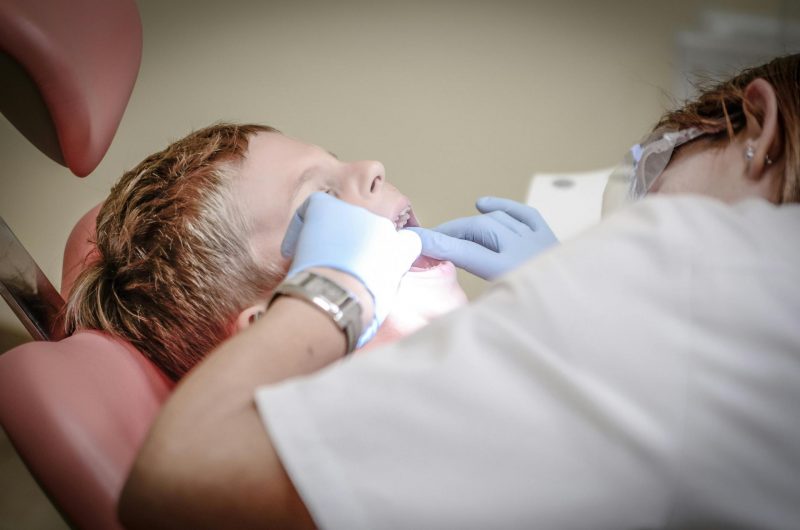
Image Credit: Pixabay
Tags
Balancing Lifesaving Antibiotics and Resistance Risks in Africa's Fight Against Child Mortality
Oct 25, 2025
In parts of sub-Saharan Africa, child mortality remains alarmingly high—roughly one in ten children does not survive past the age of five. The main drivers include unsafe drinking water, malnutrition,…
A new study published in the Proceedings of the National Academy of Sciences (PNAS) reveals that early life experiences significantly influence the development of white matter in the brain, which…

Australia is set to ban children under 16 from using numerous social media platforms in a year. Similar bans have been implemented in some countries and regions, with more contemplating…