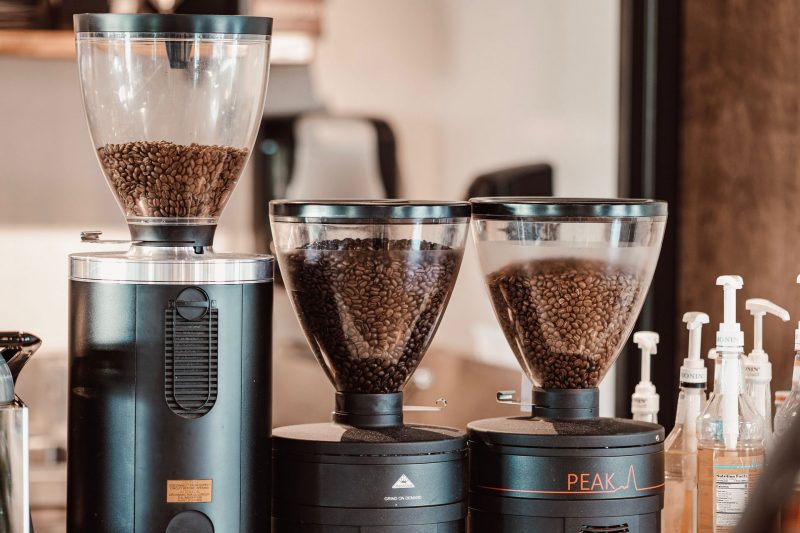
During the grinding process, coffee beans generate static electricity, which causes the formation of clumps that stick to the grinder. Recent scientific findings have revealed that coffee beans with higher moisture content produce less static electricity, resulting in less wastage and a cleaner grinding experience. This effect can be replicated by adding a small amount of water to the coffee beans before grinding them. Additionally, the research team discovered that grinding the coffee with some water contributes to a more consistent and robust flavor in espresso.
The presence of moisture, whether it is residual moisture inside the roasted coffee or external moisture added during grinding, determines the level of static charge produced during the grinding process. Water not only reduces static electricity but also has a notable impact on the strength of the beverage, potentially enhancing the flavor intensity.
These advancements in coffee extraction technology are expected to have a significant economic impact on the coffee industry, which is valued at $343.2 billion and contributes 1.5% to the U.S. gross domestic product. Consequently, increasing the concentration of dry coffee with the same level of quality by 10% to 15% can yield substantial cost savings and quality improvements.
It has long been known that ground coffee generates static electricity, but the precise factors contributing to this phenomenon and its implications for brewing were not well understood. To investigate the dynamics of static charge generation during coffee grinding, Hendon collaborated with volcanologists to study similar charging processes observed during volcanic eruptions. When magma erupts, it breaks down into numerous small particles that are subsequently expelled from the volcano. During this process, friction between the particles generates electrical charges, sometimes resulting in lightning. In essence, grinding coffee can be likened to pulverizing volcanic rocks into fine powder, similar to the process observed during volcanic eruptions.
In their study, researchers conducted measurements to assess the amount of static electricity generated when grinding various commercial and house-roasted coffee beans. These beans differed in factors such as country of origin, processing method (natural, washed, or decaffeinated), roast color, and moisture content. Additionally, the study explored the impact of grinding roughness on static electricity generation.
The findings indicated no significant correlation between static electricity and the coffee’s country of origin or processing method. However, the research did reveal associations between static electricity and moisture content, roast color, and particle size. Higher internal moisture content and rougher grinding were found to generate less static electricity. Light roasts exhibited lower charge, with a tendency towards positive charge, while darker, drier roasts demonstrated negative charge and produced more static electricity. Furthermore, the study demonstrated that darker roasts resulted in finer coffee particles compared to lighter roasts under identical conditions.
Subsequently, the team investigated the impact of grinding with water on espresso extraction. They compared beans ground with or without water and observed that water-assisted grinding resulted in a longer extraction time and a stronger brew. This method of adding water to the grind also improved the consistency of the taste profile, addressing a significant challenge faced by baristas and mass coffee production.
Although the study focused on espresso, the researchers believe that the benefits apply to various other coffee types. The main advantage of incorporating water during the grinding process is the production of a denser, more uniform coffee due to less clumping. While this technique has the most noticeable impact on espresso, it is especially useful when water is poured over the coffee or when using similar brewing methods like a Piloti pot. Its effect on other methods, such as a French press, where the coffee is immersed in water, is relatively minor.
With the knowledge of the optimal grind settings for consistent espresso, Hendon suggests exploring the factors that affect the sensory variations in coffee taste. The researchers now plan to delve deeper into investigating the art of brewing the perfect cup of coffee.
Water-Infused Grinding Coffee, Better Flavor and Less Static
Tags
A new study has uncovered the chemical basis behind the unique flavor of civet coffee—beans that pass through the digestive system of the Asian palm civet (Paradoxurus hermaphroditus). Published in…

A recent study from the Friedman School of Nutrition Science and Policy at Tufts University suggests that drinking 1 to 2 cups of caffeinated coffee per day may lower the…

Kaffa Roastery, the third largest coffee roaster in Finland, has partnered with local artificial intelligence (AI) consulting company Elev to create a unique coffee blend named "AI Cone" using AI…
Starbucks China Collaborates with Disney to Launch Alice in Wonderland-themed Drinks and Merchandise
Starbucks China, the Chinese branch of the renowned US coffee chain giant, has unveiled an exciting collaboration with The Walt Disney Company, offering new beverages and merchandise inspired by the…

1. Lychee Consuming lychees on an empty stomach can potentially lead to acute neurological conditions, potentially triggering hypoglycemia and epilepsy in some individuals. The caution is particularly relevant for sensitive individuals,…