A new study has uncovered the chemical basis behind the unique flavor of civet coffee—beans that pass through the digestive system of the Asian palm civet (Paradoxurus hermaphroditus). Published in Scientific Reports, the research provides a scientific explanation for the distinct taste and high market value of this rare beverage.
Researchers compared Robusta coffee beans from India's Kodagu region with beans excreted after digestion by civets. They found significant changes in key chemical compounds: the digested beans showed higher fat content and increased levels of flavor-related substances such as methyl octanoate and methyl decanoate.
Fats play a vital role in shaping coffee aroma and mouthfeel. The specific fatty acids detected may contribute to a smoother, creamier taste reminiscent of dairy. Meanwhile, protein and caffeine levels were lower in the civet-processed beans, offering a chemical explanation for their milder bitterness and richer flavor compared with regular coffee.
The Asian palm civet, native to Southeast Asia, naturally feeds on ripe coffee cherries. During digestion, the fruit pulp is absorbed while the seeds (coffee beans) pass through the animal and are collected from its feces. This rare natural fermentation process helps explain why civet coffee can command prices of $600 to $1,300 per pound.
The researchers caution, however, that their findings are based on unroasted Robusta beans, while roasting itself can further alter coffee chemistry. They also note that many commercial civet coffee products use Arabica beans, which differ chemically from the Robusta beans analyzed in this study.
Science Reveals the Chemistry Behind the World's Most Expensive Coffee

Tags
A recent study from the Friedman School of Nutrition Science and Policy at Tufts University suggests that drinking 1 to 2 cups of caffeinated coffee per day may lower the…

Kaffa Roastery, the third largest coffee roaster in Finland, has partnered with local artificial intelligence (AI) consulting company Elev to create a unique coffee blend named "AI Cone" using AI…
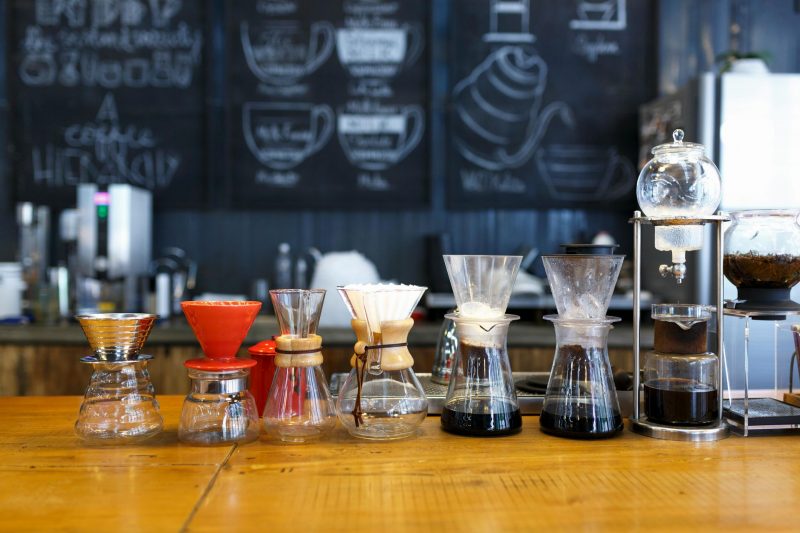
Starbucks China Collaborates with Disney to Launch Alice in Wonderland-themed Drinks and Merchandise
Starbucks China, the Chinese branch of the renowned US coffee chain giant, has unveiled an exciting collaboration with The Walt Disney Company, offering new beverages and merchandise inspired by the…

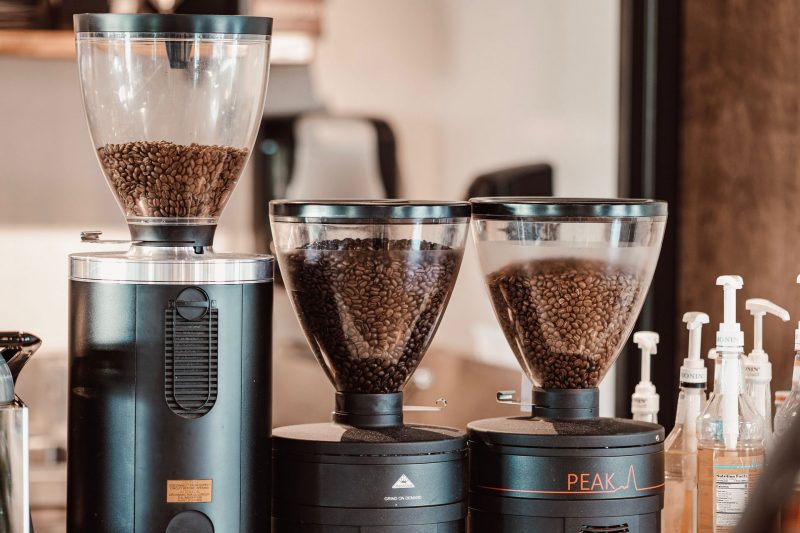
During the grinding process, coffee beans generate static electricity, which causes the formation of clumps that stick to the grinder. Recent scientific findings have revealed that coffee beans with higher…
1. Lychee Consuming lychees on an empty stomach can potentially lead to acute neurological conditions, potentially triggering hypoglycemia and epilepsy in some individuals. The caution is particularly relevant for sensitive individuals,…