1. Lychee
Consuming lychees on an empty stomach can potentially lead to acute neurological conditions, potentially triggering hypoglycemia and epilepsy in some individuals. The caution is particularly relevant for sensitive individuals, including children, the elderly, and those prone to hypoglycemia.
See 3 Suggestions for Safely and Healthily Consuming Litchi Fruit.
2. Sweet potatoe
Individuals who experience hyperacidity, gastric ulcers, or frequently suffer from abdominal distension and diarrhea should avoid consuming sweet potatoes on an empty stomach. It is because consuming a large quantity of sweet potatoes without any food in the stomach can potentially stimulate excessive gastric acid secretion, leading to acid reflux, heartburn, and exacerbation of stomach discomfort symptoms.
However, healthy people don't need to worry too much and can consume sweet potatoes in moderation without significant concerns.
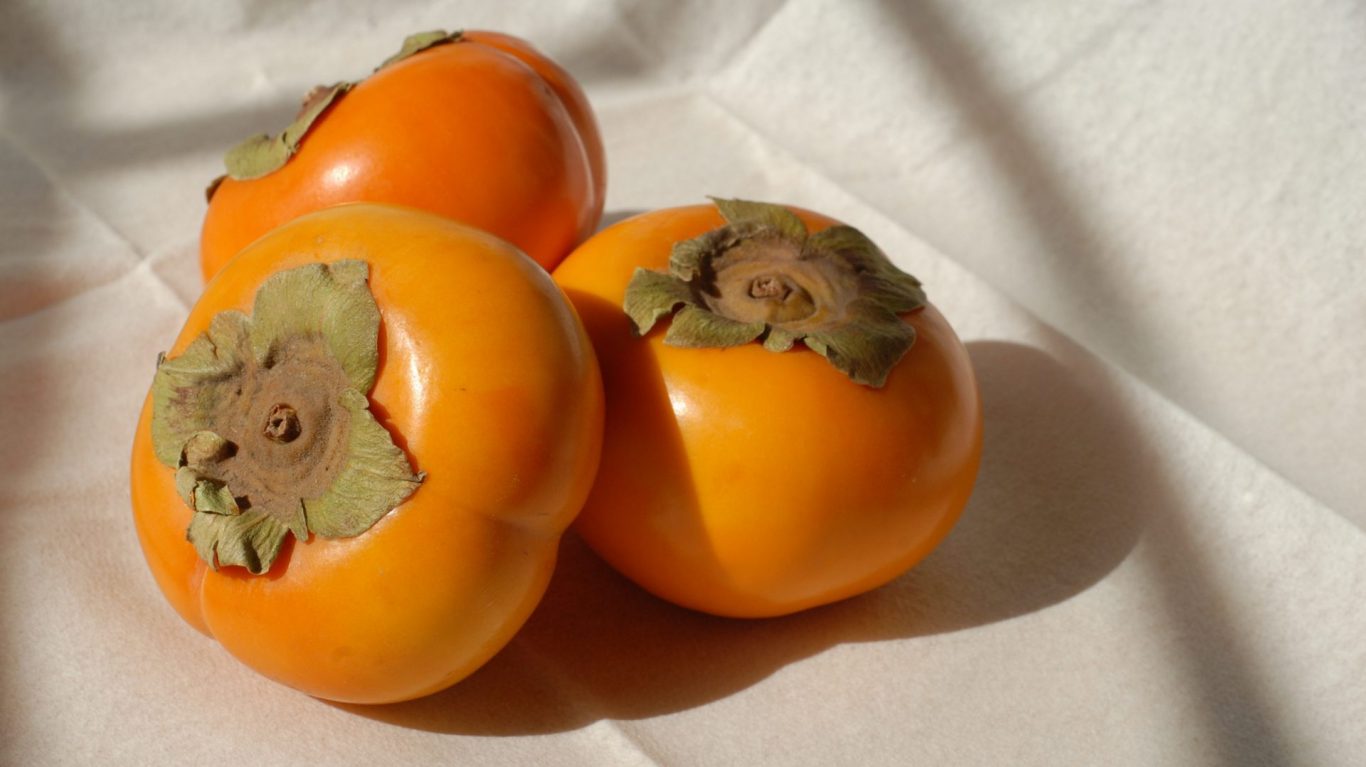 Image Credit: lhadlock50
3. Persimmon
Consuming persimmons that are high in tannins on an empty stomach can potentially result in the formation of stomach stones because of the interaction between stomach acid and tannins. It is worth noting that a significant number of individuals with stomach stones also happen to have peptic ulcers.
4. Hawthorn
Similar to persimmons, foods such as hawthorn and black dates are also abundant in tannic acid and pectin. When consumed on an empty stomach, those substances can combine with proteins in the presence of gastric acid, resulting in the formation of water-insoluble precipitates. Over time, these precipitates can solidify into stones, potentially causing harm to the stomach.
5. Pepper
In order to reduce the potential stimulation of pepper on the gastric mucosa, it is recommended to avoid consuming pepper on an empty stomach. Furthermore, it is important to refrain from consuming iced foods immediately after consuming pepper, as the combination of hot and cold temperatures can potentially harm the blood vessels in the gastrointestinal tract.
6. Cold food
If you are experiencing stomach discomfort, indigestion, or other related issues, it is advisable to avoid consuming cold food on an empty stomach. Eating an excessive amount of cold food without any prior intake can stimulate gastrointestinal contractions and potentially lead to symptoms such as stomach pain and diarrhea. It is recommended to consume food at a moderate temperature and avoid excessive intake of cold items when your stomach is empty, especially if you are already experiencing digestive problems.
7. Wine
Consuming alcohol on an empty stomach can have adverse effects on the body. It can easily irritate the gastric mucosa, leading to conditions such as gastritis and gastric ulcers. Furthermore, drinking alcohol without having eaten can increase the likelihood of getting drunk more quickly.
8. Vinegar
Vinegar contains high levels of organic acids that can stimulate the secretion of digestive juices by the digestive organs, potentially exacerbating stomach issues.
Fruit vinegar, being a type of vinegar, also contains acetic acid that can irritate the gastric mucosa. Therefore, it is not advisable to consume vinegar, including fruit vinegar, on an empty stomach. The potential irritation and stimulation caused by acetic acid make it more suitable to consume vinegar in conjunction with a meal rather than on an empty stomach.
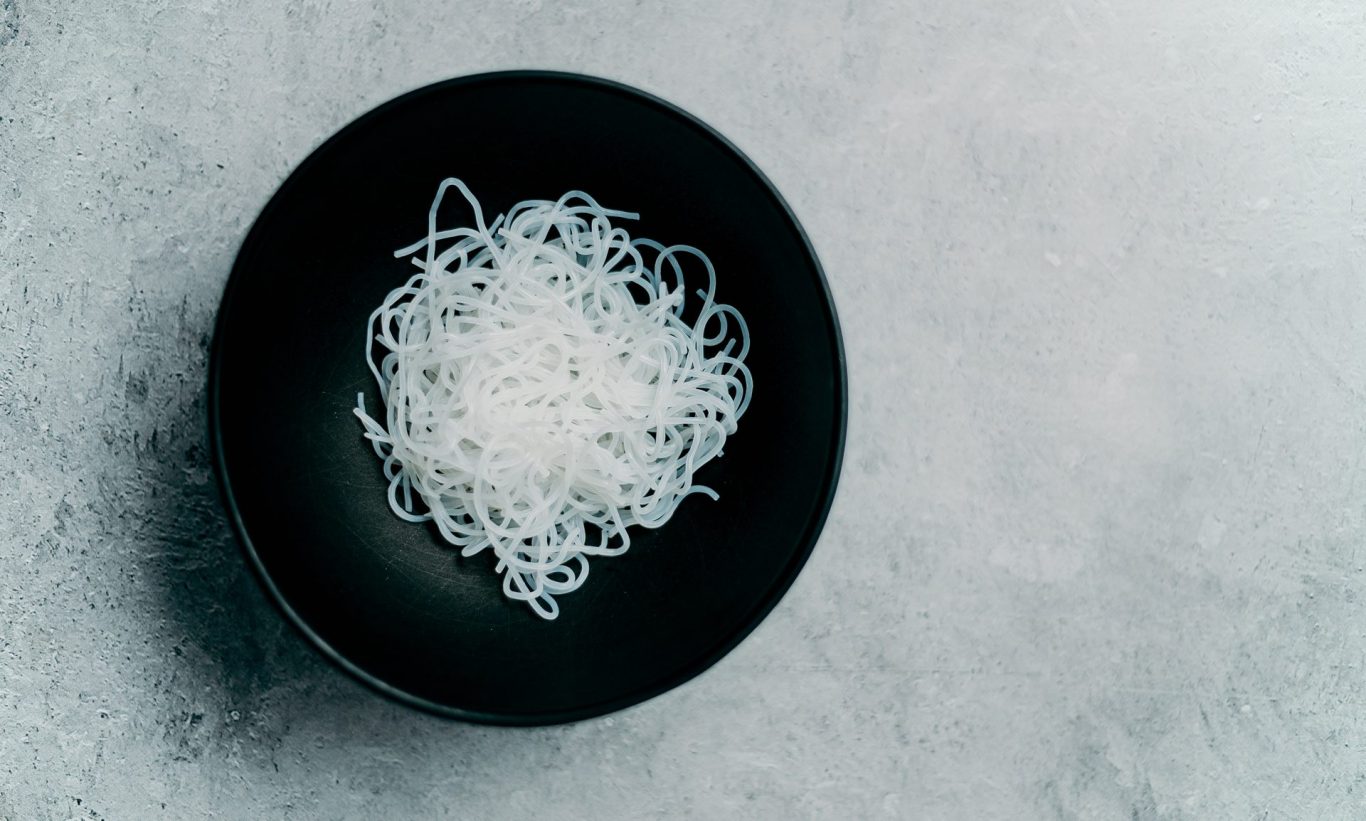 Image Credit: cottonbro studio
9. Vermicelli
Vermicelli, primarily made from starch, which is essentially sugar, can have certain effects when consumed in large quantities on an empty stomach or while feeling hungry. The high sugar content can stimulate the secretion of gastric acid, potentially leading to mild symptoms such as acid reflux and bloating.
10. Coffee and tea
Coffee and tea, like the aforementioned foods, should also be avoided on an empty stomach. Consuming coffee or tea without having eaten anything can have negative effects on the digestive system. The high caffeine content in coffee and tea can stimulate the production of gastric acid, potentially leading to acid reflux, heartburn, and discomfort.
11 Foods and Beverages to Avoid on an Empty Stomach for Digestive Health

Tags
A new study has uncovered the chemical basis behind the unique flavor of civet coffee—beans that pass through the digestive system of the Asian palm civet (Paradoxurus hermaphroditus). Published in…

Researchers at Columbia University have discovered a key brain region in mice that functions like a "food switch". The area is known as the bed nucleus of the stria terminalis…

A study published in Nature Medicine by researchers at University College London suggests that ultra-processed foods (UPFs) can impair weight loss even when consumed in line with national dietary recommendations.…
Over 10 million years ago, ancient African apes gained extra nutrition by eating fallen, fermented fruit—a behavior that may have laid the evolutionary foundation for humans' alcohol tolerance. A recent…

A recent study from the Friedman School of Nutrition Science and Policy at Tufts University suggests that drinking 1 to 2 cups of caffeinated coffee per day may lower the…

Over 80 exhibitors are showcasing more than 1,000 products — including Japanese sake, plum wine, and beer — at the ongoing Japan Sake Month, the largest Japanese sake trade fair…