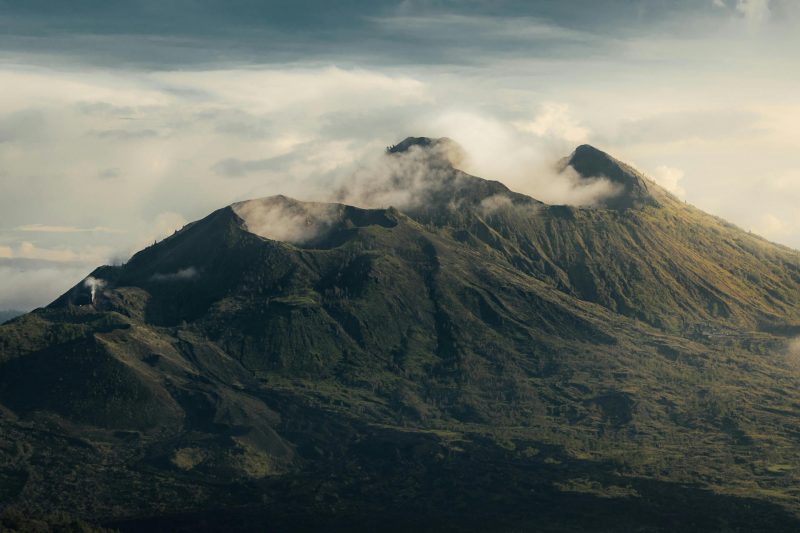
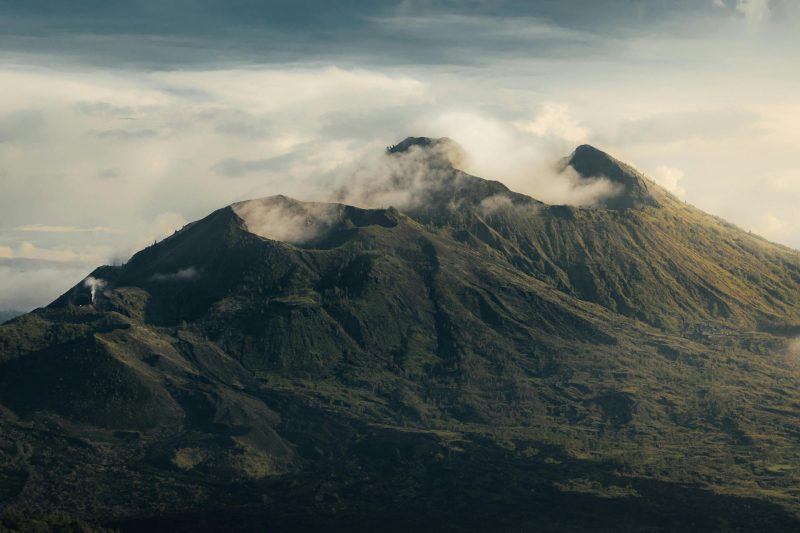
Phosphorus is essential for all life forms, from microorganisms to primates, as it is a crucial component of DNA, RNA, adenosine triphosphate (ATP), and cell membrane lipids. However, phosphorus is scarce in most aquatic environments, which are believed to be the cradle of life. Recent studies in three newly published papers support the idea that highly alkaline "soda" lakes and volcanic activity around hot springs may have enabled the accumulation of phosphorus compounds to levels necessary for life's emergence.
The availability of phosphorus has long been considered a bottleneck for life's origin, a notion dating back to 1955. During the early Earth's history, volcanic activity was frequent, and phosphorus was present in volcanic lava. A research team from Rensselaer Polytechnic Institute reported in a September 2024 study that iron-rich volcanic rock reacts with water at high temperatures, transforming phosphorus into various phosphates. If phosphate-rich water periodically evaporates, it could concentrate these compounds, fostering biochemical reactions essential for life.
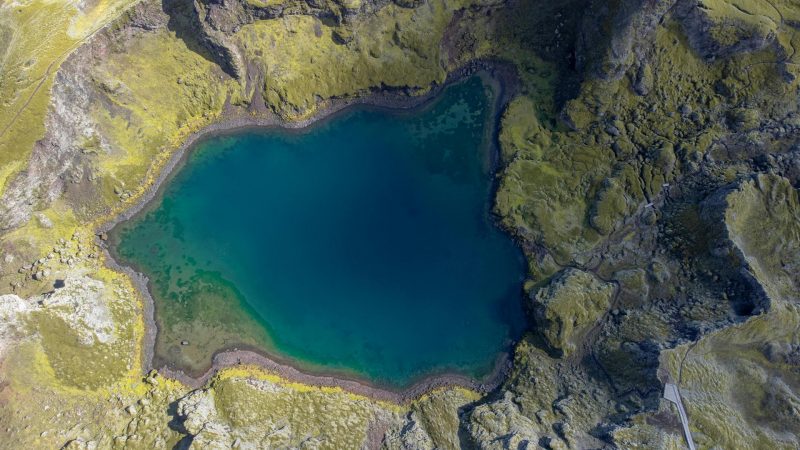
In 2019, a research team from the University of Washington proposed that soda lakes might also serve as natural phosphorus concentrators. These lakes, formed in volcanic environments, enhance chemical accumulation through evaporation. Their study found that soda lakes typically contain high levels of phosphate because carbonate ions bind with calcium ions, preventing phosphorus from being trapped in sediments.
Meanwhile, a research team from the University of Cambridge suggested that while small soda lakes could provide only temporary conditions for early life, larger soda lakes—such as Mono Lake in California—offered a more stable phosphate supply. Although their phosphate concentrations were lower than those of smaller lakes, large soda lakes provided more sustained conditions favorable for the emergence of life.
Volcanic Soda Lakes May Have Provided Key Phosphorus for Life's Origin
Tags
Earth's climate has swung dramatically between extremes of ice and heat throughout its history. In fact, for much of geological time, Earth has been a warm, ice-free planet. During the Cretaceous…
Core Leak? Study Suggests Earth's Core Material May Be Reaching the Surface via Volcanoes
A groundbreaking study from the University of Göttingen challenges long-held assumptions about Earth's internal structure, suggesting that material from the planet's core may be leaking to the surface through volcanic…
Managing Underground Pressure May Prevent Volcanic Unrest in Southern Italy, Study Finds
Frequent earthquakes in Italy's Campi Flegrei volcanic region since 2022 have raised safety concerns for hundreds of thousands of residents, particularly around Naples. A new study led by researchers at…
For decades, scientists have debated whether the mass extinction of dinosaurs was caused solely by the Chicxulub meteorite impact or if massive volcanic eruptions also played a significant role. Approximately 66…
In the summer of 1831, severe weather and persistent cold waves triggered crop failures and famine in India and Japan. For years, scientists have speculated that these events were linked…