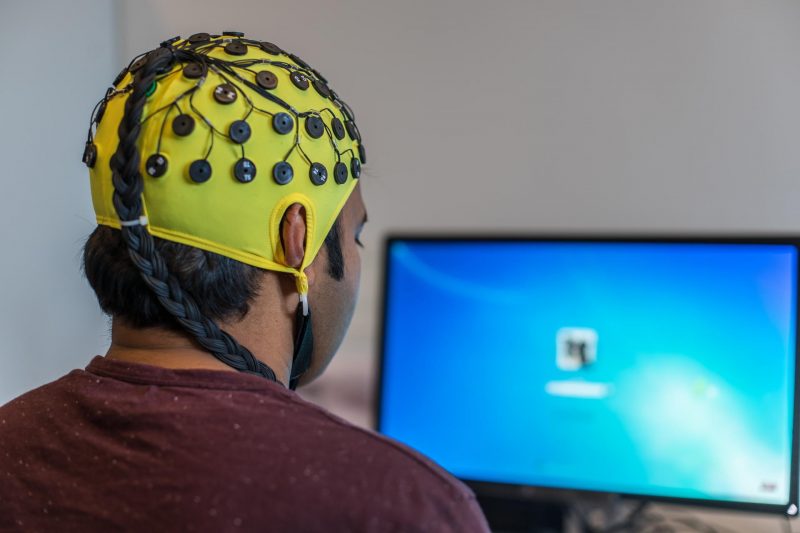
The rapid advancement of neurotechnology is driving breakthroughs across healthcare, education, and entertainment. Brain implants have enabled stroke patients to regain speech, while non-invasive devices—such as wearable brain-computer interfaces—are becoming increasingly widespread. However, the expanding use of such technologies has raised significant concerns around privacy, security, and ethics.
In response, the United Nations Educational, Scientific and Cultural Organization (UNESCO) recently convened to draft a set of ethical guidelines aimed at safeguarding human rights, including freedom of thought, autonomy, and data privacy. The guidelines call on technology developers—such as Neuralink and similar companies—to clearly disclose how neural data is collected and used, and to ensure the long-term safety of their products. While the framework is not legally binding, 194 member states will vote in November on whether to adopt it.
Currently, implanted brain-computer devices are regulated in jurisdictions like the United States and the European Union. However, consumer-grade neurotechnology used for non-medical purposes—such as in education or entertainment—remains largely unregulated. Experts warn that such devices could be misused: for instance, by monitoring students' brainwaves to assess performance, potentially deepening educational inequality, or by employing neuromarketing techniques to manipulate consumer behavior. Even more concerning, some devices may collect neural data without users' awareness—such as during sleep—raising alarms about violations of “mental privacy.”
To address these risks, the guidelines emphasize the importance of informed consent and the right for users to opt out at any time. Nonetheless, debate continues over whether neural data, while personal, might also reveal sensitive information about groups sharing similar neurological patterns.
UNESCO Proposes Ethical Guidelines for Neurotechnology Amid Privacy and Human Rights Concerns
Tags
A study published in Nature has uncovered a new mechanism for how the brain stores emotional memories—one that centers not on neurons, but on astrocytes, the star-shaped glial cells once…

Breakthrough in Optical Control of Ferroaxial Materials Paves Way for Next-Generation Data Storage
In today's digital world, information storage relies on binary code, where any physical system with two stable states can serve as a data carrier. Ferroic materials—such as ferromagnetic and ferroelectric…

When people experience striking events, not only do those moments become etched in memory, but even seemingly ordinary experiences that occurred shortly before can become unusually vivid. The neural mechanism…

People with attention-deficit/hyperactivity disorder (ADHD) may possess an often-overlooked strength: excessive curiosity. While typically associated with distractibility and hyperactivity, this trait is also closely linked to creativity, adaptability, and a…

Are colors perceived the same way by everyone? A new neuroscience study suggests that, at least on the neural level, the answer may be yes. The question of whether color perception…

A new type of hollow-core optical fiber could dramatically enhance both data capacity and transmission distance in a single strand, paving the way for faster and more efficient telecommunications networks.…