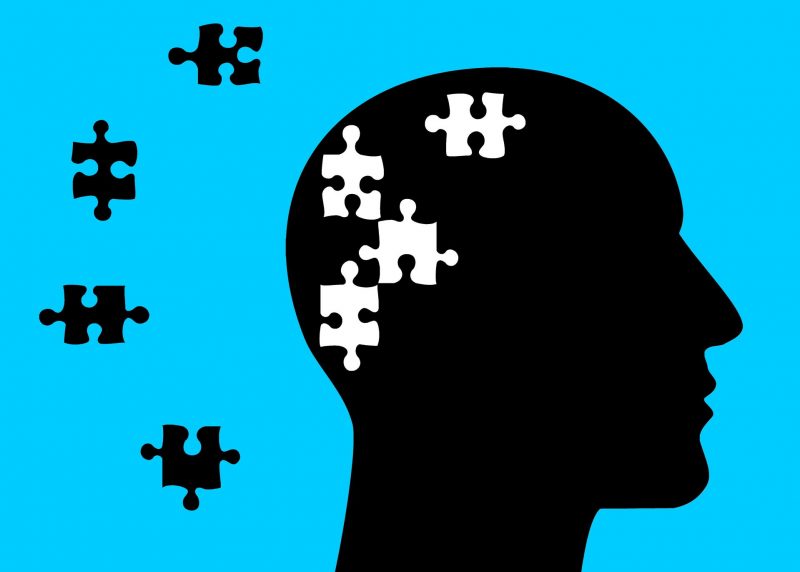
When people experience striking events, not only do those moments become etched in memory, but even seemingly ordinary experiences that occurred shortly before can become unusually vivid. The neural mechanism behind this effect has been further clarified in a new study published in Science Advances, which supports the "tag-and-capture" theory of memory consolidation.
According to this theory, everyday experiences leave temporary chemical "tags" on neurons. If a highly emotional or significant event occurs soon after, it triggers a burst of protein synthesis in the hippocampus and related brain regions. The earlier tags can then "capture" these newly synthesized proteins, transforming otherwise weak and fleeting memories into more lasting ones, bound together with the stronger emotional memory.
To test this mechanism, a team at Boston University designed an experiment in which participants viewed images of animals and everyday tools. Later, they were asked to classify the images to earn rewards of varying value (high reward: 900 points; low reward: 1 point).
The results showed that the emotional value of rewards retroactively enhanced memory. For instance, participants who later received high rewards after animal images recalled those animals with about 5% greater accuracy. However, the same effect did not apply to the tool images.
The study provides direct evidence for selective memory consolidation. It suggests that the brain assigns meaning to earlier ordinary experiences by linking them to subsequent important events, making them more memorable. In the future, this principle could inform therapeutic approaches—such as strengthening everyday memories before trauma to ease distress—or guide teaching strategies, where novel and engaging activities might boost students' information retention.
Emotional Events Can Strengthen Earlier Ordinary Memories

Tags
A study published in Nature has uncovered a new mechanism for how the brain stores emotional memories—one that centers not on neurons, but on astrocytes, the star-shaped glial cells once…
People with attention-deficit/hyperactivity disorder (ADHD) may possess an often-overlooked strength: excessive curiosity. While typically associated with distractibility and hyperactivity, this trait is also closely linked to creativity, adaptability, and a…

Are colors perceived the same way by everyone? A new neuroscience study suggests that, at least on the neural level, the answer may be yes. The question of whether color perception…

For decades, neuroscientists believed that when a person loses a limb, the brain's corresponding sensory region would be “taken over” by neighboring body parts—a process known as cortical reorganization. However,…
Researchers from the University of California, Los Angeles, and Columbia University have discovered that neurons in the brainstem's locus coeruleus act like a “memory reset button”, segmenting continuous experiences into…