The prospect of hydrogen-powered flight is bringing us closer to a future of carbon-neutral travel. Advancements in technology are rapidly progressing towards making this a reality. A recent study conducted by Chalmers University of Technology in Sweden suggests that by 2045, hydrogen-powered aircraft could be used for nearly all air travel within a 750-mile radius. Furthermore, the development of a new type of heat exchanger could extend the range even further.
The study utilized existing aircraft models that were adapted for hydrogen power, assuming a maximum flight range of 750 miles. One key aspect of the research focused on a new fuel tank design capable of storing sufficient fuel while being lightweight and well-insulated to accommodate super-cold liquid hydrogen, outperforming current fossil fuel tank systems.
Heat exchangers play a crucial role in hydrogen aviation and technological advancements. To minimize the weight of the fuel system, hydrogen must be maintained in liquid form. This necessitates extremely low temperatures, typically around -250 degrees Celsius, for hydrogen storage in aircraft. Heat exchangers enhance efficiency by recovering heat from the hot exhaust of jet engines and strategically cooling the engines. The transfer of heat between the supercooled hydrogen and the engine requires the development of new types of heat exchangers.
Addressing this challenge, researchers have dedicated several years to developing a revolutionary heat exchanger technology, which is currently pending patent approval. This innovative system leverages the low storage temperature of hydrogen to cool engine components. Subsequently, it utilizes waste heat from the exhaust gases to preheat the fuel by several hundred degrees before injecting it into the combustion chamber.
The researchers also emphasize that with further optimization, this groundbreaking heat exchanger technology could potentially provide up to a 10% increase in range for an average Airbus A320 commercial aircraft, equivalent to covering a route like Gothenburg to Berlin (approximately 450 miles).
The Potential of Hydrogen-Powered Flight for Fossil-Free Travel

Tags
Astronomers studying the unusual supernova SN2021yfj have gained rare insights into the internal structure of a massive star, challenging conventional theories of stellar death. The discovery, led by an international…

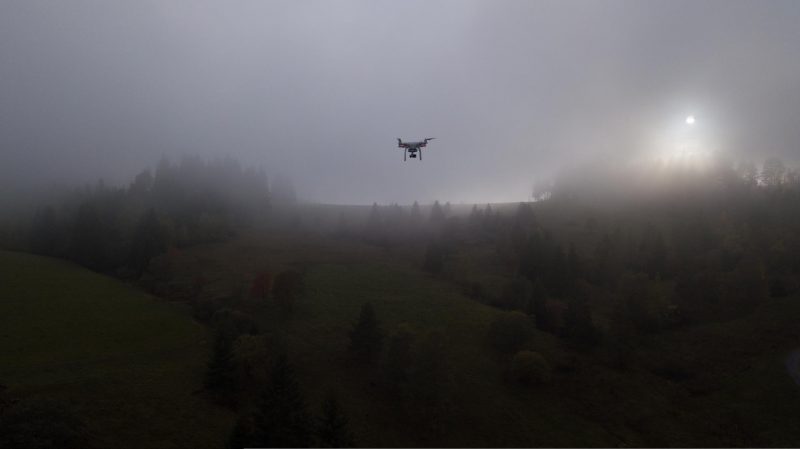
HKU Engineers Develop Autonomous Drone “SUPER” That Navigates Without GPS at High Speeds
A research team from the Department of Mechanical Engineering at the University of Hong Kong has developed an advanced autonomous drone named “SUPER,” capable of flying at 45 miles per…
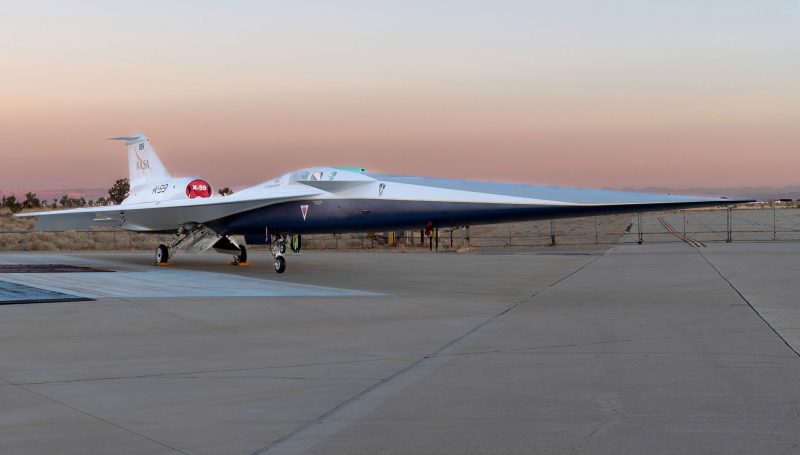
NASA has recently completed ground engine performance tests for the X-59 Quiet Supersonic Technology (QueSST) demonstrator—a key step toward mitigating the disruptive sonic booms produced by supersonic aircraft. In collaboration…
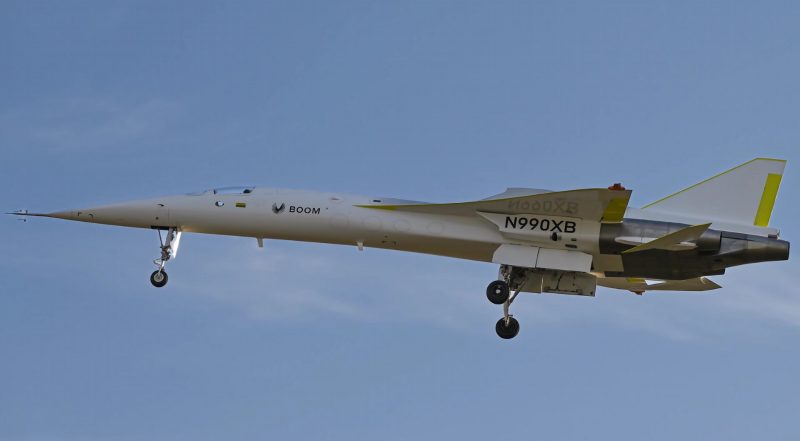
Nearly ten months after completing its first subsonic flight in March last year, Boom Supersonic's prototype test aircraft, XB-1, successfully broke the sound barrier three times during its 12th test…
Bats, the sole mammals capable of flight, owe this remarkable ability to their specialized limb morphology. Despite their unique flying prowess, the evolutionary journey that led to this skill remains…