Bats, the sole mammals capable of flight, owe this remarkable ability to their specialized limb morphology. Despite their unique flying prowess, the evolutionary journey that led to this skill remains shrouded in mystery due to the limited fossil evidence available. Addressing this enigma, a collaborative team of researchers from the University of Washington, the University of Texas at Austin, and the Oregon Institute of Technology embarked on a comprehensive study.
Employing a phylogenetic comparative analysis, the researchers delved into the evolutionary shift from gliding to powered flight in these extraordinary creatures, shedding new light on the origins of bat flight by confirming the theory that bats descended from gliding predecessors. Their groundbreaking findings have been recently unveiled in the esteemed journal PeerJ Life & Environment.
By scrutinizing a vast dataset encompassing limb bone metrics of four extinct bats alongside 231 extant mammals exhibiting diverse locomotion patterns, the study unearthed intriguing revelations. The analysis revealed that gliding species typically feature elongated forelimbs and slender hindlimb bones, positioning them intermediary to bats and non-gliding arboreal mammals. Evolutionary models constructed from this data bolster the notion that specific forelimb characteristics in bats underwent strong selective pressure, propelling them through the realms of gliding to achieve flight prowess.
Beyond affirming the transition from gliding to flight in bats, this research challenges conventional wisdom concerning limb evolution among bats and gliding mammals. The researchers stress the imperative of future investigations aimed at validating the biomechanical implications of these bone structures, while considering the intricate interplay of genetic and ecological factors that influenced the evolution of powered flight in bats.
Tags
Why do bats frequently collide with wind turbines? A new scientific study points to visual misperception as a key factor. While the impact of turbines on birds has long been…

HKU Engineers Develop Autonomous Drone “SUPER” That Navigates Without GPS at High Speeds
A research team from the Department of Mechanical Engineering at the University of Hong Kong has developed an advanced autonomous drone named “SUPER,” capable of flying at 45 miles per…
Bats are natural reservoirs for several highly pathogenic viruses, including coronaviruses related to Middle East Respiratory Syndrome (MERS) and Severe Acute Respiratory Syndrome (SARS), as well as Marburg and Nipah…
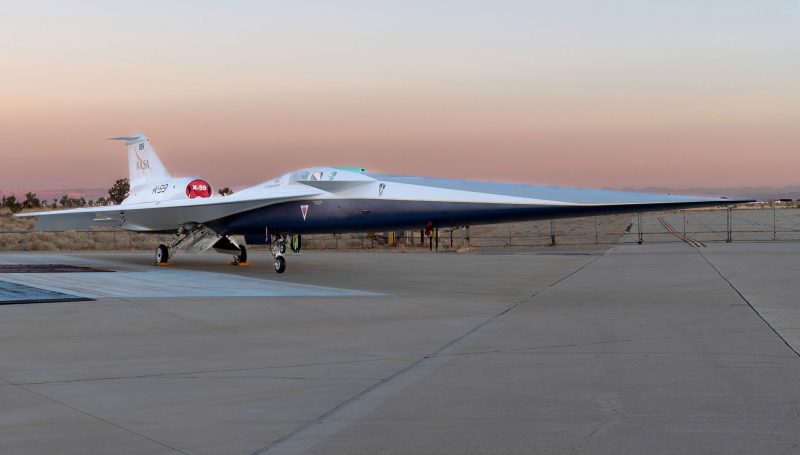
NASA has recently completed ground engine performance tests for the X-59 Quiet Supersonic Technology (QueSST) demonstrator—a key step toward mitigating the disruptive sonic booms produced by supersonic aircraft. In collaboration…
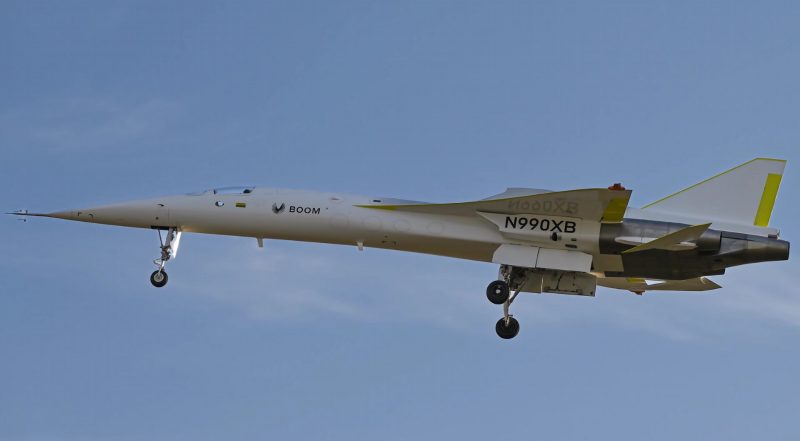
Nearly ten months after completing its first subsonic flight in March last year, Boom Supersonic's prototype test aircraft, XB-1, successfully broke the sound barrier three times during its 12th test…
The Marburg virus outbreak in Rwanda last month has resulted in 63 confirmed cases and 15 deaths. Preliminary genomic evidence suggests that this outbreak originated from a pathogen jumping from…