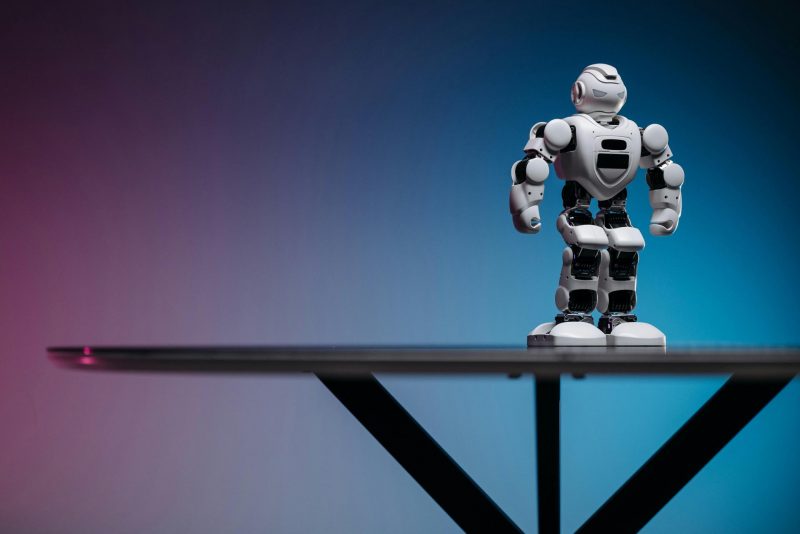
According to a source familiar with the matter, Tesla and Baidu have received approval from Chinese regulators for their advanced driver-assistance map, which they developed together. The Ministry of Natural Resources recently approved several Baidu digital map products, including the advanced driver-assistance map project with Tesla. The collaboration between the two companies is exclusive and highly customized.
In a report by Bloomberg News, it was revealed that Tesla, based in California, will launch its Full Self Driving (FSD) system in China using Baidu's navigation and mapping services. This news, along with Chief Executive Officer Elon Musk's unexpected visit to China, where he met with Premier Li Qiang, led to a surge in Tesla's stock price. Tesla's shares closed 15.3 percent higher at USD194.05 in New York, while Baidu's shares ended up 5.6 percent at USD106.17.
Earlier this month, Musk responded to a query on X platform about the timeline for launching Tesla's FSD system in China, stating that it would happen "very soon."
Tesla's efforts to launch the FSD system in the largest auto market in the world are driven by the growth bottleneck it has encountered. In the first quarter of this year, Tesla experienced an 8.5 percent decline in global sales compared to the previous year, amounting to 386,810 vehicles. This drop marked the first decline in four years. In China specifically, sales fell by 3.6 percent to 132,000 vehicles.
On the day of Musk's surprise visit, the China Association of Automobile Manufacturers announced that Tesla's China-made Model 3 and Model Y had passed its data security review, making it the first foreign automaker to clear the test. This achievement brings Tesla a step closer to launching the FSD system in the country.
Furthermore, seventy-six vehicle models from Tesla, BYD, Li Auto, Lotus Cars, Hozon New Energy Automobile, and Nio have successfully passed the test for various data privacy and security measures, including the anonymization of external facial information, default non-collection of cockpit data, in-vehicle processing of cockpit data, and prominent notification for handling personal information.
To meet China's data security requirements, Tesla constructed a data center at its Shanghai Gigafactory in 2021 for local information storage.
Tesla and Baidu Secure Approval for Jointly Developed Driver-Assistance Map in China
Tags
US-based biotech company Advanced Aesthetic Technologies (AAT) has introduced its agarose-based facial filler, Algeness VL, to China's fast-expanding medical aesthetics market, marking a new milestone in facial contouring and reconstruction…

The World Bank has revised upward its forecast for China's economy, now expecting GDP growth of 4.8% in 2025 and 4.2% in 2026, compared with its April projection of 4.0%…

China, the United States' third-largest creditor, reduced its holdings of US Treasury securities in July to the lowest level since 2009, according to the latest data. The country trimmed its US…
Despite ongoing U.S. export restrictions on advanced computing chips, China has emerged as the global leader in artificial intelligence (AI) research, according to a new report from the Dimensions database…

The United States has approved the resumption of aircraft component exports to China, allowing American aerospace firms, including GE Aerospace, to once again supply key parts. Boeing has also resumed…
Researchers at Carnegie Mellon University have developed “Zippy”, the world's smallest self-powered bipedal robot. Standing just 1.5 inches tall, Zippy can walk at over 0.5 miles per hour and is…