AI
With the rapid advancement of large language models, today's most sophisticated artificial intelligence (AI) systems can easily pass the classic Turing Test. This has prompted scientists to reconsider whether new…

Artificial intelligence (AI) is rapidly transforming scientific research. Once limited to analyzing data, AI systems are now able to design experiments and even generate new hypotheses. Some experts believe that,…

According to WIRED, OpenAI is preparing to launch a standalone social app built around its AI video generation model, Sora 2. The app closely mirrors the design and user experience…

Artificial intelligence (AI) is increasingly helping scientists decode how animals communicate and explore the possibility of dialogue across species. Recent studies show that species such as bonobos, chimpanzees, Japanese tits,…

Artificial intelligence (AI) is increasingly accelerating research across multiple disciplines worldwide, particularly in automating the generation of scientific hypotheses. By scanning vast amounts of literature, AI can identify research gaps…

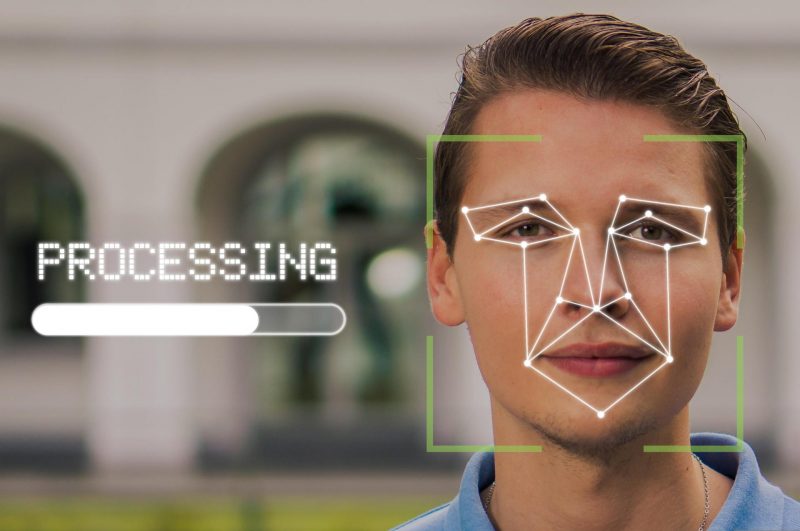
Advances in dataset optimization, computing power, and algorithms have significantly boosted the accuracy of artificial intelligence (AI)-based facial recognition, with most systems now surpassing 99% accuracy in controlled environments and…
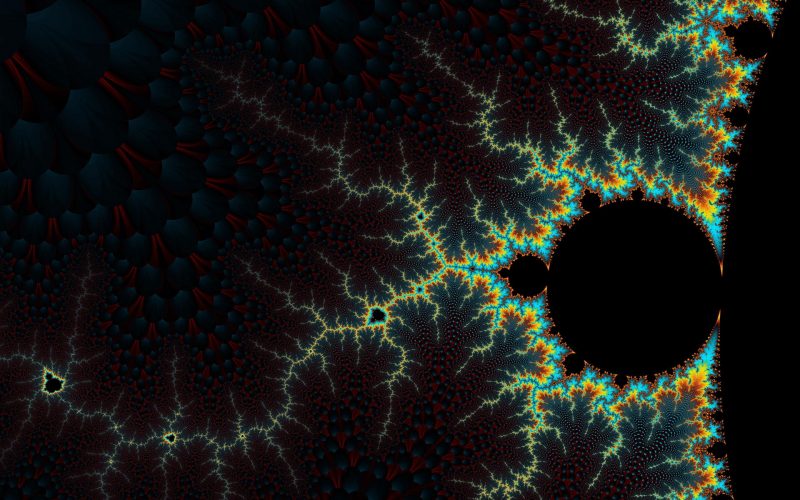
Fifty years ago, the concept of the fractal was formally introduced as a mathematical model for describing irregular, fragmented shapes, breaking free from the constraints of classical Euclidean geometry. It…
Developers are increasingly shifting toward building autonomous AI agents—systems capable of perceiving their environment and independently pursuing goal-directed actions. These agents may range from digital assistants that help users compare…

Scientists have developed an artificial intelligence-powered “GPS” navigation system to help immune cells precisely locate and attack cancer cells. This system uses custom-designed miniature proteins to guide the immune response…
Researchers at North Carolina State University have developed a new "self-driving laboratory" technology that leverages dynamic flow chemistry and real-time monitoring to boost the efficiency of materials discovery by at…