Smartphone users who are tired of dealing with scratched screens may soon find a solution. According to a global technology research and consulting firm, self-healing smartphone screens could hit the market by 2028.
CCS Insight, in its annual forecast report on the tech industry, predicts that smartphone makers will start producing phones with "self-healing" displays within the next five years.
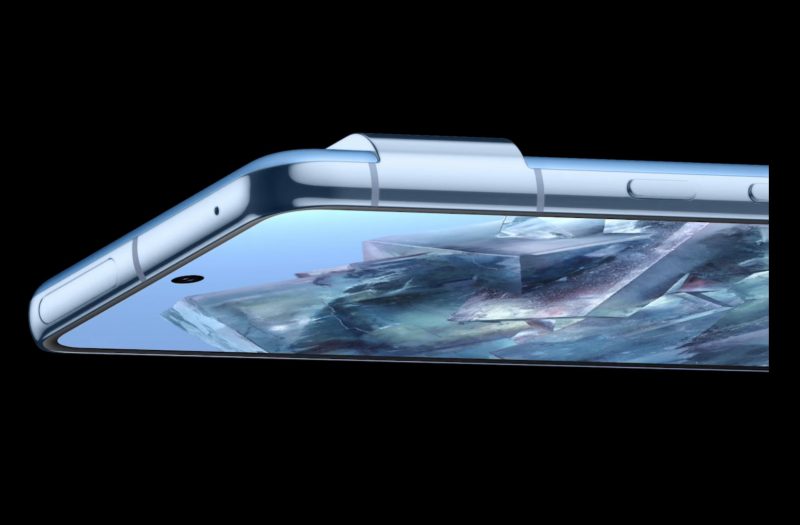
This prediction is based on a new material technology that involves adding a layer of "nano-coating" to the screen surface. The coating is made of a special material that triggers a chemical reaction when scratched and produces a new material that fills the defect when exposed to air.
Ben Wood, chief analyst at CCS Insight, emphasizes that this is not a science fiction story but a realistic possibility. However, he clarifies that the self-healing feature is primarily designed to repair surface scratches rather than magically restore a completely shattered screen. The focus is on enhancing the device's lifespan by fixing minor scratches and damages.
Wood explains, "This is a fairly radical vision, but we believe it can become a reality within the next five years. For consumers, this will be an exciting feature that improves device durability without compromising performance."
Wood humorously acknowledges concerns that some tech enthusiasts might test the self-healing abilities of these devices with knives. However, he emphasizes that self-healing technology is not intended for such purposes.
The emergence of this technology is expected to have a profound impact on the smartphone industry. Currently, consumers frequently need to replace their phone screens, resulting in resource wastage and increased costs. Smartphones equipped with self-healing screens can significantly reduce expenses and electronic waste.
However, further research and development are still necessary for this technology. Wood acknowledges that it poses a significant challenge that requires interdisciplinary collaboration and innovative material science. Nevertheless, he remains optimistic that this technology can be commercialized within the next five years.
CCS Insight's prediction is supported by ongoing efforts from various tech companies to develop self-healing screen technology. LG, the South Korean consumer electronics giant, introduced self-healing technology on its smartphones as early as 2013. Their G Flex smartphone featured a flexible curved screen and a "self-healing" coating on the back cover. However, the details of this technology and its potential applications were not fully disclosed.
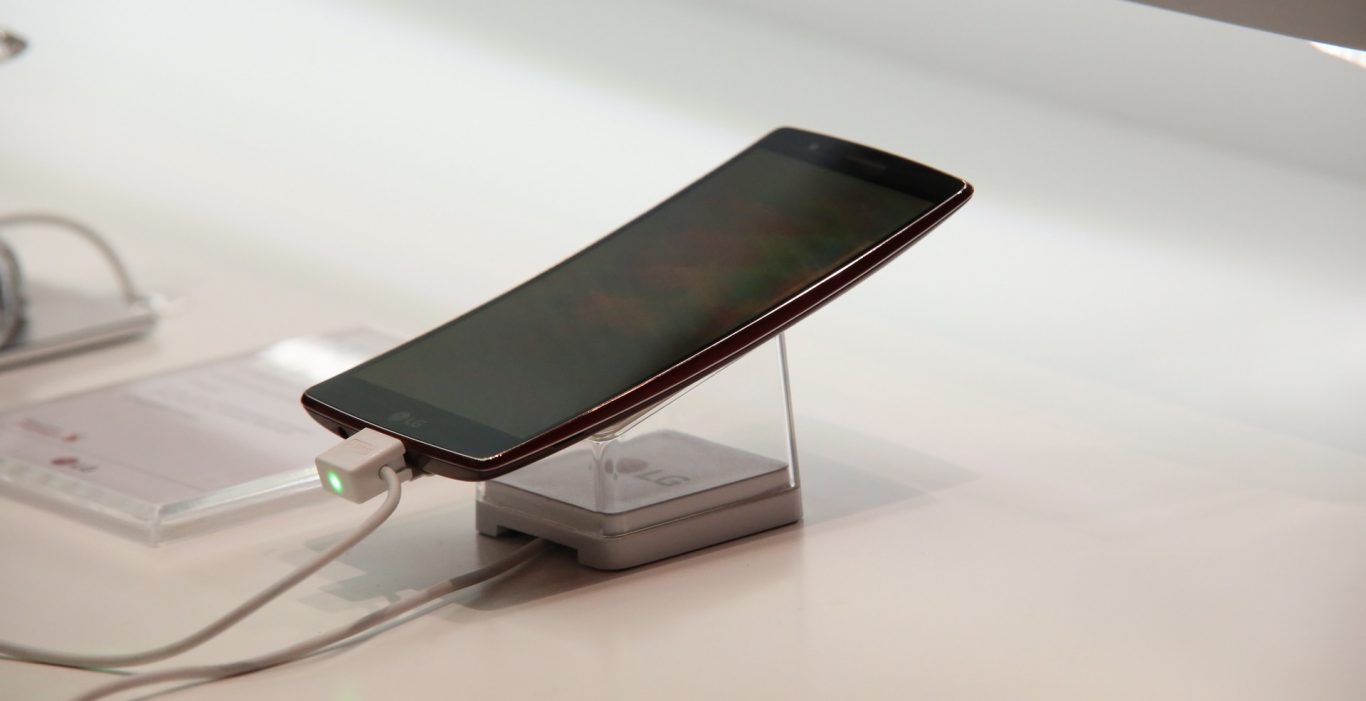 Image Credit: hawkHD
In 2017, Motorola filed a patent for a screen made of "shape memory polymer" that can self-heal when cracked. The idea behind this technology is that heating the material would facilitate the healing of cracks. According to the patent application, users would simply need to press a button on the phone, and the broken part of the screen would automatically repair itself, partially or completely restoring its original state.
Apple has also obtained a patent for a foldable iPhone with a display cover that can self-repair when damaged.
Phone manufacturers have also been exploring other innovative display technologies. For instance, at this year's Mobile World Congress in Barcelona, Motorola showcased a concept smartphone with a rollable display that can extend vertically.
Samsung has made significant advancements in advanced display technology. Their foldable phones, Galaxy Z Fold 5 and Z Flip 5, can endure hundreds of thousands of folds without compromising hinge performance or phone functionality.
Self-Healing Smartphone Screens Expected to Revolutionize the Industry in 5 Years
Tags
During summer break, teens often turn to social media and video games to cope with boredom. While parents have long focused on balancing screen time with outdoor activities, a new…
The Impact of Smartphones and Social Media on Teen Mental Health: A Controversial Debate
In recent years, adolescent mental health issues have become increasingly severe, with many blaming the widespread use of smartphones and social media. Critics argue that excessive screen time encroaches on…

A new study led by Curtin University in Australia has uncovered a breakthrough in enhancing the adhesion of more molecules to the surface of tiny nanocrystals, with the potential to…

Google's upcoming Pixel 9 and Pixel 9 Pro smartphones are set to feature significant design changes and receive two notable upgrades. Recent reports suggest that one of the upgrades will…
According to research firm Canalys, AI phones are projected to account for less than 5% of total smartphone shipments in 2024, translating to an estimated 60 million units. Analysts from…

Challenges and Potential of OLED Display Panels: A Path Towards Advancement and Market Competition
In the second quarter of 2023, global PC shipments experienced a significant decline of 13.4% compared to the previous year, according to IDC statistics. As a result, the monitor market…