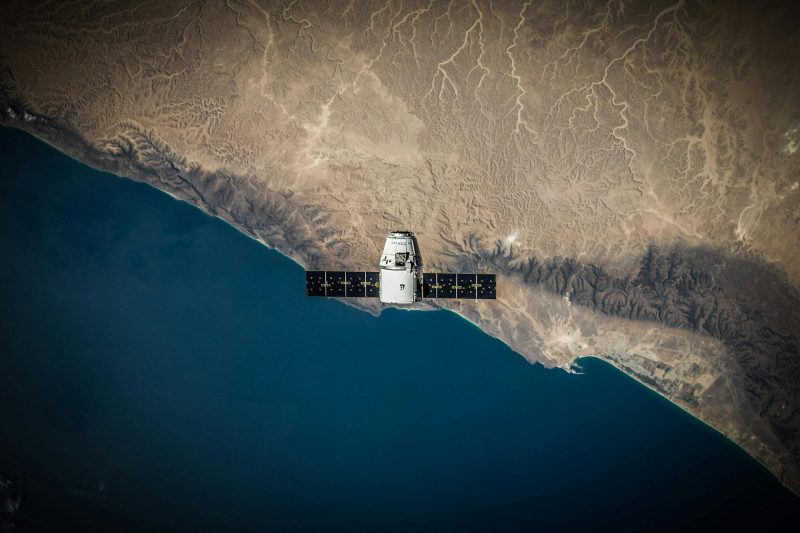
A recent study published in Geophysical Research Letters reveals a concerning increase in the release of tiny particles of aluminum oxide into Earth's atmosphere when defunct satellites re-enter and disintegrate. This rise in aluminum oxide particles has been observed to have multiplied eightfold from 2016 to 2022. With the growing number of satellites in low Earth orbit, this trend is expected to continue. The findings of the study, conducted by a team at the USC Viterbi School of Engineering, provide the first realistic estimate of the long-term contamination caused by these particles in the upper atmosphere.
The implications of this increase in aluminum oxide particles are significant for Earth's ozone layer. Aluminum oxide triggers chemical reactions that result in the destruction of stratospheric ozone, a crucial shield against harmful ultraviolet radiation. Although the oxide itself does not directly react chemically with ozone molecules, it initiates destructive reactions between ozone and chlorine, leading to ozone depletion. Disturbingly, these chemical reactions persist for decades without consuming the aluminum oxide, exacerbating the destruction of ozone molecules.
The 1987 Montreal Protocol is widely recognized for its success in controlling ozone-depleting chlorofluorocarbons and reducing the size of the ozone hole over Antarctica. While some recovery of the ozone layer was anticipated over the next half-century, the unexpected increase in aluminum oxide particles poses a threat to this progress. If left unchecked, it could impede the recovery of the ozone layer over the coming decades.
Previous studies on satellite contamination primarily focused on the consequences of launching vehicles into space, such as the release of rocket fuel. In contrast, this new study provides critical insights into the extent of long-term contamination in the upper atmosphere resulting from the disintegration of defunct satellites. By shedding light on the alarming rise in aluminum oxide particles, the research underscores the urgent need for further investigation and potential measures to mitigate their detrimental effects on Earth's ozone layer.
Rising Aluminum Oxide from Defunct Satellites Threatens Ozone Layer Recovery, Study Finds

Tags
Mountains are among the most biodiverse ecosystems on Earth, yet global environmental changes are profoundly reshaping them. Over the past 50 years, rising temperatures and shifts in land use have…

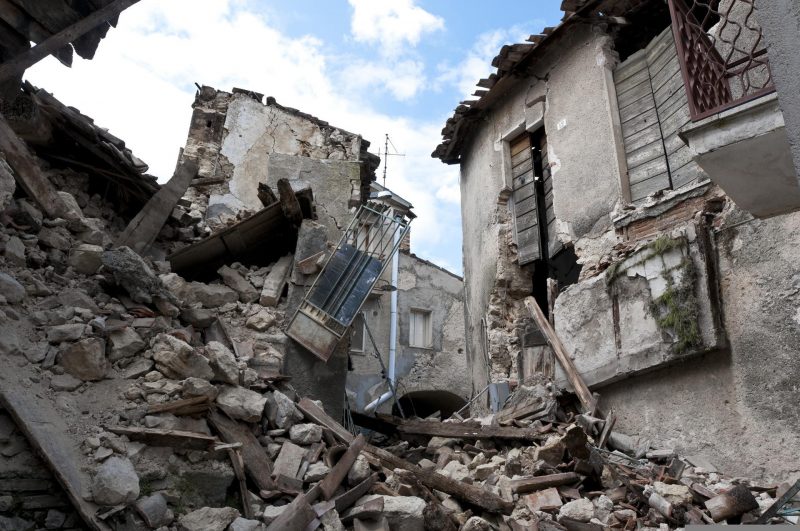
On March 28, 2025, a powerful magnitude 7.7 earthquake struck near Mandalay, Myanmar, followed by a magnitude 6.7 aftershock. Both quakes occurred along the Sagaing Fault—a major strike-slip fault running…
A team of international researchers is calling on the United Nations to incorporate Earth’s orbital protection into its Sustainable Development Goals (SDGs). Led by experts from NASA’s Jet Propulsion Laboratory…

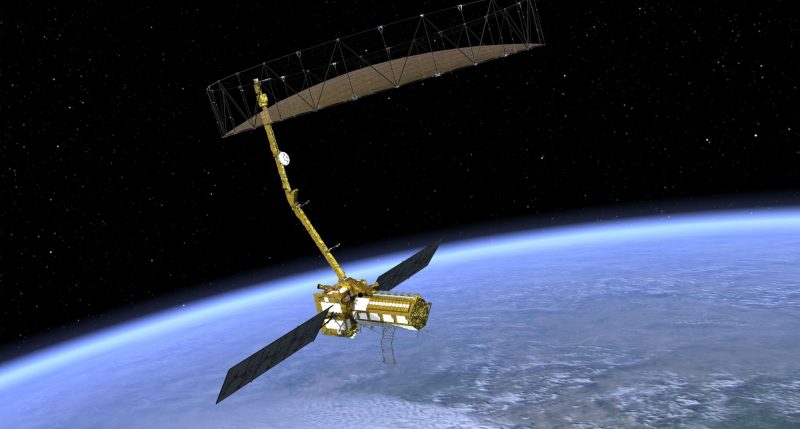
NISAR, a collaborative project between NASA and the Indian Space Research Organization (ISRO), is an upcoming radar satellite poised to revolutionize Earth observation. As the first satellite equipped with unique…
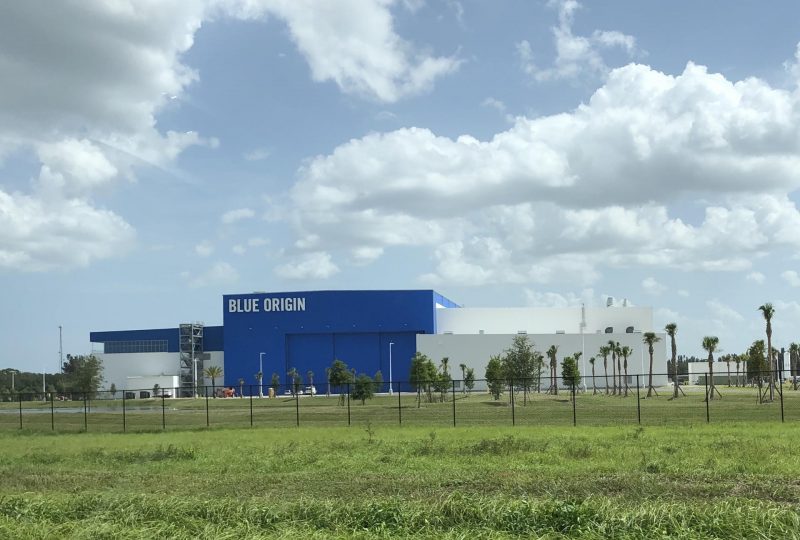
Blue Origin, the aerospace company founded by Jeff Bezos, successfully conducted a crucial static fire test of the new "New Glenn" rocket at its launch site in Cape Canaveral, Florida…
The Earth's surface is constantly in motion, a phenomenon often overlooked by many. Scientists have long relied on satellites and ground instruments to track movements associated with earthquakes, volcanoes, landslides,…