Scientists at the University of California, Santa Barbara have made a groundbreaking discovery regarding the behavior of the Aedes aegypti mosquito. Apart from utilizing other cues, these mosquitoes also employ infrared radiation to locate their hosts. This finding holds the potential to enhance mosquito control methods and aid in reducing the spread of diseases such as dengue fever and malaria. The relevant research results were recently published in the journal Nature.
While many may perceive mosquito bites as temporary nuisances, in certain parts of the world, these bites can have severe, even fatal consequences.
Although male mosquitoes are harmless, female mosquitoes require blood to lay eggs. Scientists have studied how they locate hosts for over a century, revealing that these insects rely on a combination of sensory information from various distances, rather than a singular source.
The research conducted at the University of California, Santa Barbara sheds light on another sensory information avenue for mosquitoes in locating hosts: infrared detection. When infrared radiation combines with carbon dioxide and human odors, an infrared heat source equivalent to human skin temperature causes the mosquitoes' host-seeking behavior to double. Researchers have also identified the internal organ responsible for infrared detection in mosquitoes and its functioning principles.
Tags
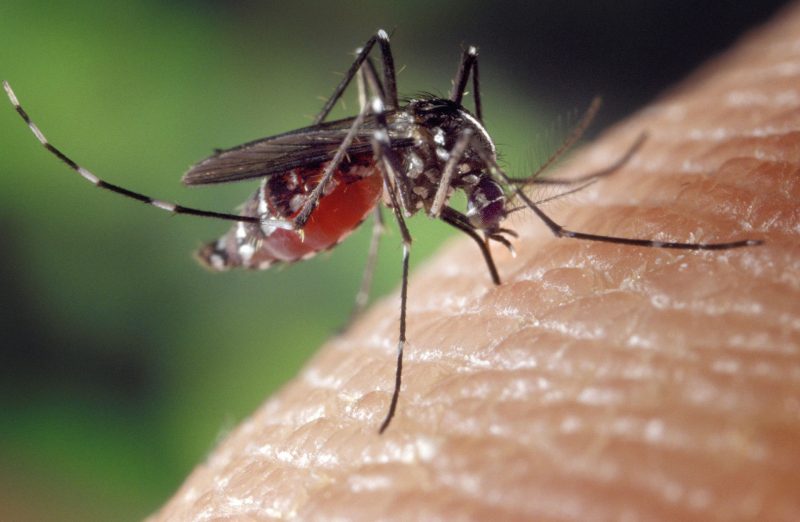
Aedes aegypti, one of the world’s most dangerous mosquito vectors, can transmit dozens of viral diseases, including yellow fever, dengue, Zika, and chikungunya. Its range, once limited to tropical and…
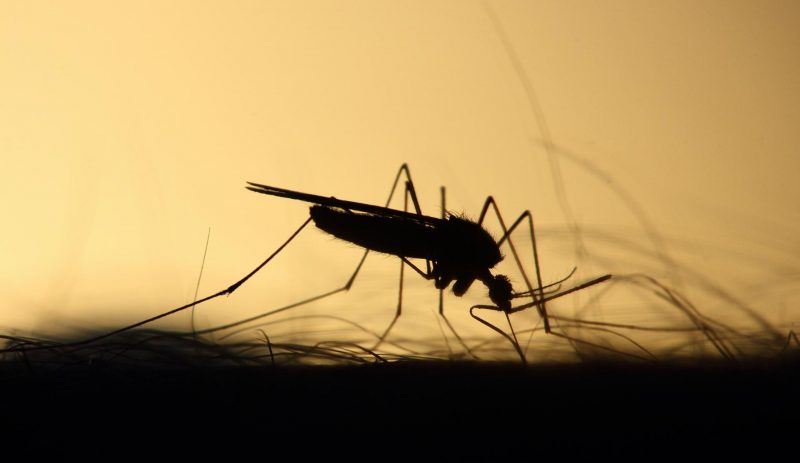
A new study published in The New England Journal of Medicine (NEJM) suggests that the antiparasitic drug ivermectin may reduce malaria transmission by making human blood toxic to mosquitoes. Conducted…
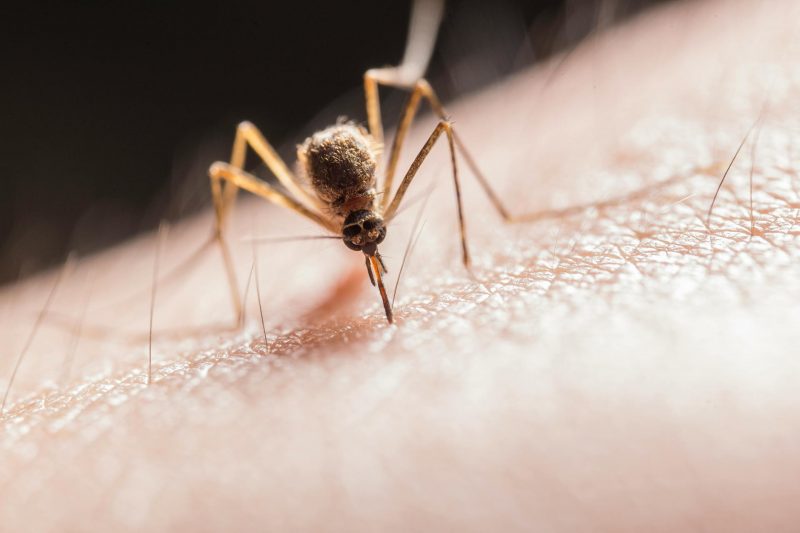
A research conducted at Pennsylvania State University in the United States suggests that under certain conditions, male mosquitoes may also exhibit a blood-sucking behavior similar to their female counterparts. This…
Summer is here, and it's time to prepare ourselves for the battle against mosquitoes. Sanitation Standing water and clogged sinks are breeding grounds for mosquitoes, because they lay eggs in standing water…
Mosquitoes are one of the most common insects found all over the world. They are known for their ability to fly in all types of weather conditions. Can mosquitoes avoid raindrops? No,…