For years, biochar was seen mainly as a passive material—removing contaminants from water by adsorption or serving as a support for catalysts. However, new research has revealed that biochar itself possesses the inherent ability to actively degrade pollutants, reshaping its potential role in water treatment.
The key lies in electron transfer, a long-overlooked natural property of biochar. Using advanced electrochemical testing, quantitative methods, and correlation analysis, scientists confirmed that biochar can directly break down organic contaminants without the need for additional chemicals. Direct degradation accounted for up to 40% ± 10% of total pollutant removal, underscoring the material's intrinsic purification power.
Three structural features were found to drive this electronic activity: C–O and O–H functional groups that act as electron "grippers", a graphitized carbon framework that provides fast electron transport channels, and persistent free radicals that serve as continuous electron sources. Remarkably, biochar maintained nearly 100% degradation stability even after five reuse cycles, demonstrating strong durability.
This breakthrough shifts the paradigm: biochar is no longer just an adsorbent or catalyst support but an active, electron-driven environmental material. Its use could substantially cut chemical inputs, lower sludge production, and reduce operational costs, offering greener, smarter solutions for both industrial and community water purification.
Biochar, once underestimated, is now redefined as a sustainable material that silently and persistently dismantles pollutants—one electron at a time—paving the way for a cleaner future.
Biochar Redefined: From Passive Adsorbent to Active Pollutant Degrader
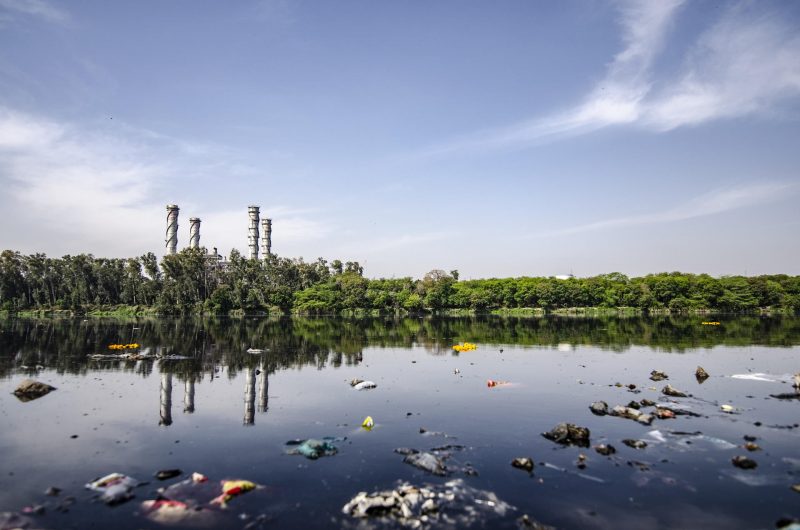
Tags
A new study published in Nature reveals that air pollution may drive cancerous mutations in lung cells—even among individuals who have never smoked. Scientists found that residents of highly polluted…

Transistors, hailed as one of the greatest inventions of the 20th century, are the fundamental building blocks of modern electronic devices. However, as electronic components continue to shrink in size,…
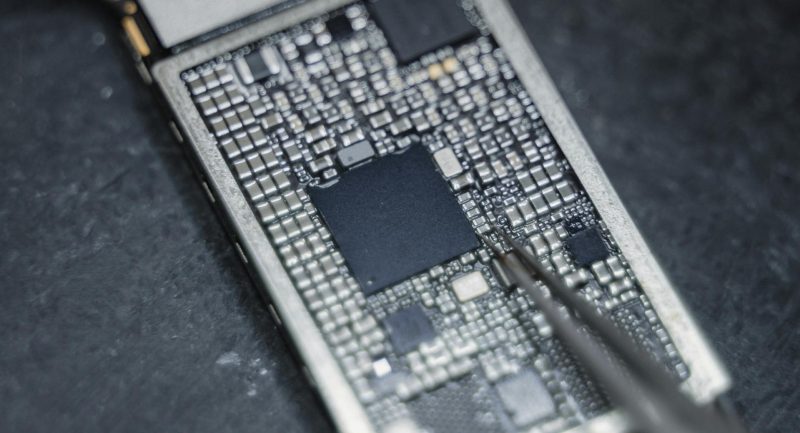
Researchers at the University of Texas at Dallas have discovered that mixing microscopic particles of two different solid-state electrolytes creates a “space charge layer” at the interface—an accumulation of ions…
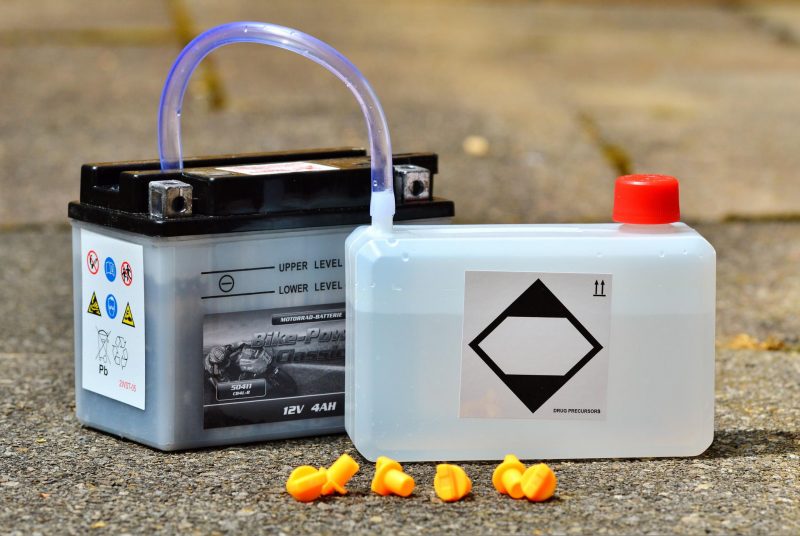
For years, dark streaks observed on the surface of Mars were thought to be potential evidence of liquid water, sparking discussions about the planet's habitability. However, a new study suggests…
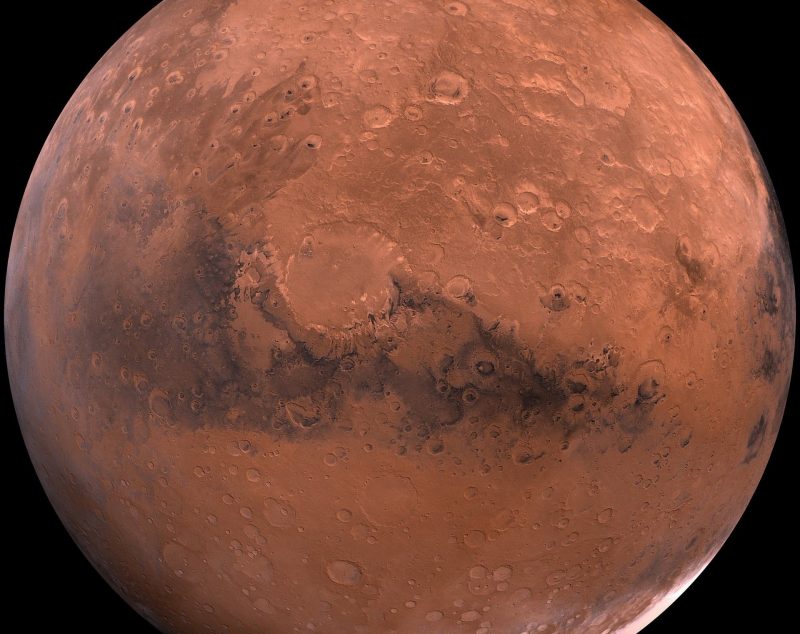
A research team from Rice University and Baylor College of Medicine has developed a groundbreaking method for detecting soil pollutants, capable of identifying harmful substances that have never been isolated…