Recently published in the journal Science Advances, a study reveals that as early as around 12,000 years ago, humans in the Americas had already established a close relationship with the ancestors of modern dogs, about 2,000 years earlier than previously recorded. This research, based on archaeological findings in Alaska, provides new insights into how Native Americans in the Americas interacted with early dogs and wolves.
In 2018, a research team from the University of Arizona discovered a shinbone of an adult dog at a long-term archaeological site about 70 miles southeast of Fairbanks, Alaska. Using radiocarbon dating, they determined that this dog lived around 12,000 years ago, during the late Ice Age. In June 2023, researchers unearthed a jawbone of a dog dating back approximately 8,100 years at another archaeological site south of Delta Junction, Alaska, also showing possible signs of domestication.
Chemical analysis of these bones revealed a diet rich in salmon protein, indicating that these dogs frequently consumed fish. This dietary pattern was uncommon among canids of that time, as they typically preyed on land animals. Researchers suggest that this dietary shift is likely related to their dependence on humans.
Scientists believe that these archaeological findings represent the earliest known relationship between humans and canids in the Americas. However, it is currently uncertain whether these canids were the earliest domesticated dogs in the Americas.
Ancient Relationship Between Humans and Dogs in the Americas Unveiled by Recent Research
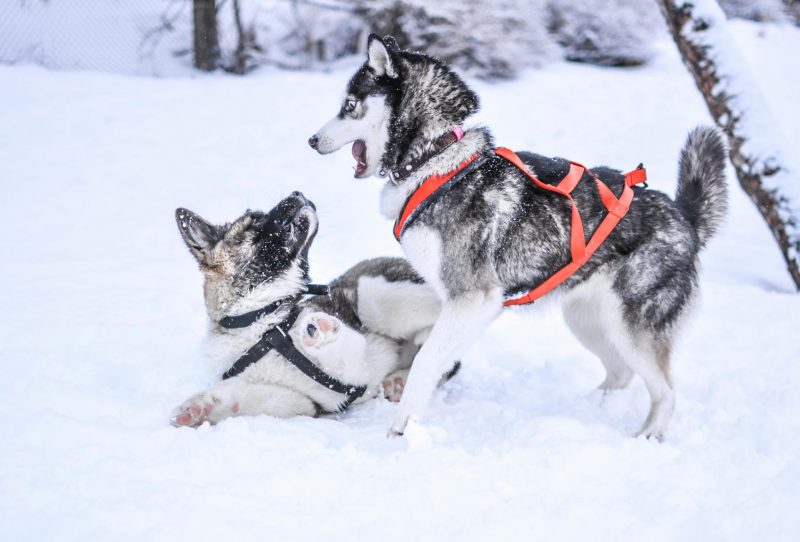
Tags
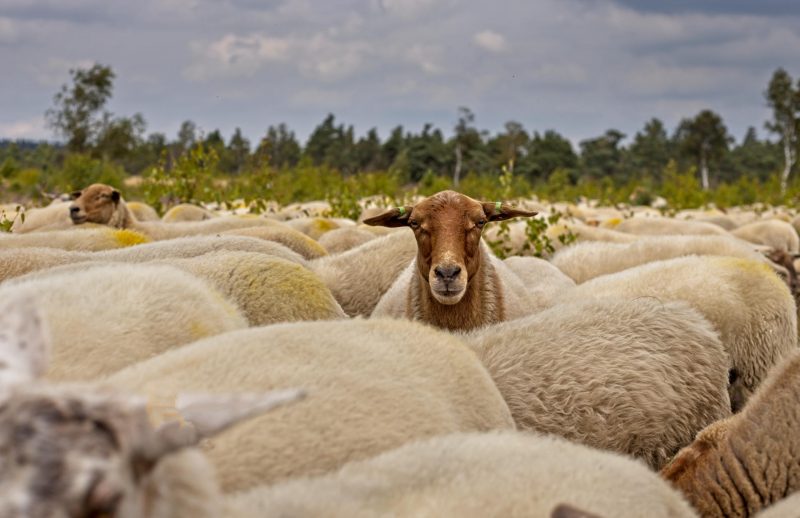
Tracing the Domestication of Sheep: New DNA Study Unveils 11,000-Year Evolutionary Journey
A groundbreaking ancient DNA study has traced the domestication of sheep back more than 11,000 years, pinpointing its origins in the Fertile Crescent—a historically significant region connecting Asia, Europe, and…
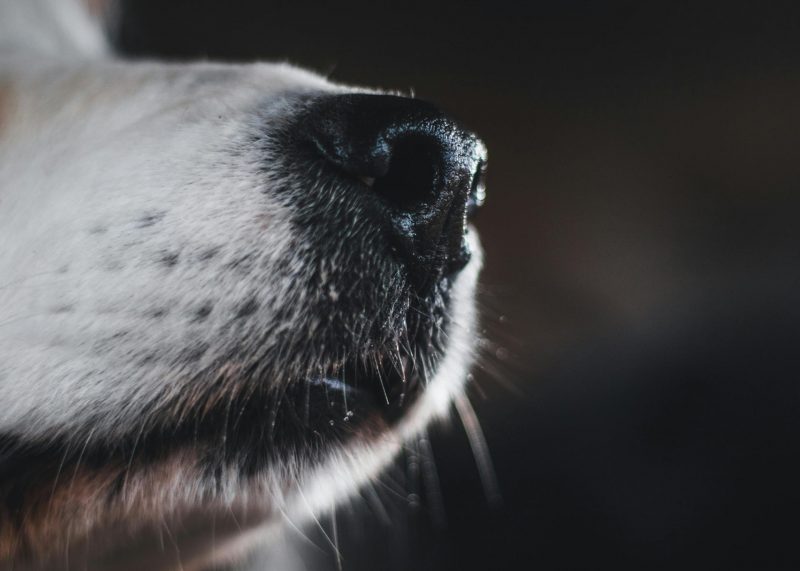
A research study published in Scientific Reports unveils an innovative screening method that combines dogs and artificial intelligence (AI) to detect cancer odors in patients' breath. The novel partnership proves…
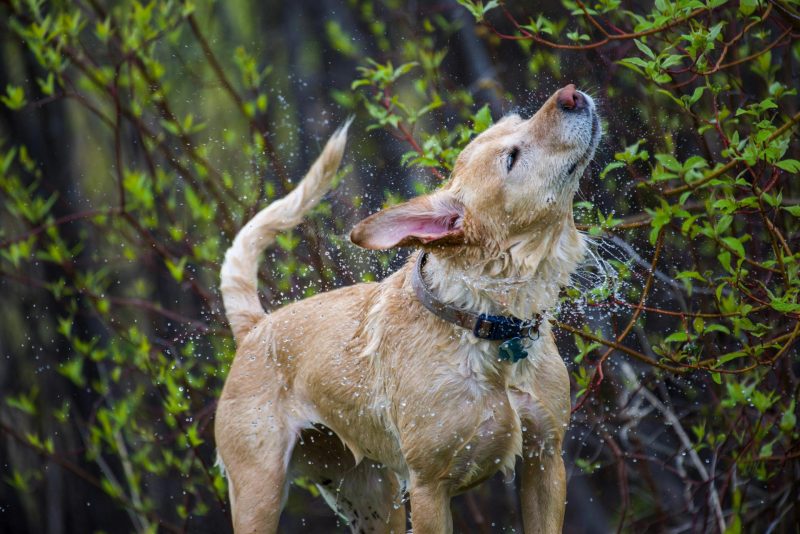
When a dog shakes off water from its fur, this action is not random or meant to intentionally wet those nearby. Many furry mammals exhibit this instinctive reflex, including rodents,…
Researchers from the University of California, Riverside, have discovered that medium-sized dogs are more susceptible to cancer compared to the largest and smallest breeds. The study, recently published in the…
Human Influence on Dog Eye Color: Shaping the Perception and Evolution of Canine Companions
New research suggests that eye color may influence our perception of dogs and wolves, with implications for their domestication and relationship with humans. Published in "Royal Society Open Science" on…