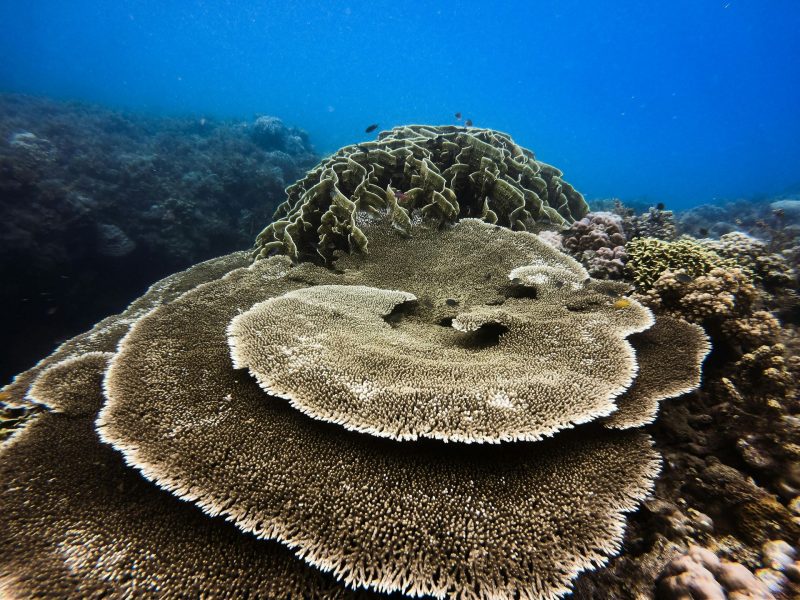
Warming waters have led to widespread coral 'bleaching' in the Great Barrier Reef during five of the past eight years, with the most recent event occurring in Australia. According to a report by the Sydney Morning Herald on April 6, survey results released by the Australian Great Barrier Reef Marine Park Authority on the evening of the 5th showed that 75% of the 1,001 coral reefs have experienced bleaching.
Climate change projections for coral reefs often rely on sea surface temperatures, disregarding the differential warming experienced by deeper waters.
A recent study, conducted by the University of Exeter and the University of Queensland, examined the impact of temperature changes on mesophotic corals (located at depths of 30 to 50 meters). Although certain deeper areas of the Great Barrier Reef are shielded from harmful heat waves, research suggests that this defense will be lost if global warming continues. The findings of this study were published in the Proceedings of the National Academy of Sciences on April 8.
The study reveals that the separation between warm buoyant surface water and cooler deep water acts as a protective barrier for coral reefs against surface heat waves. However, if global warming surpasses 3°C above pre-industrial levels, this safeguard will be compromised. Similar dynamics may be observed in other coral reefs worldwide, but the presence and insulation of deep-water coral sanctuaries from surface heat waves will vary due to local conditions affecting water movement and mixing.
Moreover, the study highlights that a 3°C increase in global warming would elevate mesophotic temperatures in the Great Barrier Reef above 30°C, which is the recognized threshold for coral death. Although not all corals would necessarily perish, this state of stress would raise mortality rates and potentially lead to the collapse of the reef.
To determine their projections of mesophotic reef warming, the research team considered factors such as wind, tidal water mixing, and local complexity. They estimate that by 2050-2060, under projected lower greenhouse gas emissions, the bottom temperature of the Great Barrier Reef (30-50 meters) will rise by 0.5-1°C. Under projected higher greenhouse gas emissions, the increase is expected to range from 1.2 to 1.7°C.
Dr. Paul Halloran, from the Global Systems Institute at the University of Exeter, emphasized that coral reefs face multiple threats beyond climate change. To safeguard these ecosystems, a better understanding of their intricacies is imperative.
Global Warming Threatens Great Barrier Reef's Deep-Water Coral Sanctuaries
Tags
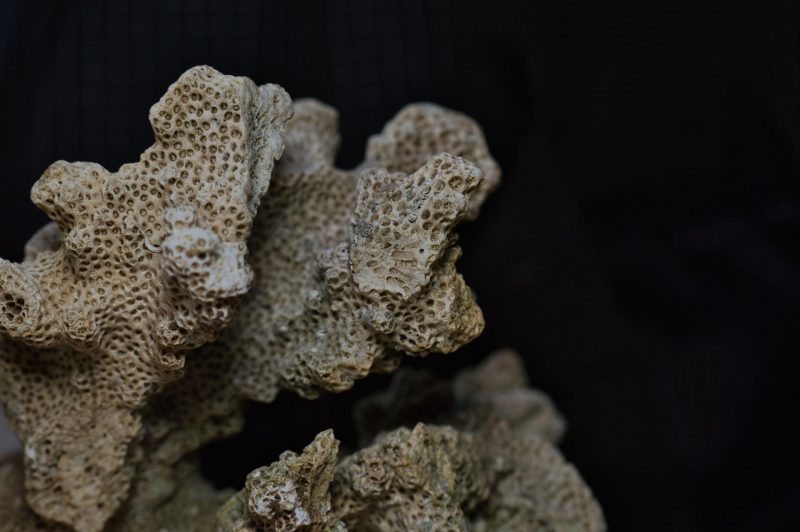
Scientists have discovered hundreds of massive coral boulders scattered inland on Anegada Island in the British Virgin Islands—evidence of a catastrophic tsunami that struck in the late 14th century. The…
The Sahara Desert, one of the driest places on Earth with an average annual rainfall of just about three inches, may experience a striking transformation later this century. A new study…

A new study led by the University of Exeter warns that the world has crossed its first recognized climate "tipping point", as coral reef ecosystems enter a state of widespread…
A new study led by the University of Reading challenges long-held assumptions about primate origins. For decades, scientists believed primates, including humans, emerged from warm, humid tropical forests. However, reanalysis…

A research team from The Hong Kong Polytechnic University has, for the first time, used Satellite Laser Ranging (SLR) technology to generate precise global records of ocean mass changes spanning…
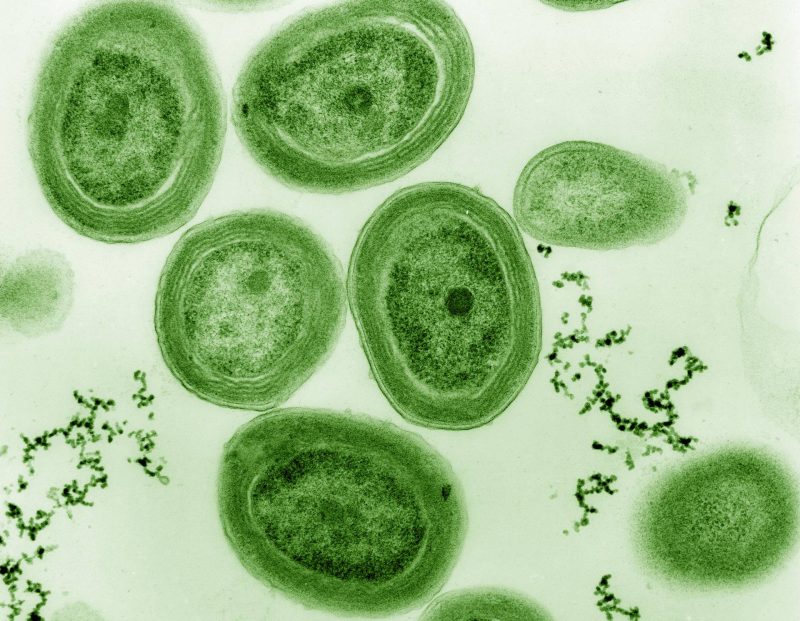
Prochlorococcus, the most abundant microbe in the oceans, is facing a survival crisis due to global warming. This single-celled cyanobacterium, found across more than 75% of the ocean's surface waters,…