This summer, many parts of the world have experienced unprecedented heatwaves that have shattered decades-long records and posed serious threats to human health, wildlife and ecosystems. These extreme events are consistent with the predictions of climate models and are largely driven by the accumulation of greenhouse gases in the atmosphere and the oceans.
Record-breaking heatwaves are sweeping across various parts of the world. In the US, over 113 million people, around a third of Americans, are under heat advisory, as confirmed by the US National Weather Service. El Paso, Texas, has seen temperatures above 37℃ (98.6℉) for 27 consecutive days, surpassing a previous record set in 1994. Similarly, the UK experienced scorching temperatures in June, breaking all-time records by 0.9℃ (1.62℉), exceeding the previous record set in 1940. This global trend is also evident in North Africa, the Middle East, and Asia, where unprecedented hot weather is being observed.
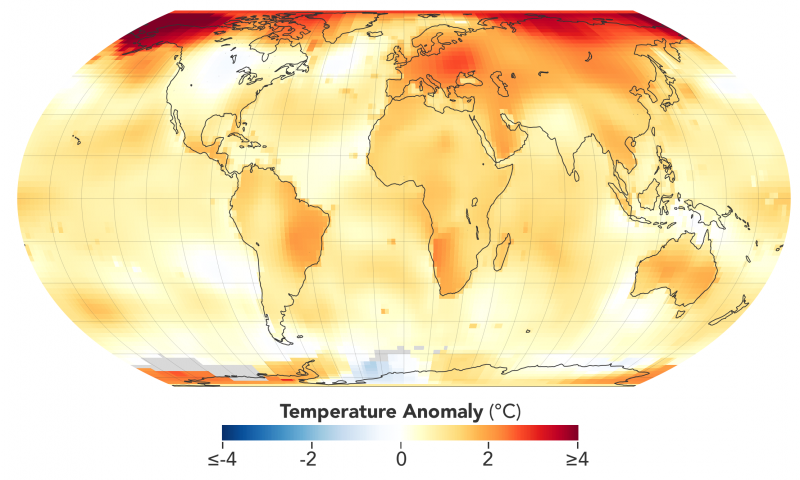
According to the European Centre for Medium-Range Weather Forecasts, June was the hottest month globally on record. In fact, the past week witnessed the three hottest days ever recorded, with an average global temperature of 17.05℃ (62.69℉) on 5 July. The North Atlantic, particularly the UK coasts, is facing a Category 4 heatwave, characterized by the highest surface water temperatures ever recorded. Some regions have experienced temperatures up to 5℃ (41℉) above the norm for this time of year. Contributing factors include the development of an El Niño event in the tropical Pacific, which elevates air temperatures by releasing heat into the atmosphere.
Scientists warn that these heatwaves, intensified by global warming, are not only more frequent but also more intense and prolonged. Friederike Otto, a climatologist at Imperial College London, highlights that experts predict 2023 to be the hottest year on record due to the developing El Niño, potentially pushing the world beyond the critical 1.5℃ (2.7℉) warming milestone. These rising temperatures have already resulted in irreversible ecological changes worldwide. For instance, the UK witnessed unprecedented fish deaths in rivers and canals due to record June temperatures. Marine heatwaves in Australia and the Mediterranean have caused the disappearance of kelp forests and have led to starvation among seabirds and whales.
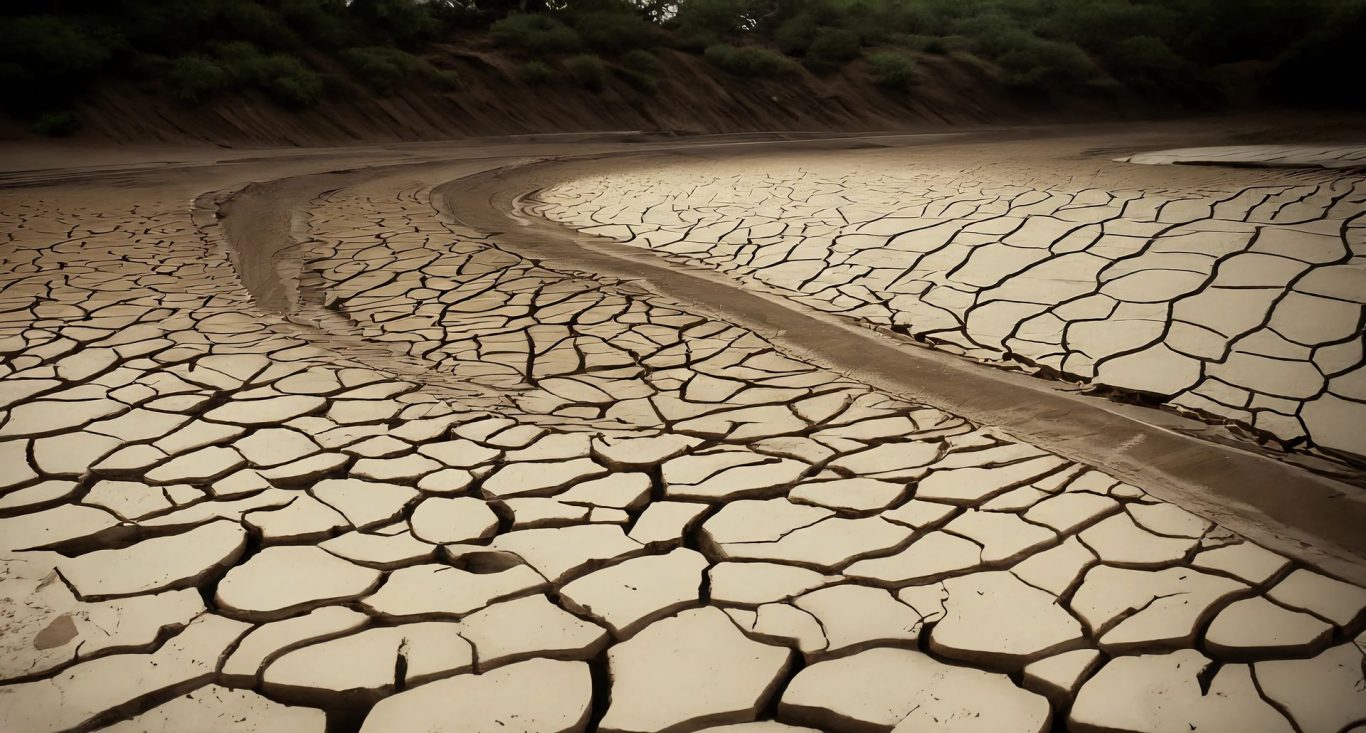 Image Credit: Timeboil
The extreme heat experienced this summer serves as a powerful reminder of the ongoing climate emergency that we have long been aware of. It underscores the urgent need for immediate and significant measures to reduce greenhouse gas emissions and mitigate the effects of global warming. We are essentially in a race against time, with climate change accelerating while our efforts to curb emissions must keep pace. The crucial question now is whether we can act swiftly enough to slow down the relentless progression of climate change and ensure that the consequences of global warming remain manageable within acceptable limits.
Escalating Heatwaves: A Call to Action for Urgent Climate Change Mitigation
Tags
The Sahara Desert, one of the driest places on Earth with an average annual rainfall of just about three inches, may experience a striking transformation later this century. A new study…

A new study led by the University of Exeter warns that the world has crossed its first recognized climate "tipping point", as coral reef ecosystems enter a state of widespread…

A new study led by the University of Reading challenges long-held assumptions about primate origins. For decades, scientists believed primates, including humans, emerged from warm, humid tropical forests. However, reanalysis…

A research team from The Hong Kong Polytechnic University has, for the first time, used Satellite Laser Ranging (SLR) technology to generate precise global records of ocean mass changes spanning…

Prochlorococcus, the most abundant microbe in the oceans, is facing a survival crisis due to global warming. This single-celled cyanobacterium, found across more than 75% of the ocean's surface waters,…
A new study from the University of Hong Kong, published in Nature Climate Change, has found that long-term exposure to extreme heat can accelerate organ aging and increase multiple health…