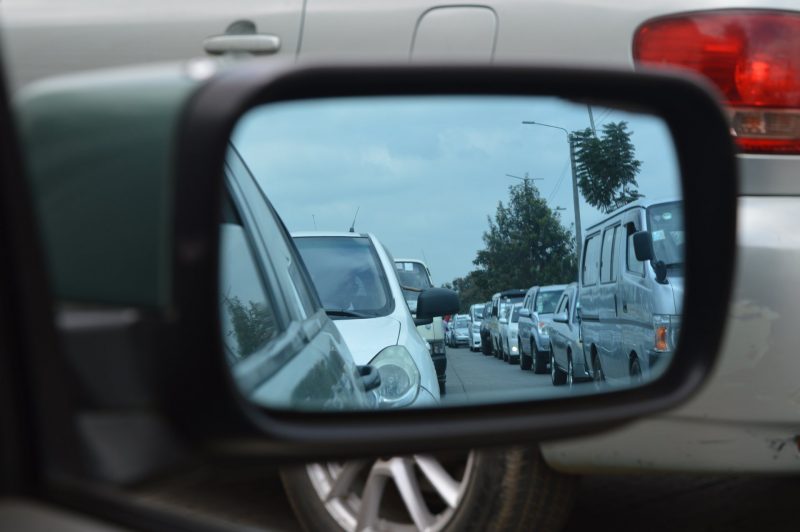
Tesla CEO Elon Musk has reiterated his desire for future cars to eliminate physical rearview mirrors. He argues that rearview mirrors create drag and reduce electric vehicle range by up to 5%. According to Musk, these mirrors are unnecessary and outdated designs that should be abandoned once autonomous driving reaches maturity.
Musk's proposal for electronic rearview mirrors, known as CMS, seems more practical. As regulations have gradually relaxed in various countries, electronic rearview mirrors have gained widespread usage in commercial and passenger vehicles. The ISO standard established the world's first standard for electronic rearview mirrors in 2015, followed by the UN-R46 regulation issued by the United Nations in 2016. This led to the introduction of vehicles equipped with electronic rearview mirrors in Europe, Japan, South Korea, India, and other regions.
Major global car manufacturers such as Mercedes-Benz, Audi, Toyota, and Hyundai have already launched mass-produced passenger cars featuring electronic rearview mirrors. The application of electronic rearview mirrors is even more prevalent in the commercial vehicle sector.
Electronic rearview mirrors offer advantages such as reduced drag, improved aerodynamics, and a larger field of view compared to traditional mirrors. They also have the potential to integrate with intelligent information systems, enhancing the vehicle's capabilities in the realm of smart driving.
However, the initial development of electronically controlled external rearview mirrors faces several challenges. These include potential failure of external cameras and internal screens, cost control due to the addition of electronic configurations, and technical and marketing issues related to image acquisition, transmission delay, and user experience.
While completely eliminating physical rearview mirrors depends on the advancement of autonomous driving technology, electronic rearview mirrors represent a significant improvement over their traditional counterparts. Car manufacturers strive to provide the best technology and user experience within regulatory boundaries, prioritizing safety, practicality, and superior performance.
Elon Musk Advocates for Mirrorless Cars with Electronic Rearview Mirrors
Tags
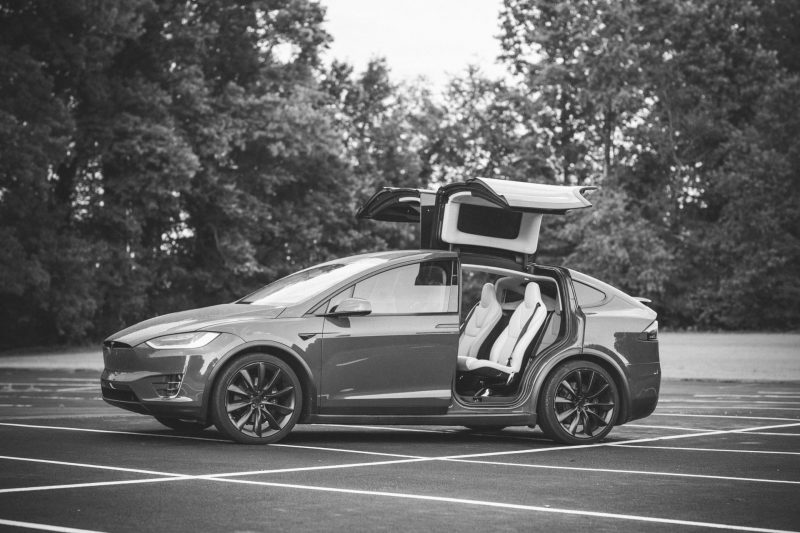
Tesla's Beijing division is initiating its second recall of 870 Model X vehicles imported into China due to safety concerns related to roof trims potentially detaching, as announced by China's…
During the recent TSMC North American Technology Symposium, Tesla made an announcement regarding the mass production and imminent deployment of its wafer-level Dojo processor, designed specifically for AI training. Tesla's Dojo…
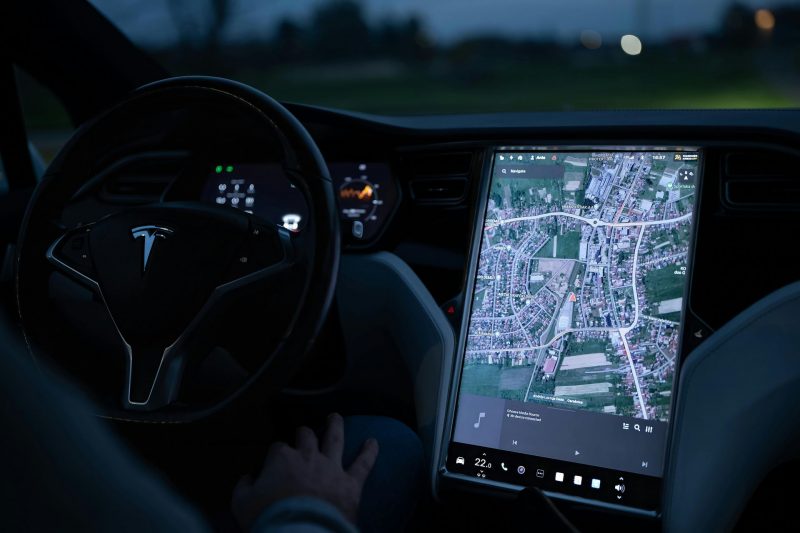
According to a source familiar with the matter, Tesla and Baidu have received approval from Chinese regulators for their advanced driver-assistance map, which they developed together. The Ministry of Natural…
Tesla's first-quarter deliveries faced challenges amidst a slowdown in electric vehicle demand and increasing competition within the automotive industry. The company experienced a decline of 8.5% year-on-year, delivering approximately 386,800…
The Tesla Gigafactory in Brandenburg, Germany, situated near Berlin in the Grinheide district, is facing opposition from local residents as it seeks to expand its operations. Currently, the Gigafactory produces…
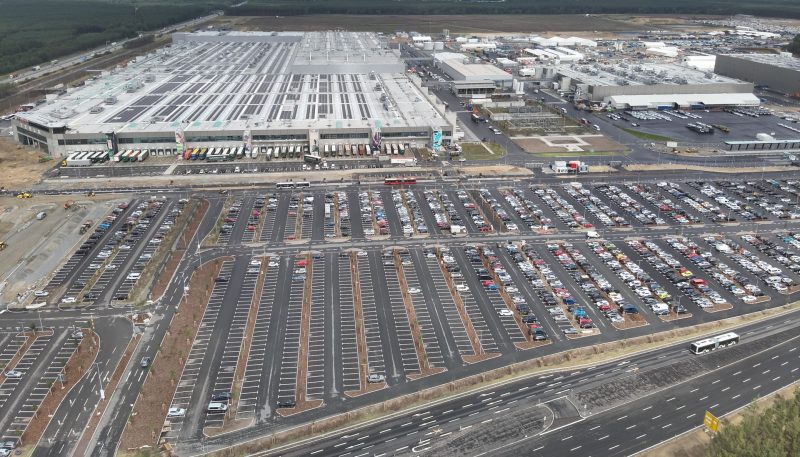
Electric vehicle manufacturer Tesla has obtained a land use permit from Mexico's federal environment ministry to construct a "gigafactory" in the state of Nuevo Leon, as announced by the state…