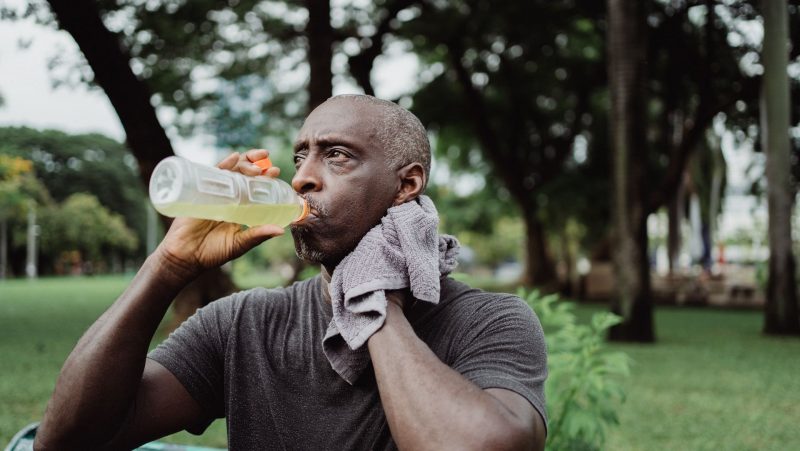
Taking a cold bath in hot summer not only helps to lower body temperature and provide a cool and comfortable sensation, but also offers numerous additional benefits to the body.
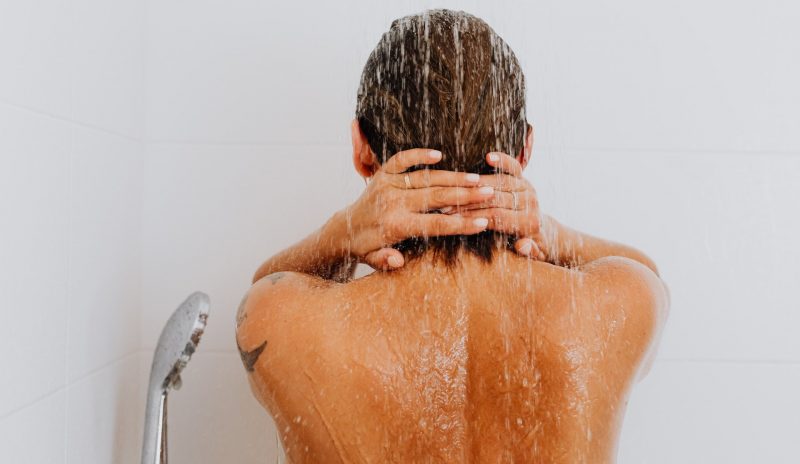
1. Taking a cold shower can stimulate blood circulation, promoting increased blood flow throughout the body. This enhanced circulation helps improve metabolism and boosts the functioning of the immune system. Additionally, it aids in relieving fatigue and reducing stress levels.
2. Cold showers provide a refreshing experience and stimulate the nervous system. They have the potential to enhance overall spirit and focus, leaving you feeling more awake and energized.
3. Cold showers have the benefit of reducing oil production in the skin and hair. And it is helpful to maintain cleanliness and promote overall skin and hair health.
 Image Credit: Andrea Piacquadio
However, taking a cold shower may also cause some physical discomfort.
1. While taking a cold shower, it's important to be aware of potential drawbacks such as dry skin, dehydration, and allergies that may arise due to the cold water exposure.
2. Cold showers may bring a sudden drop in body temperature, leading to a sensation of coldness, particularly in low ambient temperatures or strong winds.
3. Taking cold showers can increase the strain on the heart. Cold water has the tendency to cause vasoconstriction, which can elevate the burden on the heart. This aspect may be especially relevant for individuals with heart disease or blood pressure issues.
4. Some individuals may experience specific symptoms triggered by cold showers. For instance, cold water may provoke asthma symptoms, headaches, or muscle spasms in certain individuals.
5. The endocrine system can also be influenced by cold showers, potentially leading to irregular menstruation and sexual dysfunction. It's important to consider those potential effects on the body's hormonal balance.
 Image Credit: Gustavo Fring
Therefore, when taking a cold shower in the summer, it is advisable to keep the following points in mind:
1. Avoid taking a cold shower immediately after meals or exercise to prevent any negative impact on digestion and recovery processes.
2. Be mindful not to excessively prolong or frequently engage in cold showers to prevent potential damage to both the skin and the body.
3. Opt for water that is not excessively cold so as to avoid overstimulation of nerves and blood vessels.
4. Do not overlook measures to maintain warmth, such as thoroughly drying your body and wearing appropriate warm clothing after a cold shower.
Since individual physical conditions and reactions can vary, the decision of whether to take cold showers, the frequency of cold showers, and the timing of cold showers should be based on individual circumstances and health conditions. If you have any medical concerns or worries regarding the effects of cold showers, it is advisable to consult with your doctor or a healthcare professional for personalized advice.
Benefits and Considerations of Taking Cold Showers in Summer
Tags
Summer is here, and it's time to prepare ourselves for the battle against mosquitoes. Sanitation Standing water and clogged sinks are breeding grounds for mosquitoes, because they lay eggs in standing water…

Summer vacation is here, and children who have irregular lifestyles, lack outdoor activities, or engage in prolonged near-work activities are more susceptible to developing myopia or experiencing a worsening of…

This summer, many parts of the world have experienced unprecedented heatwaves that have shattered decades-long records and posed serious threats to human health, wildlife and ecosystems. These extreme events are…

Summer's high temperature and humidity make us sweat more. Sweat helps us cool down, but it also depletes our water, minerals, a trace of vitamins and fatty acids. That’s why…