Technology giant Apple, along with payment giants Visa and Mastercard, is currently facing allegations of engaging in anticompetitive practices in the payment card service market. The lawsuit claims that the companies conspired to stifle competition and covertly increased transaction fees for merchants' credit and debit card transactions.
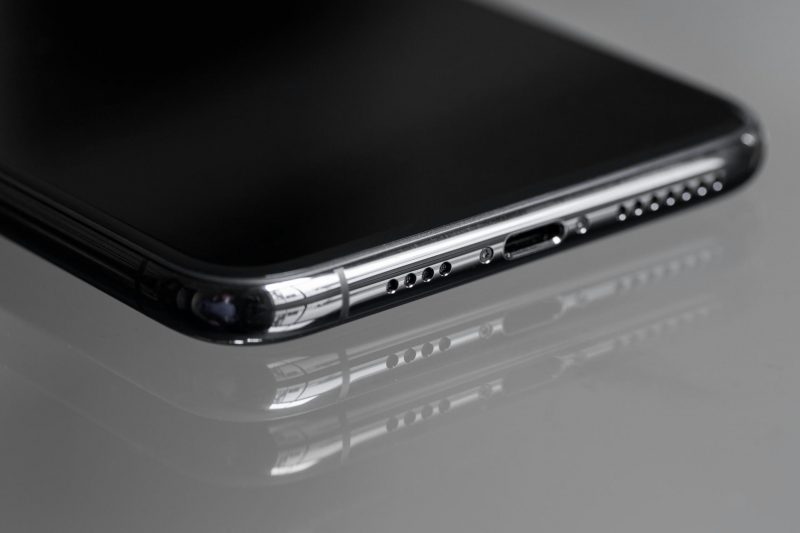
According to the lawsuit, Apple is accused of utilizing its iPhone devices to restrict the use of NFC chips, effectively making Apple Pay the exclusive mobile wallet platform. This alleged tactic aims to eliminate other competitors from the market. Visa and Mastercard are said to have struck agreements with Apple, shifting Apple Pay transactions onto their payment networks and providing Apple with a share of the transaction fees as compensation.
The plaintiffs argue that this agreement essentially amounts to an "ongoing and substantial bribe" from Visa and Mastercard to Apple. This arrangement could potentially deter Apple from developing an independent payment network, resulting in reduced market competition and increased processing costs for merchants' credit and debit card transactions.
The lawsuit highlights that Apple has agreed not to establish its own independent point-of-sale (POS) payment network using iPhones. Instead, Apple has chosen to route Apple Pay transactions through Visa and Mastercard's networks. Reliable sources indicate that Apple has limited third-party access to a specific iPhone hardware component called the 'Secure Element,' which prevents third parties from developing competing mobile payment solutions that could challenge the established networks. In exchange for this arrangement, Visa and Mastercard agreed to share a portion of the transaction fees generated by their respective payment networks with Apple.
Under scrutiny from the European Union's antitrust investigation, Apple has proposed opening the iPhone's Apple Pay NFC system to other companies. However, it remains uncertain whether this proposed openness will be implemented and whether it will extend to other markets.
Apple Faces Antitrust Lawsuit for Alleged Payment Service Monopoly with Visa and Mastercard

Tags
China will expand its visa waiver policy to include six additional countries starting June 1, aiming to further stimulate inbound tourism. Under a reciprocal agreement with Uzbekistan, citizens of both countries…

Apple has achieved a significant milestone by producing its top-tier iPhone 16 Pro and Pro Max models in India for the first time this year, marking a crucial moment for…
According to media reports, Apple Intelligence feature is set to be launched on October 28th alongside iOS 18.1. Apple Intelligence stands out as the flagship feature of iOS 18 and…
The Economic Times reports that Foxconn is assessing an investment of around $1 billion to establish a smartphone display module assembly factory in Tamil Nadu, primarily to serve Apple's iPhone. Sources…

Facebook's parent company, Meta, made an announcement on Monday local time, revealing its plans to collaborate with external hardware companies such as Lenovo, Microsoft, and Asus. The objective of this…

Recent reports indicate that the release of the Apple iPad Pro 2024 has been delayed until May due to a shortage of OLED panels. The iPad Pro 2024 comes in both…