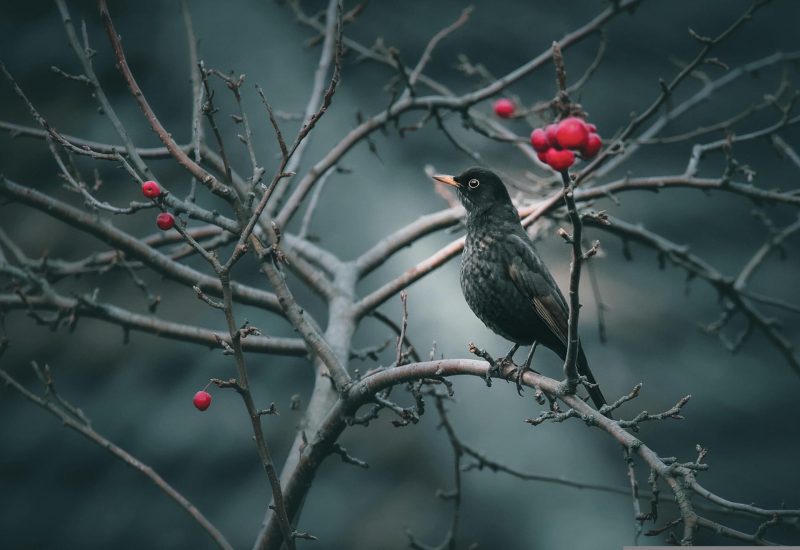
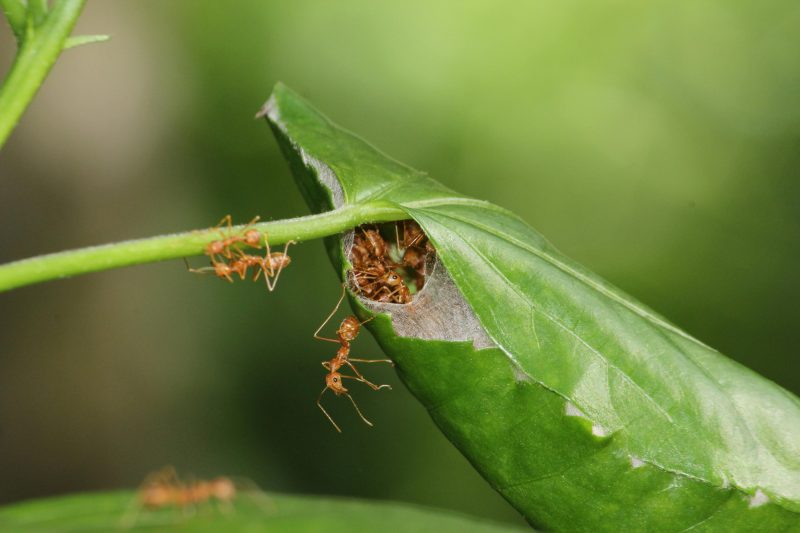
In the forests of the lowlands in South Asia, bird species are diverse, yet insect-eating bird species are relatively scarce. A study published last month in "Ecology Letters" may shed light on this phenomenon. Weaver ants, aggressive ants that inhabit lowland forests and prey on tiny invertebrates, might be reducing the food sources for insect-eating birds, thereby forcing them to migrate to higher altitudes.
Many mountain ranges have what is known as the "ant line," typically at altitudes between 1000 and 1500 meters. Entomologists have found that above this altitude, the number of invertebrates tends to decrease. This region is also considered a thriving ground for some animals (such as small mammals in the Philippines), leading ecologists to speculate that this could be due to the absence of ants.
A study conducted in the Himalayas in 2020 suggested that ants might also be influencing the distribution of birds. The research revealed a scarcity of insect-eating birds such as swifts and warblers in lowland forests. When researchers removed weaver ants (Oecophylla smaragdina) and prevented them from climbing trees, the population of invertebrates like beetles and moths significantly increased. These insects are a primary food source for insect-eating birds, prompting researchers to suggest that competition with ants could be a reason for the scarcity of lowland insect-eating bird species.
Another research team from the Indian Institute of Science analyzed global altitude distribution data of mountain birds. In areas without weaver ants, the species diversity of insect-eating birds peaked at lower altitudes and gradually decreased with increasing altitude. However, in areas with weaver ants, the peak diversity of insect-eating birds occurred at around 1000 meters above sea level. The study indicates that fruit-eating and scavenging bird species do not exhibit this pattern, further confirming the hypothesis of ants' impact on insect-eating bird species.
Ants May Force Insectivorous Birds to Migrate to Higher Altitudes
Tags
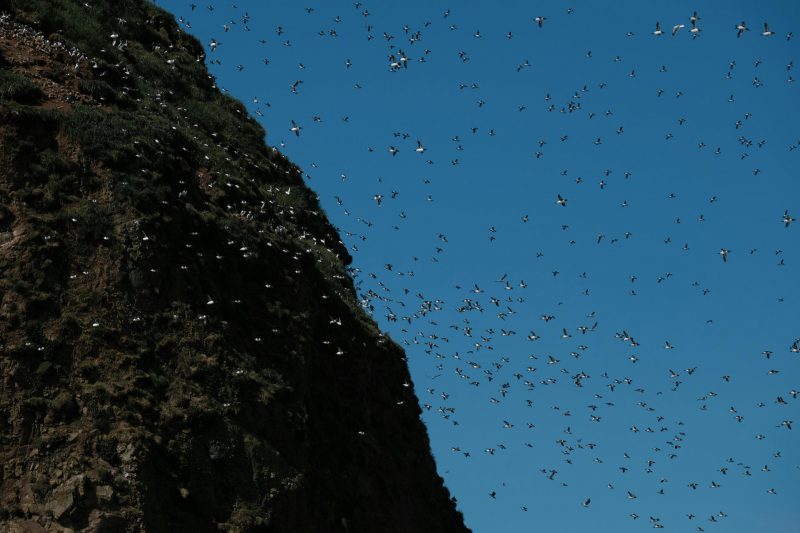
A new study published in Science reveals that artificial night lighting significantly prolongs daily birdsong, marking the first global-scale validation of this phenomenon. Researchers from Oklahoma State University and Southern Illinois…
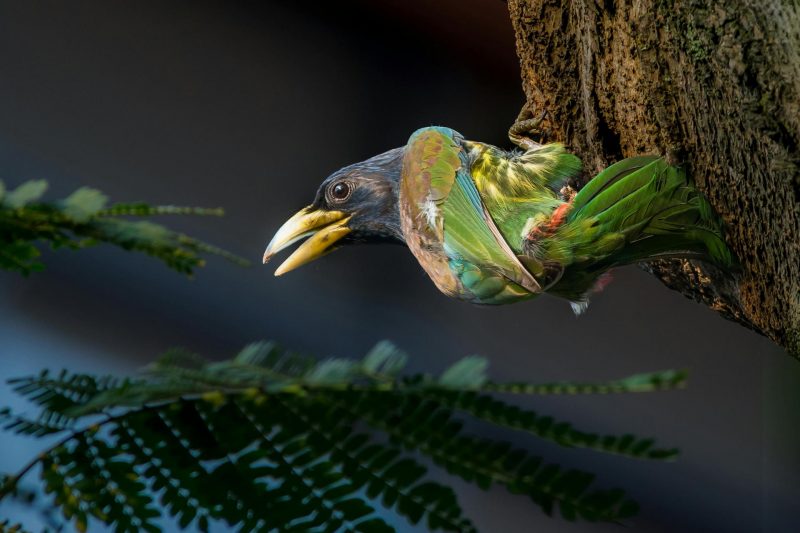
Widespread Sex Reversal Found in Wild Birds Challenges Traditional Gender Identification
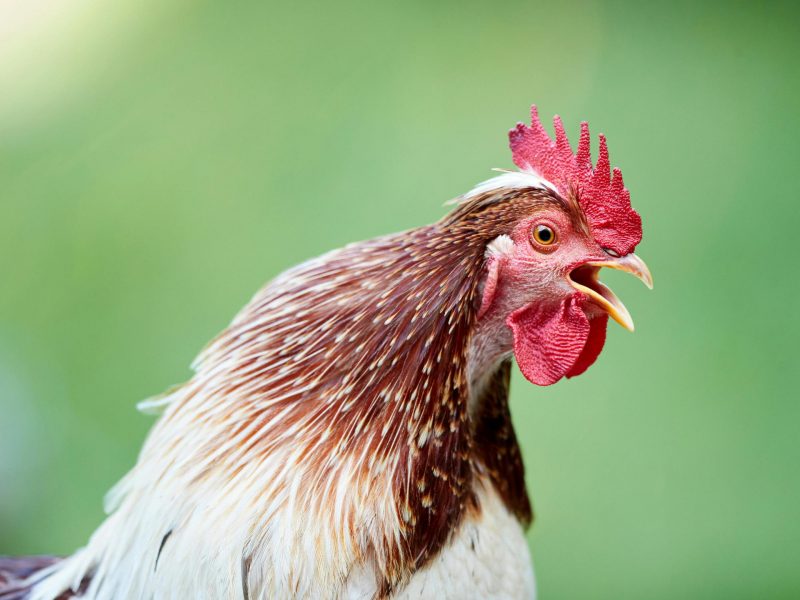
Many bird species display striking physical traits that distinguish males from females, such as the rooster's comb or the peacock's tail feathers. However, in species where the sexes look alike,…
From the African tropics to the South Pacific, weaver ants build intricate multi-layered nests by bending and binding living leaves. A new study reveals that when working together, these ants…
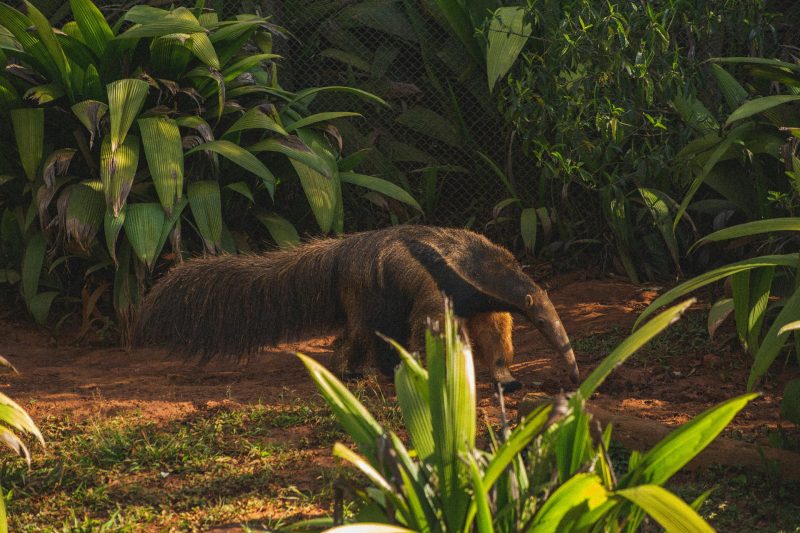
Mammals Have Evolved Ant- and Termite-Eating Adaptations at Least 12 Times Since Dinosaur Extinction
Since the extinction of non-avian dinosaurs 66 million years ago, mammals have independently evolved specialized adaptations for feeding on ants and termites at least 12 times. This finding, published in…
In a bid to safeguard critically endangered bird species, biologists at the University of Utah have conducted an analysis summarizing the characteristics that have led to the extinction of 216…