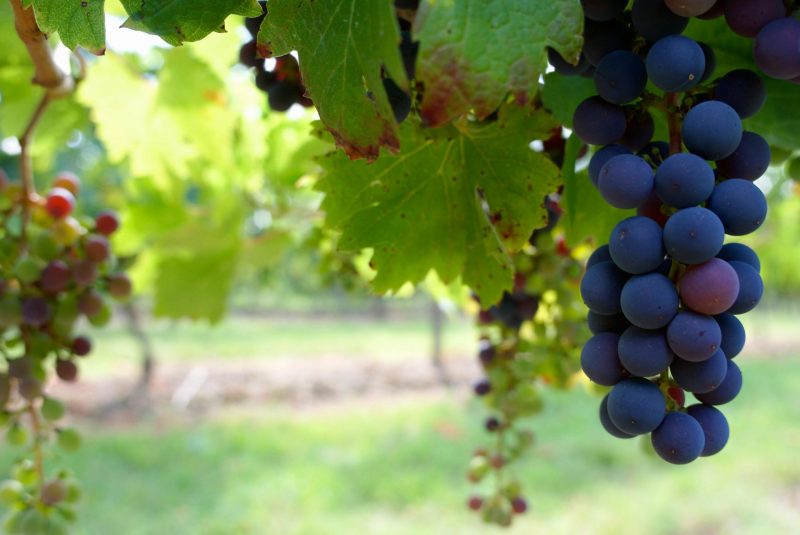
In a recent study published in the journal Nature Plants, researchers have made a significant discovery by uncovering fossilized grape seeds dating back between 60 million and 19 million years in Colombia, Panama, and Peru. These fossilized seeds provide evidence of the earliest known plants belonging to the grape family in the Western Hemisphere. Moreover, they shed light on the rapid spread of grape plants following the extinction of dinosaurs.
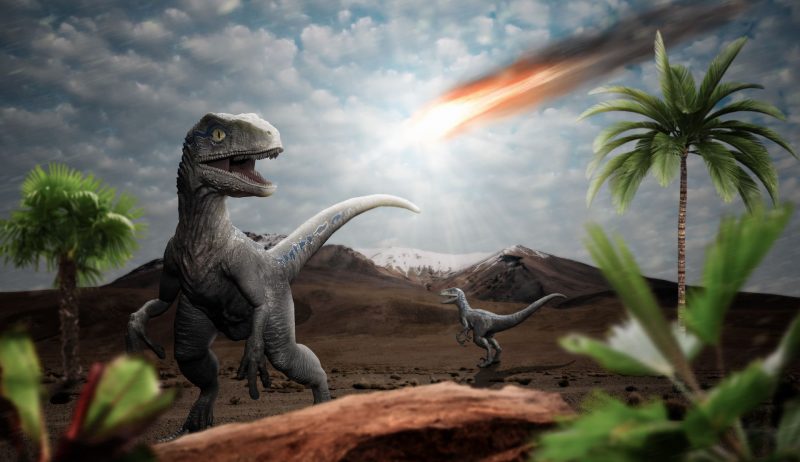
The emergence of grape seeds in the fossil record around 66 million years ago is not a mere coincidence. This period coincides with a colossal asteroid impact on Earth, which resulted in a mass extinction event that drastically altered the planet's biodiversity. While dinosaurs were the most heavily impacted, the extinction event also had a profound effect on plant life, leading to a reconfiguration of forest ecosystems.
The absence of large dinosaurs allowed certain tropical forests, including those in South America, to become denser as there were no longer herbivores to trim the vegetation. This transformation created favorable conditions for the proliferation of plants like grapes. The fossil record from this era reveals an increase in the presence of climbing vines, such as grapevines, among the plant species. The subsequent diversification of birds and mammals in the aftermath of the mass extinction likely facilitated the spread of grapes by aiding in the dispersal of their seeds.
Researchers emphasize the significance of studies like this as they uncover valuable insights into the patterns and mechanisms behind biodiversity crises. By examining how plant species respond and adapt to environmental changes, scientists can gain a better understanding of the dynamics and resilience of ecosystems throughout history.
Ancient Grape Seeds Reveal Spread of Grape Family After Dinosaur Extinction
Tags
California's deserts, once thought to be naturally resistant to plant invasions, are now under severe threat from an aggressive weed—Sahara mustard (Brassica tournefortii). A recent study by the University of…
UCL Study Challenges Extinction Narrative: Dinosaurs May Have Thrived Until Asteroid Impact
A new study led by researchers at University College London (UCL) offers a fresh perspective on dinosaur extinction, suggesting that dinosaurs were not in decline prior to the asteroid impact…

A research team from the Technical University of Munich is exploring ways to optimize the lifespan of plant enzymes. Certain plant enzymes have a short lifespan and require frequent replacement,…
For decades, scientists have debated whether the mass extinction of dinosaurs was caused solely by the Chicxulub meteorite impact or if massive volcanic eruptions also played a significant role. Approximately 66…
In the past decade, the global plant-based beverage market has witnessed significant growth, with oat, almond, soy, and other plant-based drinks gradually becoming popular alternatives to dairy milk. Millions of…

Discovery of Gene Enhancing Photosynthesis in Poplar Trees Holds Promise for Agriculture and Bioenergy
Researchers at the University of Illinois, in collaboration with the Bioenergy Innovation Center at Oak Ridge National Laboratory in the United States, have discovered a gene in poplar trees that…