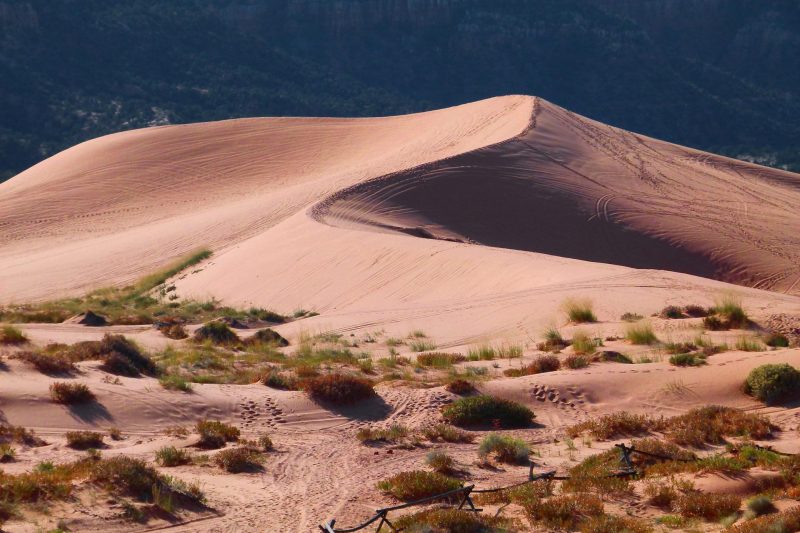
California's deserts, once thought to be naturally resistant to plant invasions, are now under severe threat from an aggressive weed—Sahara mustard (Brassica tournefortii). A recent study by the University of California, Riverside, published in the journal Ecology, reveals that this invasive species is eroding biodiversity and weakening the desert's ability to recover from extreme climate events.
Analyzing 17 years of field data, researchers found that Sahara mustard poses a serious threat to native plant species by depleting the desert's natural seed bank—a vital reserve of dormant seeds in the soil that supports ecosystem resilience. Each Sahara mustard plant can produce up to 15,000 seeds, rapidly crowding out native flora. Furthermore, as a member of the mustard family, the plant may release chemicals that inhibit the growth of surrounding vegetation.
Under normal conditions, desert plants grow in alternating patterns based on rainfall variability, maintaining ecological balance. However, the unchecked spread of Sahara mustard simplifies this dynamic, reducing native plant diversity and making ecosystems more vulnerable to environmental fluctuations. The invasion also disrupts animal habitats, affecting species such as ants and lizards that rely on native vegetation for food and shelter.
The study offers a management framework for deserts worldwide facing similar threats. Targeted removal of invasive species combined with restoration of critical native plants could help safeguard desert biodiversity. As climate change intensifies, such efforts will become increasingly essential for preserving ecological stability.
Invasive Sahara Mustard Threatens California Desert Ecosystems
Tags
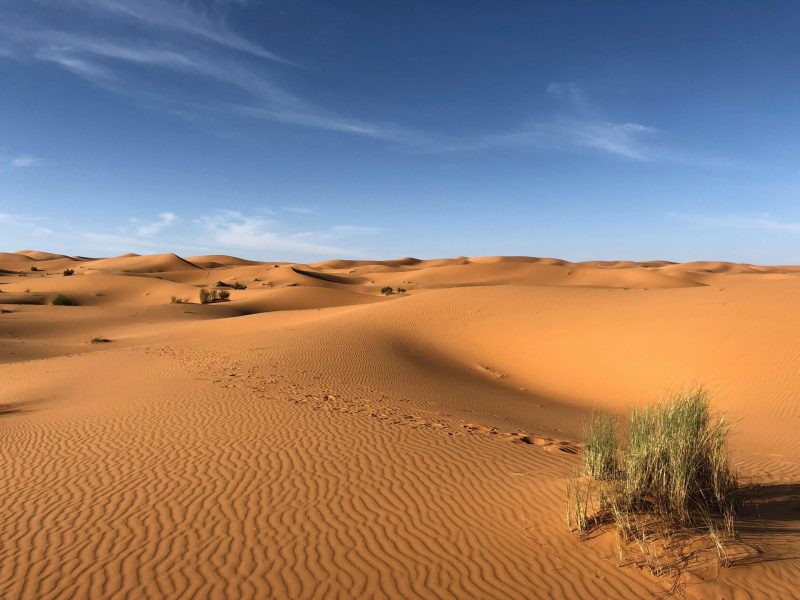
The Sahara Desert, one of the driest places on Earth with an average annual rainfall of just about three inches, may experience a striking transformation later this century. A new study…
A new study led by the University of Exeter warns that the world has crossed its first recognized climate "tipping point", as coral reef ecosystems enter a state of widespread…

Global conservation groups, scientists and beekeepers are sharply divided over whether to ban the deliberate release of genetically engineered organisms into the wild. Dozens of NGOs have urged the International…
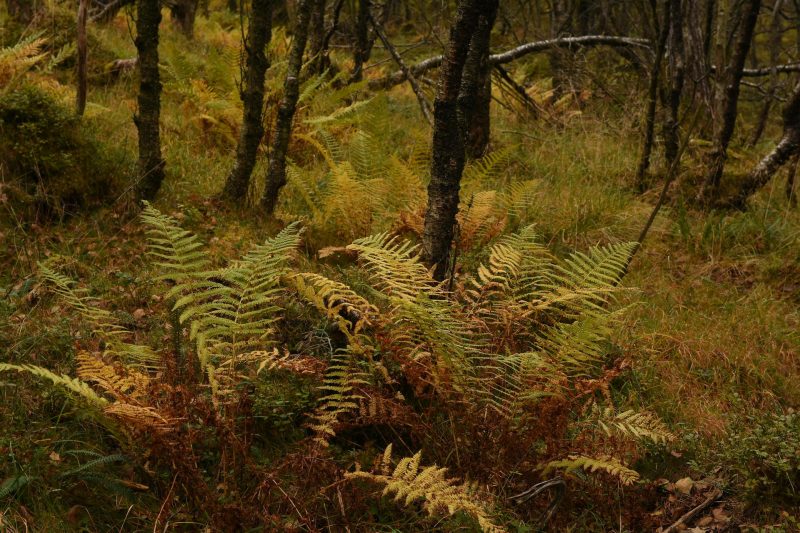
Trees naturally adapt to their environment—branches grow toward sunlight, while roots stretch toward water sources, sometimes even infiltrating underground pipes or household plumbing. While a single tree cannot move, entire…
A molehill may seem insignificant compared to a mountain, but over time, the burrowing, digging, and trampling activities of animals—such as moles, ants, earthworms, beavers, hippos, elephants, and many others—leave…