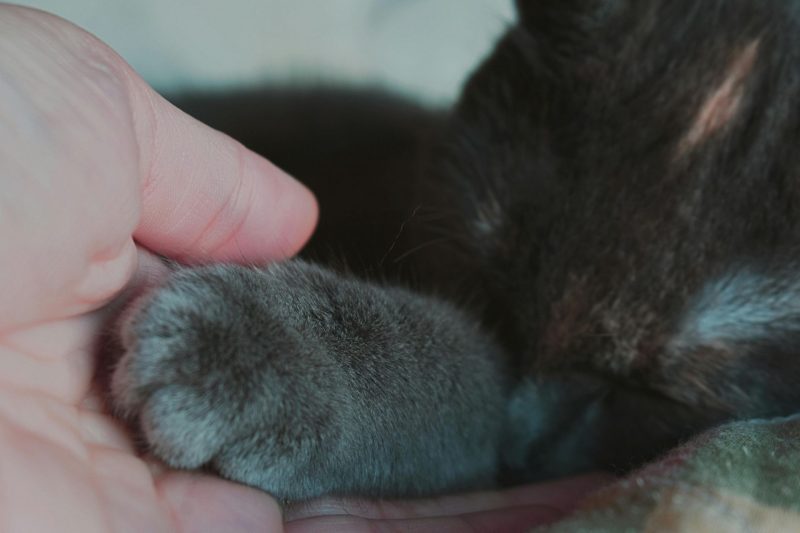
Scientists have observed that the paws of various mammals, including cats, dogs, and kangaroos, bear a resemblance to human hands, despite some differences in finger positioning and vestigial digits. Surprisingly, most mammals, as well as other vertebrates like birds, amphibians, and reptiles, possess a fundamental five-fingered structure. Even marine creatures like sea lions, seals, and whales have five fingers on their flippers.
Although there are exceptions to this pattern, such as birds with fused wing phalanges and horses with only one toe, these animals initially develop up to five digits as embryos, which gradually degenerate before birth.
The exact origin of the five-fingered pattern remains uncertain, but scientists believe that the first species with fingers emerged from fish approximately 360 million years ago. These early fingered creatures may have initially possessed as many as eight fingers. The prevalence of five-fingered structure among most living tetrapods, including mammals, suggests a common ancestry—a shared heritage of genes or structures from a distant forebear.
While this ancestral connection explains how mammals inherit the five-fingered trait and pass it on to subsequent generations, the question of why this pattern persists remains unanswered. One theory proposes that genetic variation plays a role in stabilizing and protecting a gene or trait from mutations over time, which could account for the prevalence of five fingers among diverse species.
In summary, the five-fingered structure found in mammals and other vertebrates, despite evolving in different environments, likely originated from a common ancestor. While the exact timing of this pattern's emergence remains unclear, genetic variation may contribute to its stability and prevalence across species.
Tags
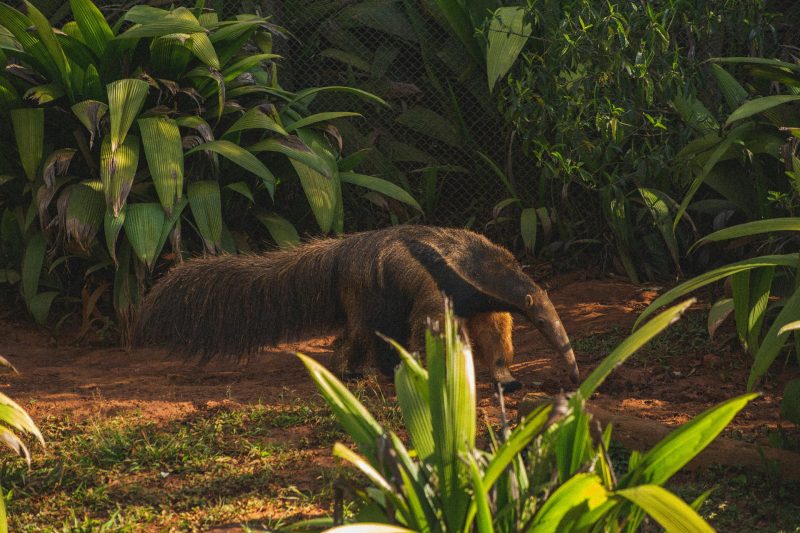
Mammals Have Evolved Ant- and Termite-Eating Adaptations at Least 12 Times Since Dinosaur Extinction
Since the extinction of non-avian dinosaurs 66 million years ago, mammals have independently evolved specialized adaptations for feeding on ants and termites at least 12 times. This finding, published in…
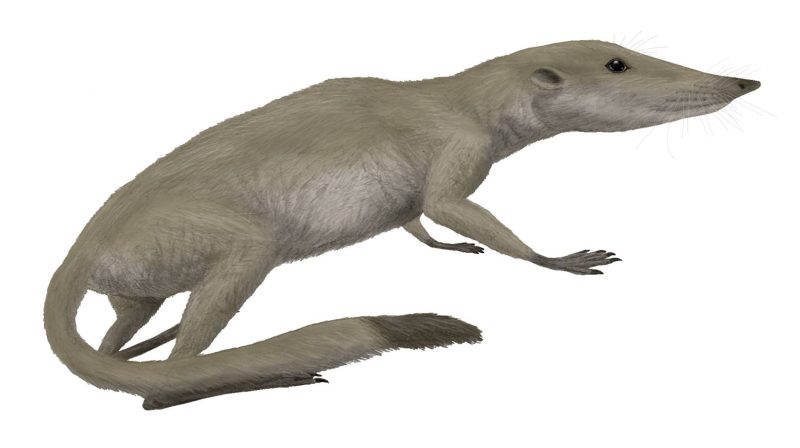
Scientists have long known that many dinosaurs sported brightly colored feathers. Now, a new study has shed light on the fur coloration of early mammals that once lived alongside them.…
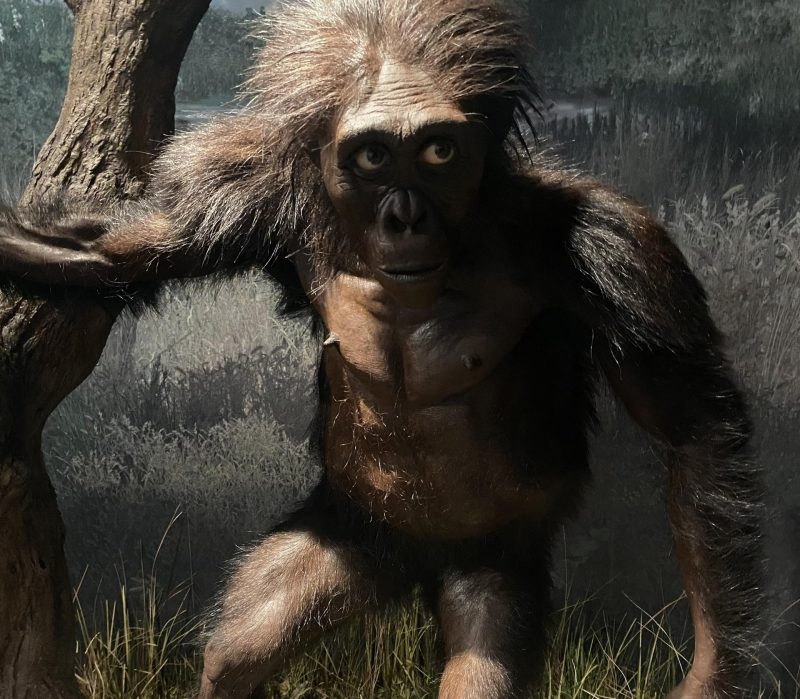
Researchers from the Max Planck Institute for Chemistry in Germany have published a groundbreaking study in Science revealing that Australopithecus, an early human relative, primarily adhered to a plant-based diet.…
When a dog shakes off water from its fur, this action is not random or meant to intentionally wet those nearby. Many furry mammals exhibit this instinctive reflex, including rodents,…