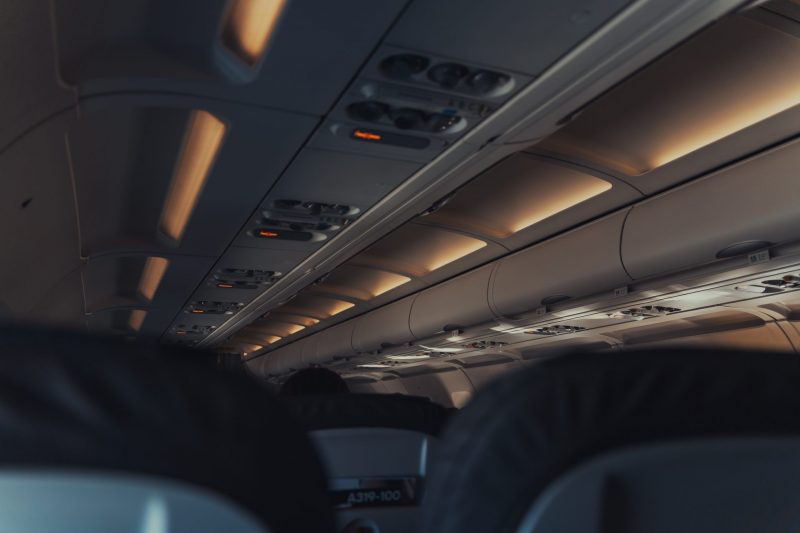
On May 20, a Singapore Airlines flight from London to Singapore experienced a sudden and severe bout of turbulence, causing the aircraft to drop more than 1,800 meters. The incident resulted in the tragic death of a 73-year-old passenger and left over 70 individuals injured. While such occurrences are uncommon, they raise concerns regarding the causes of such intense disturbances and whether climate change will contribute to increased frequency and severity of turbulence experienced by aircraft.
Scientists liken the experience of encountering strong turbulence without wearing a seat belt to riding a roller coaster without any protection.
Turbulence, to varying degrees, is a common phenomenon during most flights. In proximity to the ground, turbulence can be caused by strong winds around airports, particularly during takeoff and landing. At higher altitudes, turbulence can be attributed to vertical air currents within storm clouds, ranging from mild to severe. Turbulence occurring outside of clouds is referred to as "clear-air turbulence."
A study published last year revealed a significant rise in clear-air turbulence between 1979 and 2020. In the North Atlantic region, instances of strong clear-air turbulence were found to be 55% more frequent. This escalation is largely attributed to climate change, which intensifies the jet streams responsible for turbulence. Another study suggests that clear-air turbulence in the vicinity of clouds and mountains will become more frequent as climate change progresses.
While turbulence is expected to increase, it is important to note that the majority of flights will still mainly encounter mild or moderate turbulence. Scientists speculate that the duration of severe turbulence could potentially double.
Traditional radar systems are unable to detect turbulence in clear skies devoid of clouds, but LiDAR (Light Detection and Ranging) technology may offer a solution. However, LiDAR is currently expensive and necessitates bulky devices. If the technology can be miniaturized and made more affordable, it could be implemented in the near future. Scientists anticipate that this technology could detect clear-air turbulence up to 30 kilometers ahead of an aircraft.
Until then, the most effective precaution for passengers is to ensure they wear their seat belts at all times during travel.
Tags
The Sahara Desert, one of the driest places on Earth with an average annual rainfall of just about three inches, may experience a striking transformation later this century. A new study…

A new study led by the University of Exeter warns that the world has crossed its first recognized climate "tipping point", as coral reef ecosystems enter a state of widespread…
A new study led by the University of Reading challenges long-held assumptions about primate origins. For decades, scientists believed primates, including humans, emerged from warm, humid tropical forests. However, reanalysis…

A research team from The Hong Kong Polytechnic University has, for the first time, used Satellite Laser Ranging (SLR) technology to generate precise global records of ocean mass changes spanning…

Prochlorococcus, the most abundant microbe in the oceans, is facing a survival crisis due to global warming. This single-celled cyanobacterium, found across more than 75% of the ocean's surface waters,…

A new study from the University of Hong Kong, published in Nature Climate Change, has found that long-term exposure to extreme heat can accelerate organ aging and increase multiple health…