After approximately a year of warming in the eastern Pacific, El Niño finally dissipated in May 2024. This natural climate phenomenon resulted in several notable effects, including record ocean temperatures, extreme precipitation in Africa, and severe droughts in the Amazon Basin and Central America. Although the eastern Pacific is currently in a neutral phase as of July 2024, experts suggest that this relief may be temporary.
In the tropical latitudes of the eastern Pacific, the ocean surface undergoes periodic cooling or warming due to the strength of the trade winds. This phenomenon, known as El Niño, disrupts atmospheric circulation, leading to intensified rainfall in certain regions and drought in others.
However, even this moderate El Niño caused significant disruptions to the global climate. Precipitation patterns in Africa were severely affected, with drought impacting the southern region and substantial crop losses occurring in Zambia, while devastating floods plagued the Horn of Africa. The Amazon experienced severe drought, resulting in understory fires in the northern state of Roraima. El Niño also contributed to heat stress on coral reefs, heavy precipitation along the U.S. West Coast, and wildfires in Indonesia.
El Niño often coincides with the warmest years in the global temperature record. The combination of warm sea surface temperatures and the long-term warming trend caused by greenhouse gases led to a significant temperature increase in 2023, setting a new high-temperature record. According to scientists at NASA's Goddard Institute for Space Studies (GISS), monthly temperatures set records from May 2023 to May 2024, marking an unprecedented 12-month streak. Prior to this, the 2015-2016 El Niño lasted for seven months.
As of May 2024, the easterly trade winds have returned, restoring sea surface temperatures (and sea surface heights) in the eastern Pacific to normal levels. The Climate Prediction Center of the National Oceanic and Atmospheric Administration (NOAA) estimates that these neutral conditions will persist through August. They also predict a 70% chance of La Niña developing between August and October, which is expected to extend into the northern hemisphere winter.

Tags
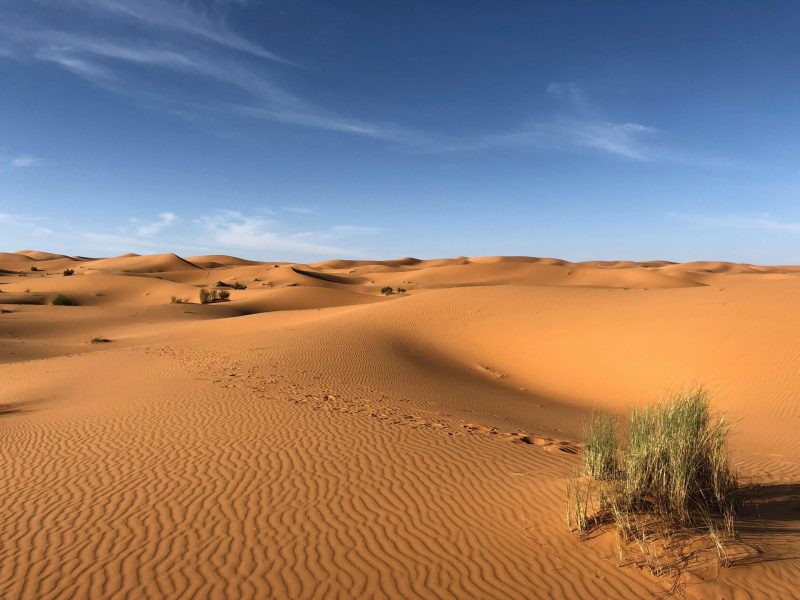
The Sahara Desert, one of the driest places on Earth with an average annual rainfall of just about three inches, may experience a striking transformation later this century. A new study…
A new study led by the University of Exeter warns that the world has crossed its first recognized climate "tipping point", as coral reef ecosystems enter a state of widespread…
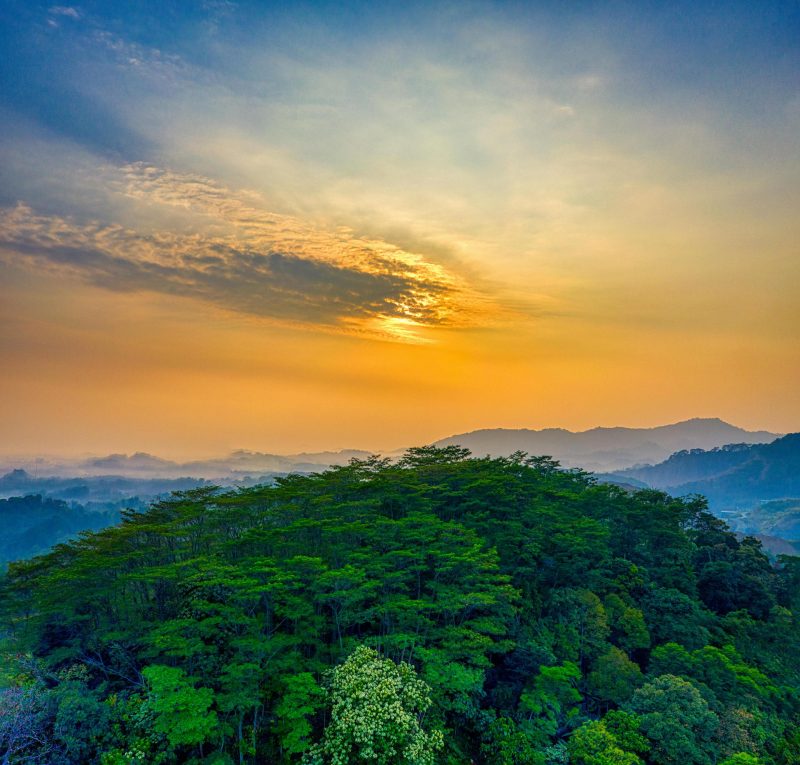
A new study led by the University of Reading challenges long-held assumptions about primate origins. For decades, scientists believed primates, including humans, emerged from warm, humid tropical forests. However, reanalysis…
A research team from The Hong Kong Polytechnic University has, for the first time, used Satellite Laser Ranging (SLR) technology to generate precise global records of ocean mass changes spanning…

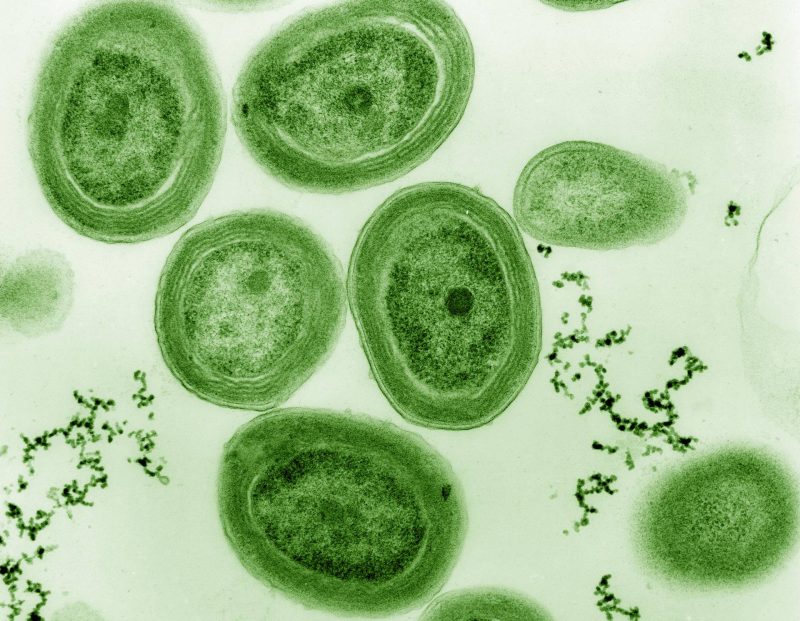
Prochlorococcus, the most abundant microbe in the oceans, is facing a survival crisis due to global warming. This single-celled cyanobacterium, found across more than 75% of the ocean's surface waters,…
A new study from the University of Hong Kong, published in Nature Climate Change, has found that long-term exposure to extreme heat can accelerate organ aging and increase multiple health…