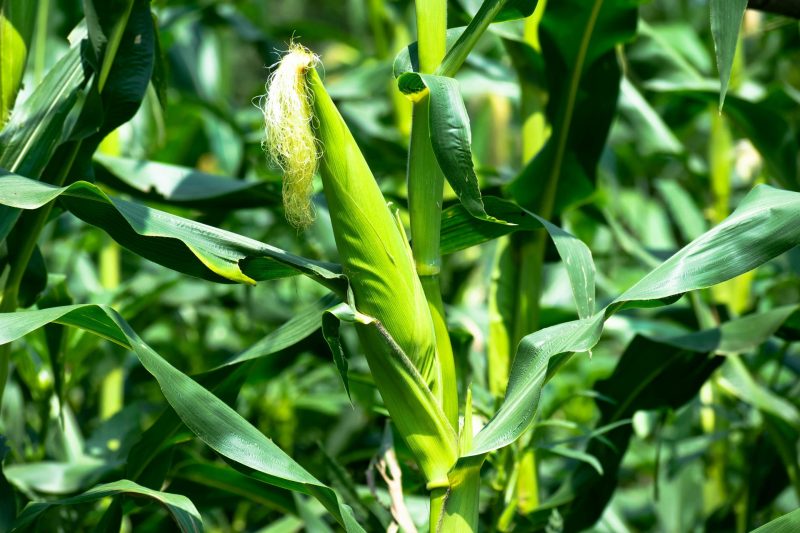
Researchers from the University of York and the University of Copenhagen have reconstructed the genome of maize dating back approximately 1000 years, unveiling a close genetic connection between maize from an archaeological site in Arkansas, USA, and modern varieties of northern flint corn. This discovery provides new clues to the spread of one of the world's most important cereal crops.
These cold-tolerant maize varieties adapted to chilly environments are ancestors of crucial commercial maize varieties grown extensively worldwide. Researchers highlight that amidst pressures on global food supply and climate change challenges to crop health, understanding the origins of maize and its dissemination across different geographical regions may help in discovering new methods to sustain and improve modern crops.
The study found that during maize's journey from the southwestern United States through the Great Plains, some genes underwent selection, notably the gene called waxy1. Genetic variations in the waxy1 gene determine the stickiness and chewiness of maize, traits that remain significant in certain traditional cooking practices, such as in the preparation of sticky rice or certain types of cornmeal.
Furthermore, the research indicates that ancient farmers from a millennium ago engaged not only in cultivation and harvesting but also in enhancing grain quality by selecting for desirable traits, a practice not fundamentally different from that of contemporary farmers.
Unveiling the Genetic Heritage of Maize: A 1000-Year Journey
Tags
A large-scale genetic study published in Nature Medicine has uncovered a surprising paradox: a gene mutation known to cause severe obesity appears to significantly reduce the risk of heart disease…

The Sahara Desert, one of the driest places on Earth with an average annual rainfall of just about three inches, may experience a striking transformation later this century. A new study…
A new study led by the University of Exeter warns that the world has crossed its first recognized climate "tipping point", as coral reef ecosystems enter a state of widespread…

Humans can distinguish up to a trillion different odors—yet this remarkable ability relies on only about 400 types of olfactory receptor proteins. Because these receptors are notoriously difficult to express…

Global conservation groups, scientists and beekeepers are sharply divided over whether to ban the deliberate release of genetically engineered organisms into the wild. Dozens of NGOs have urged the International…
Tens of millions of years before humans developed agriculture, termites had already evolved advanced farming systems—cultivating fungi inside their nests as a primary food source. Much like human farmers, these…