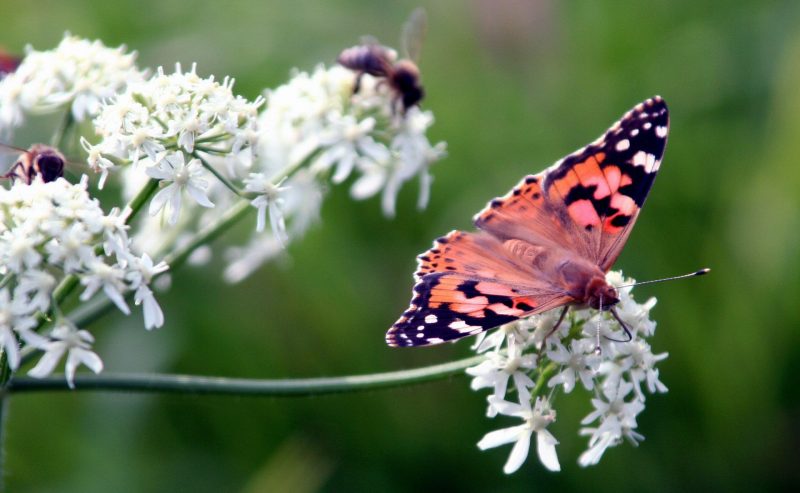
Hemolymph, the blood-like fluid found in invertebrates like insects, lacks red blood cells, hemoglobin, and platelets. Instead, it contains hemocytes, amoeba-like cells. One intriguing aspect of hemolymph is its ability to rapidly clot outside the body, effectively stopping bleeding. However, the mechanism behind this process has remained a mystery. Recently, a team of materials scientists from Clemson University in the United States shed light on this phenomenon in a paper published in the journal "Frontiers in Soft Matter" on the 27th. Their research focused on tobacco hornworm larvae and their remarkable ability to halt bleeding quickly. This discovery holds promise for potential applications in human medicine and the development of new drugs.
Tobacco hornworm larvae can heal wounds within a minute, employing a two-step process. Within approximately 5 seconds after bleeding begins, the thin, watery hemolymph undergoes a transformation, becoming viscous and elastic. Within the next 10 seconds, significant changes occur: instead of dripping instantly, the hemolymph forms falling fluid drops connected by long bridges resembling slime strings. Due to its elasticity, the hemolymph at the lower end of the drop retracts into the wound.
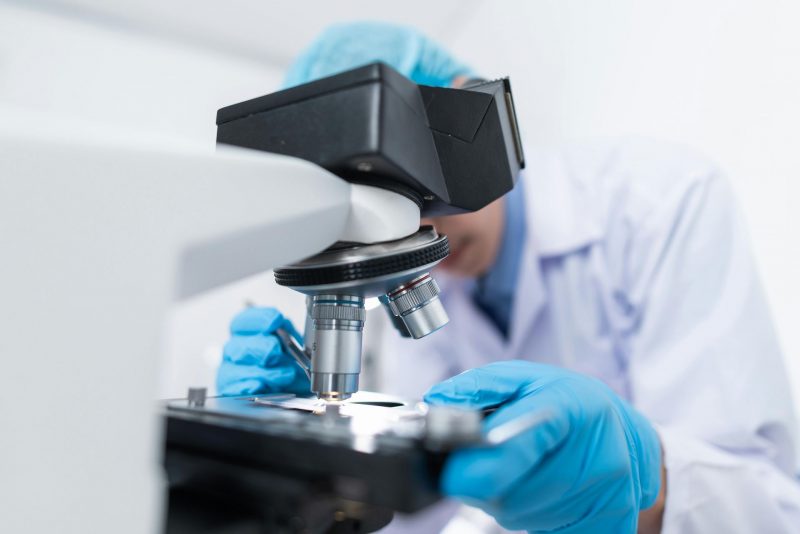
To delve deeper into the cellular processes involved in forming crusts that stop bleeding, the researchers employed optical phase contrast and polarization microscopy, X-ray imaging, and materials science modeling. Interestingly, they discovered that the process of stopping bleeding is consistent across 18 other insect species as well.
These findings offer valuable insights into the development of fast-acting blood thickeners for humans. The researchers advocate for focusing on designing drugs that can convert blood into hemostatic viscoelastic materials, rather than attempting to replicate the precise biochemistry of insects.
Tobacco Hornworm Larvae Unveil Mechanism to Rapidly Stop Bleeding
Tags
Recent studies reveal that insect populations are rapidly decreasing, sparking widespread concern about the environmental and ecological implications. While intensive agriculture has often been identified as a leading cause, a…
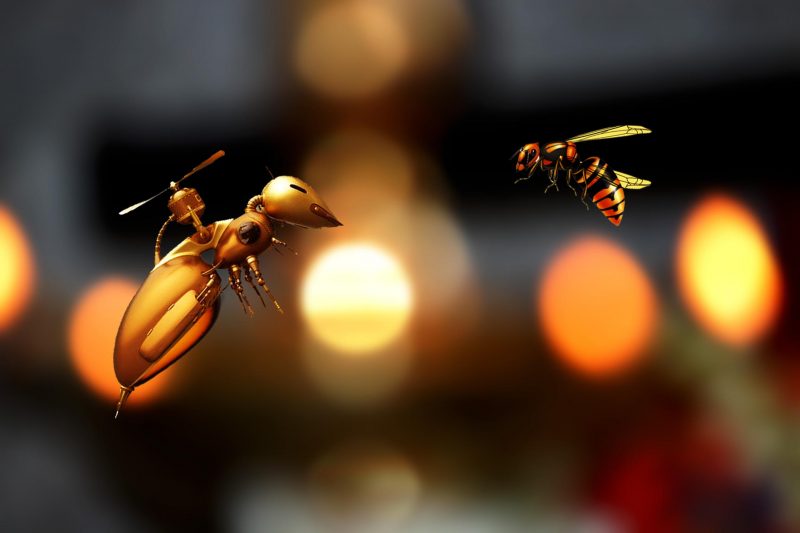
Researchers at the Massachusetts Institute of Technology (MIT) are developing robotic insects that could one day swarm out of mechanical hives to efficiently and precisely pollinate fruits and vegetables. The…
As summer approaches, the levels of a rising pollutant, ozone, can hinder insects' ability to locate compatible mates, in addition to being a greenhouse gas.
Scientists from the United Kingdom and the United States have made a significant discovery regarding the impact of artificial light on insects. Their research suggests that artificial light disrupts insects'…
For millions of years, plants and pollinating insects have maintained a symbiotic relationship. Plants produce nectar to attract insects for pollination, while insects facilitate the pollination process for plants. However, scientists…