Avoid drinking early morning or late night
Drinking alcohol on an empty stomach in the morning can increase the risk of getting drunk and harm the body. This is due to the lowest concentration of enzymes and alcohol dehydrogenase in the stomach that break down alcohol at this time, leading to higher absorption of the same amount of alcohol and higher blood alcohol concentration. This can cause significant damage to the body, particularly the liver. It is recommended to avoid drinking on an empty stomach and instead eat a meal before consuming alcohol, because food can help slow down the absorption of alcohol and reduce the risk of harm to the body.
Avoid drinking when experiencing negative emotions
When a person is angry, their face may become flushed, their head may feel agitated and dizzy, and their heart rate may increase. Drinking alcohol during this time can exacerbate these physical symptoms and impair judgement, potentially leading to poor decision-making and regrettable actions.
Furthermore, alcohol is often used as a coping mechanism for sadness or grief, but in reality, it can worsen mood and lead to further negative consequences.
It is important to be mindful of the effects of alcohol on both physical and emotional well-being and to avoid drinking during times of intense emotions.
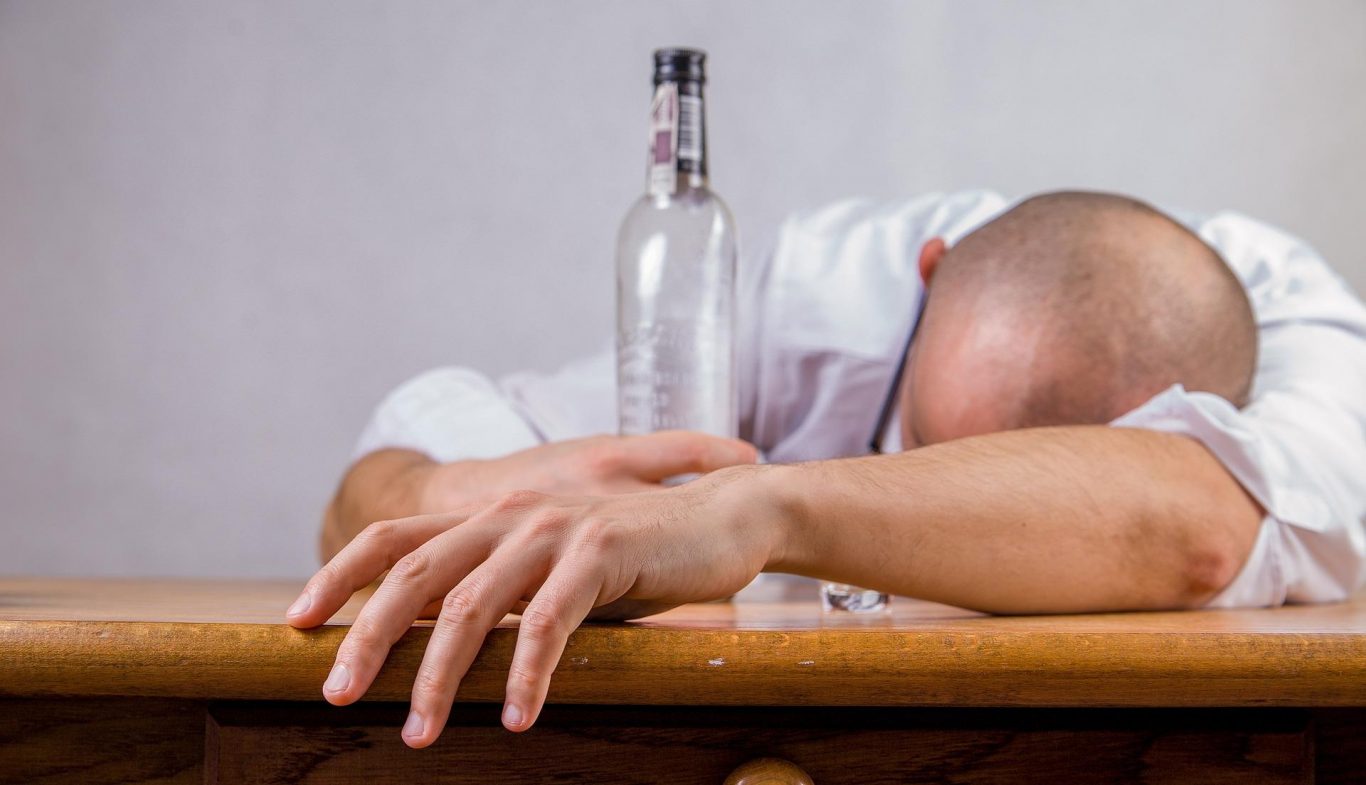 Image Credit: Michal Jarmoluk
Avoid drinking right after medicine
Drinking alcohol while taking sleeping pills, sedatives, or cold medicines can be especially dangerous. Neuroleptics such as chlordiazepoxide, promethazine, perphenazine, diazepam, and lorazepam, as well as antiallergic drugs like chlorpheniramine, cyproheptadine, and diphenhydramine, can also have synergistic effects on the central nervous system when combined with alcohol. These interactions may cause mild drowsiness or, in severe cases, lower blood pressure, induce coma, or even cause respiratory depression and death. It is important to avoid drinking alcohol while taking these medications and to consult with a healthcare professional if you have any questions or concerns.
Avoid drinking when sick
When you are sick, it is important to avoid drinking alcohol for several reasons.
First, alcohol can interfere with the effectiveness of medication used to treat illnesses, making it harder for your body to recover. Additionally, alcohol can lead to dehydration, which can be especially problematic if you are already dehydrated due to vomiting or diarrhea.
Second, alcohol has been shown to weaken the immune system, making it harder for your body to fight off infections and illnesses, and increasing the risk of developing secondary infections or complications.
Finally, drinking alcohol can slow down the natural healing process of the body, making it harder to recover from illnesses and infections.
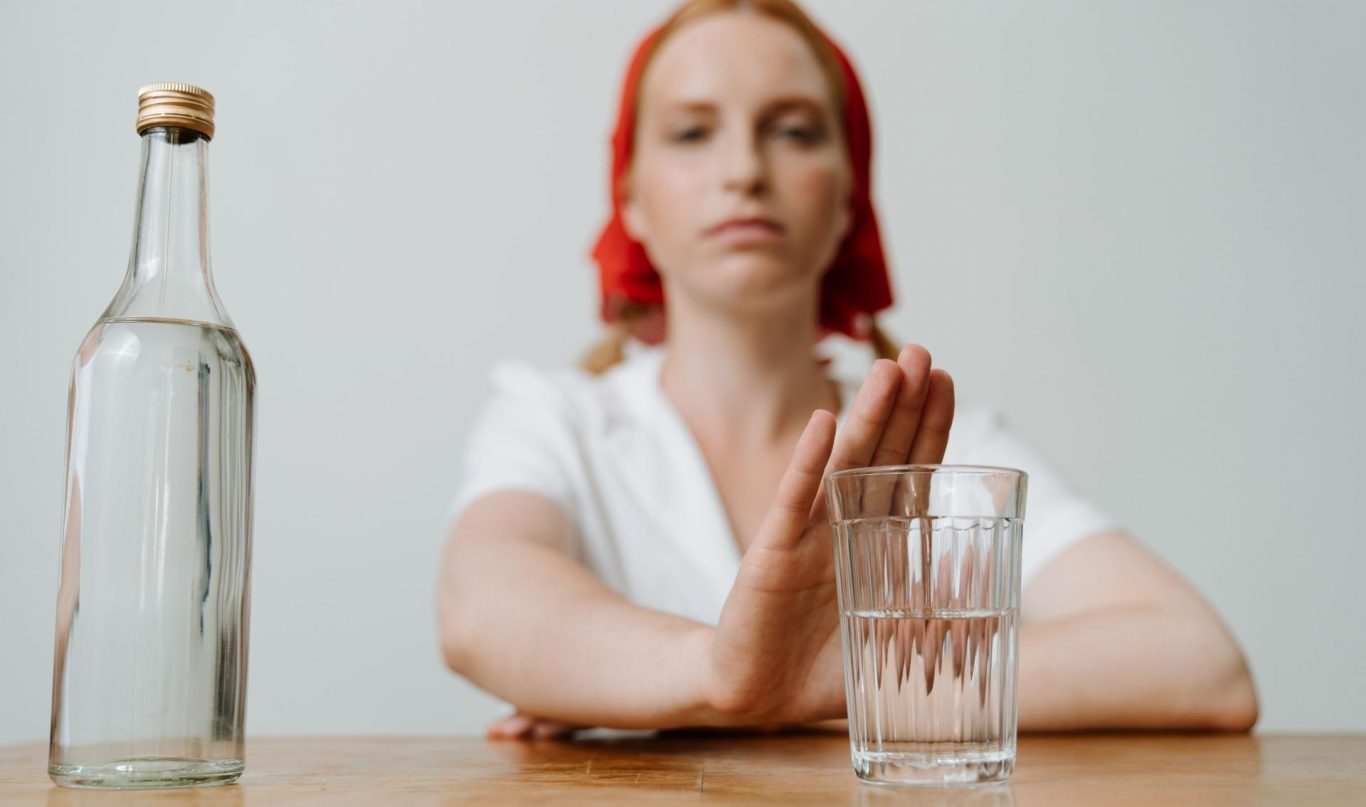 Image Credit: cottonbro studio
Avoid drinking when pregnant
Drinking alcohol during pregnancy can have serious and potentially lifelong consequences for the baby. Fetal Alcohol Spectrum Disorder (FASD) is a term used to describe a range of physical, cognitive and behavioral problems that can occur when a baby is exposed to alcohol during pregnancy. FASD can cause developmental delays, learning disabilities, behavioral problems, and physical abnormalities that may be irreversible. Even if a baby is not born with FASD, drinking alcohol during pregnancy can still cause long-term developmental problems.
In addition to those risks, drinking alcohol during pregnancy may increase the risk of miscarriage and stillbirth, particularly if consumed during the first trimester. It can also increase the risk of low birth weight and preterm birth, which can lead to a range of health problems for the baby.
To protect the health and well-being of the baby, it is strongly recommended that pregnant women avoid drinking alcohol altogether.
Avoid mixing different types of alcohol
Avoid mixing different types of alcoholic beverages, such as baijiu, red wine, and beer. These drinks are made with different brewing materials, and mixing them can result in adverse chemical reactions in the body, causing physical damage. Mild cases may cause discomfort in the spleen and stomach, while severe cases can induce more serious symptoms. It is important to stick to one type of alcohol when drinking and to drink in moderation to reduce the risk of harm to the body.

Tags
Over 10 million years ago, ancient African apes gained extra nutrition by eating fallen, fermented fruit—a behavior that may have laid the evolutionary foundation for humans' alcohol tolerance. A recent…

Over 80 exhibitors are showcasing more than 1,000 products — including Japanese sake, plum wine, and beer — at the ongoing Japan Sake Month, the largest Japanese sake trade fair…

Earlier this year, the U.S. Surgeon General released a report warning that alcohol consumption increases the risk of at least seven types of cancer and called for cancer warning labels…
As we grow older, our bodies undergo physiological changes that affect our ability to process alcohol, highlighting the importance of moderate drinking among older individuals. Understanding these changes can help…

1. Lychee Consuming lychees on an empty stomach can potentially lead to acute neurological conditions, potentially triggering hypoglycemia and epilepsy in some individuals. The caution is particularly relevant for sensitive individuals,…
Avoid strong tea after drinking Tea and alcohol can both have stimulating effects on the cardiovascular and cerebrovascular systems of the human body. While tea can help keep the heart in…