As we grow older, our bodies undergo physiological changes that affect our ability to process alcohol, highlighting the importance of moderate drinking among older individuals. Understanding these changes can help mitigate health risks associated with alcohol consumption.
One significant factor contributing to the decline in older people's drinking capacity is bodily changes. With age, some individuals tend to gain more body fat and lose muscle mass, resulting in reduced overall body water content.
Since alcohol dissolves in water, a decrease in body water content coupled with excessive alcohol intake leads to a higher blood alcohol content (BAC). A 2023 report from Kidney Research and Clinical Practice reveals that men and women over 60 experience a significant drop in the percentage of body water, intensifying the effects of alcohol consumption.
Furthermore, the liver becomes less efficient in processing alcohol as people age, which prolongs the presence of alcohol in the body and heightens its impact. Consequently, alcohol's effects on the brain are more pronounced in older individuals, impairing coordination, balance, and cognitive function, thereby increasing the risk of accidents and falls.
Excessive alcohol consumption among older individuals can exacerbate age-related conditions such as high blood pressure and heart disease. Additionally, it may contribute to the development or worsening of mental health disorders like depression and anxiety.
Moreover, alcohol can interact negatively with medications commonly prescribed to older individuals, including diabetes medications, blood thinners, and sedatives. Combining alcohol with these medications can amplify medication side effects or reduce their effectiveness.
It is crucial for older individuals to be aware of these physiological changes and the potential risks associated with alcohol consumption. Practicing moderation and seeking medical advice regarding alcohol use can help promote better health outcomes in this age group.
Alcohol and Aging: The Importance of Moderate Drinking for Older Adults
Tags
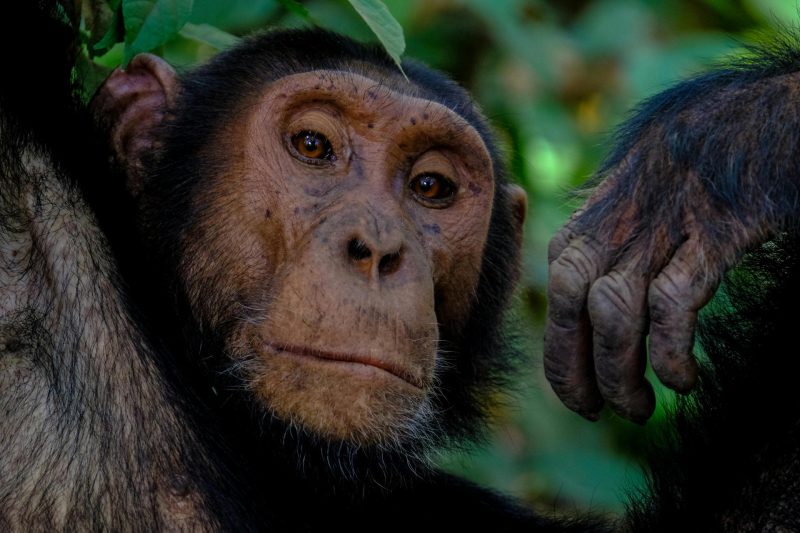
Over 10 million years ago, ancient African apes gained extra nutrition by eating fallen, fermented fruit—a behavior that may have laid the evolutionary foundation for humans' alcohol tolerance. A recent…
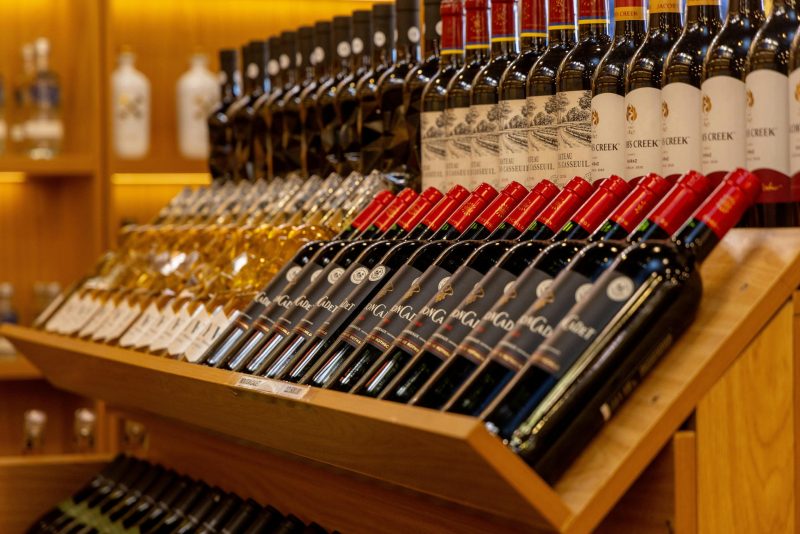
Over 80 exhibitors are showcasing more than 1,000 products — including Japanese sake, plum wine, and beer — at the ongoing Japan Sake Month, the largest Japanese sake trade fair…
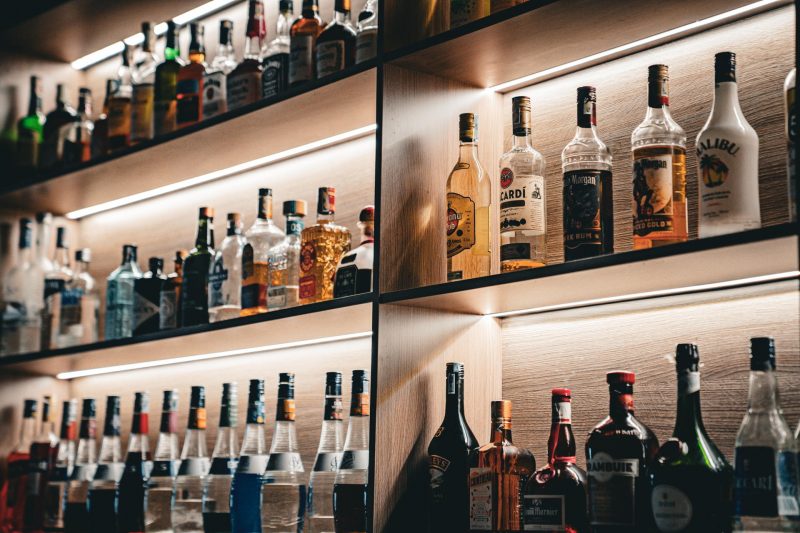
Earlier this year, the U.S. Surgeon General released a report warning that alcohol consumption increases the risk of at least seven types of cancer and called for cancer warning labels…
A new study from the Leonard Davis School of Gerontology at the University of Southern California (USC) suggests that exposure to extreme heat may accelerate biological aging in older adults,…
A new study reveals that relying solely on air circulation from electric fans is insufficient to cool the elderly indoors during heatwaves. Researchers from Griffith University in Australia published a…