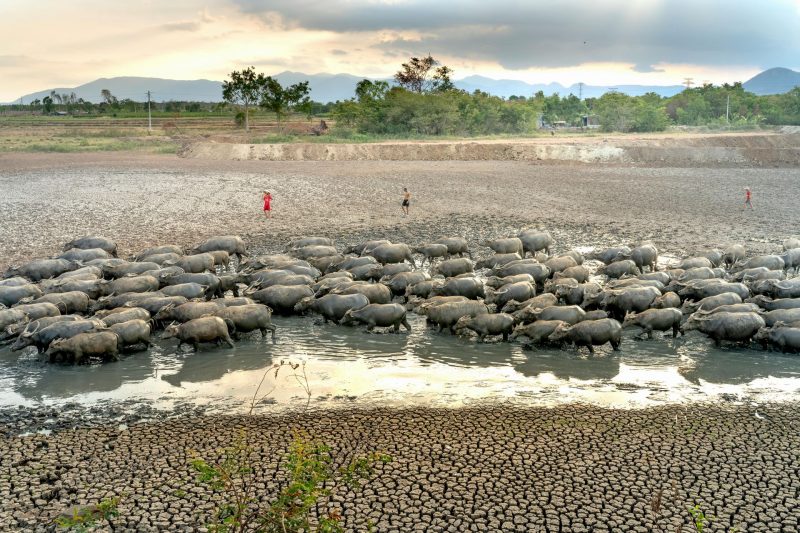
New research conducted by Dutch scientists reveals concerning projections for the availability of clean water sources in the coming decades. By 2050, it is predicted that one-third of the world's sub-basins will face severe water scarcity issues, potentially impacting an additional 3 billion people. Central Europe, North America, and Africa are expected to be particularly affected due to high levels of nitrogen pollution. The study, recently published in Nature Communications, emphasizes the urgent need to address water quality concerns in future water management policies.
The findings indicate that a combination of climate change, urbanization, and agricultural activities will contribute to increased water demand and pollution, thereby limiting water security. River basins, which serve as essential sources of drinking water and hubs for economic and urban growth, are at risk of contamination from various sources, including sewer lines and non-point source pollution from surrounding agricultural and land-use practices. The simultaneous occurrence of these pollution sources poses significant challenges for effective control and management.
Researchers from Wageningen University conducted an analysis of river basins worldwide, taking water quality into account. They observed that nitrogen pollution plays a significant role in exacerbating water stress in river basin systems. The study indicates that future global nitrogen pollution could lead to water shortages in three times as many sub-basins as currently experienced. In fact, 2,517 sub-basins are already identified as deficient in terms of both water quantity and quality, compared to only 984 sub-basins in 2010. By 2050, it is projected that 3,061 sub-basins will be at risk of facing water scarcity issues, impacting water resources for an additional 3 billion people.
The researchers highlight the importance of incorporating water quality considerations into future water resource assessments by policymakers. While SDG 6 aims to ensure clean drinking water, it is crucial to recognize the interconnections between pollution control measures associated with UN Sustainable Development Goal 2 (agriculture) and their potential positive effects on water pollution and the protection of water sources.
Severe Water Scarcity Threatens 3 Billion People by 2050, Study Warns
Tags
For years, biochar was seen mainly as a passive material—removing contaminants from water by adsorption or serving as a support for catalysts. However, new research has revealed that biochar itself…
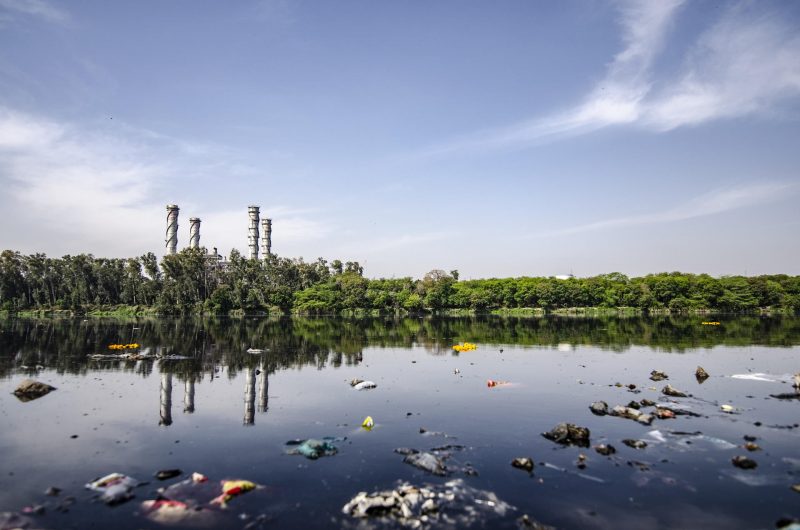
A new study published in Nature reveals that air pollution may drive cancerous mutations in lung cells—even among individuals who have never smoked. Scientists found that residents of highly polluted…

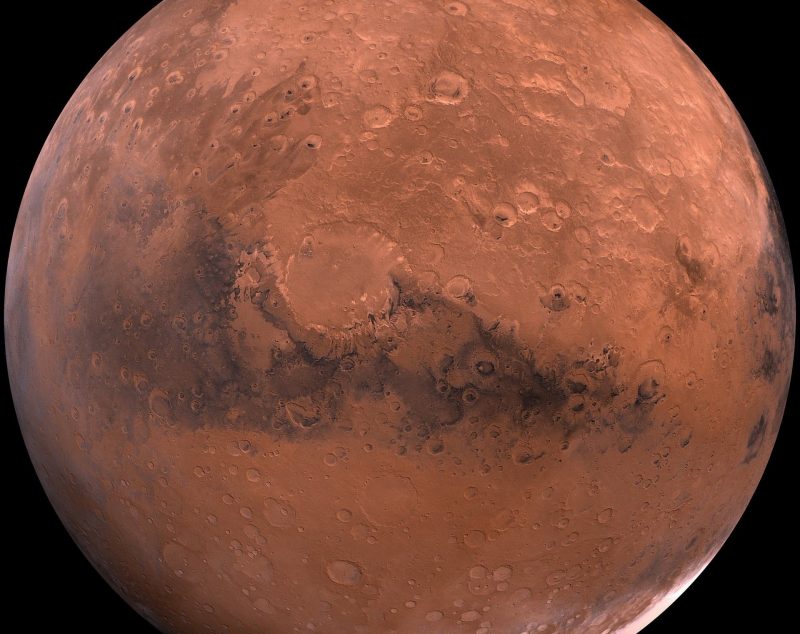
For years, dark streaks observed on the surface of Mars were thought to be potential evidence of liquid water, sparking discussions about the planet's habitability. However, a new study suggests…
A research team from Rice University and Baylor College of Medicine has developed a groundbreaking method for detecting soil pollutants, capable of identifying harmful substances that have never been isolated…

A study led by McGill University in Canada warns that millions of kilometers of rivers worldwide are contaminated with antibiotics at levels high enough to exacerbate antimicrobial resistance and harm…
Researchers have developed a novel sponge-like device that can extract moisture from the air and release it into a container using solar energy. Unlike traditional fog-harvesting or radiative cooling techniques,…
