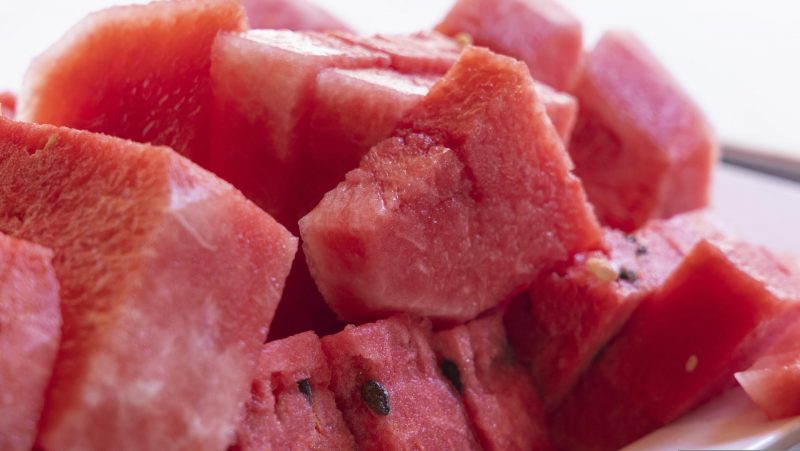
Watermelon is a summer favorite for many people, but what about frozen watermelon? how does it taste, is it safe to eat, and does it still retain its nutritional value? Here's what you need to know.
Frozen watermelon may not taste as good as fresh watermelon. Freezing can damage the texture of the watermelon, making it difficult to eat when it's frozen just because it's too hard. Additionally, the tissue state of the watermelon may be destroyed after thawing, which can affect the taste. However, taste is sorta subjective, so some people may still enjoy frozen watermelon.
There is a common misconception that bacteria will multiply in watermelon left in the refrigerator overnight. However, the key factor in determining whether frozen watermelon can be eaten overnight is the number of pathogenic bacteria. To reduce bacteria, it's important to keep your hands and knives clean when cutting watermelon and to cover it with plastic wrap or put it in a fresh-keeping box then refrigerate it as soon as possible.
Freezing watermelon does not destroy its nutritional value. In fact, the freezing and low temperature environment can inhibit the respiration and biochemical reactions of watermelon, which can help retain its nutrients. However, it's important to note that each person has a different tolerance to cold. For people with intestinal intolerance, it's best to avoid eating frozen watermelon.
Overall, frozen watermelon can still be nutritious and safe to eat if proper precautions are taken. While fresh watermelon is always the best option, frozen watermelon can be a refreshing and enjoyable treat when consumed in moderation and with care.
Tags
Over 10 million years ago, ancient African apes gained extra nutrition by eating fallen, fermented fruit—a behavior that may have laid the evolutionary foundation for humans' alcohol tolerance. A recent…

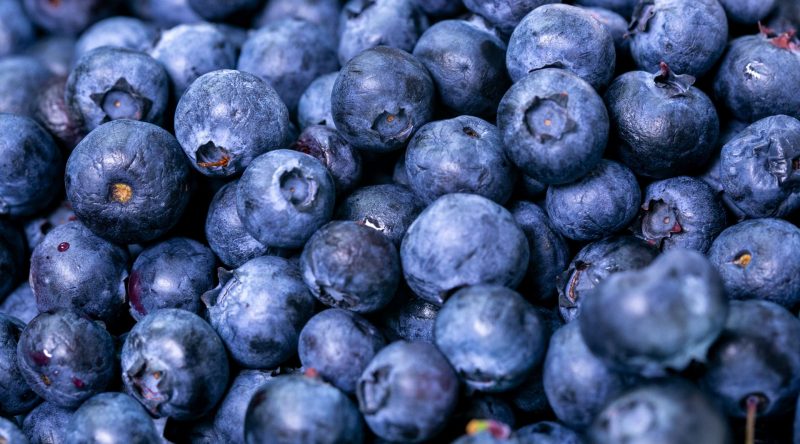
According to a recent article published in Science Advances on the 7th, researchers from the University of Bristol in the UK have made an interesting discovery about the blue color…
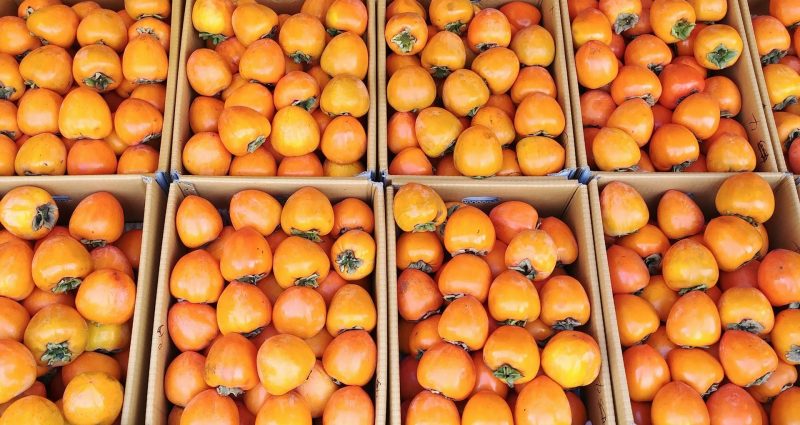
Pagoda Industrial Group, a prominent Chinese fruit retailer, has recently commenced the sale of Spanish persimmons, taking advantage of the relaxation of import regulations. According to a report from Shanghai Securities…
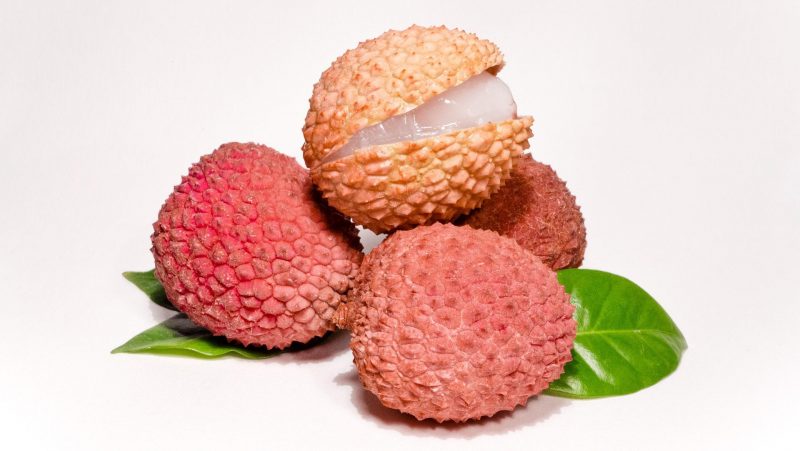
Sweet Dangers Behind Lychee, 3 Suggestions for Safely and Healthily Consuming Litchi Fruit
Lychee, also known as litchi, is a sweet tropical fruit that belongs to the Soapberry family (Sapindaceae), which contains two types of toxins that can cause hypoglycemia (low blood sugar)…