Collecting water from the air and reducing humidity are crucial for achieving a more comfortable life. Water-absorbing polymers have played a key role in atmospheric water harvesting and desiccant air conditioning, but the challenge of effectively regenerating these polymers through desorption has persisted. Now, researchers at Osaka City University in Japan have discovered a more efficient method for desorbing these polymers.
Typically, desorbing these polymers requires heat around 212°F, but the researchers have developed a liquid water adsorbent that can accomplish this at just about 95°F. This has been achieved by utilizing a random copolymer of polyethylene glycol and polypropylene glycol, where polyethylene glycol exhibits better water adsorption while polypropylene glycol has slightly lesser water adsorption capabilities.
The differences in their hydrophilic properties create a transfer mechanism that facilitates the breakdown of water clusters, making water release easier. This technology not only holds potential for water supply in arid and energy-constrained regions but also ensures access to water during disasters and emergencies.
Furthermore, advancements in this technology are expected to lead to reductions in greenhouse gas emissions and more efficient utilization of water resources. Looking ahead, researchers will focus on enhancing the liquid water adsorbent, improving the overall system efficiency to realize its practical application.
Innovative Method Enhances Water Desorption for Sustainable Water Collection
Tags
For years, biochar was seen mainly as a passive material—removing contaminants from water by adsorption or serving as a support for catalysts. However, new research has revealed that biochar itself…
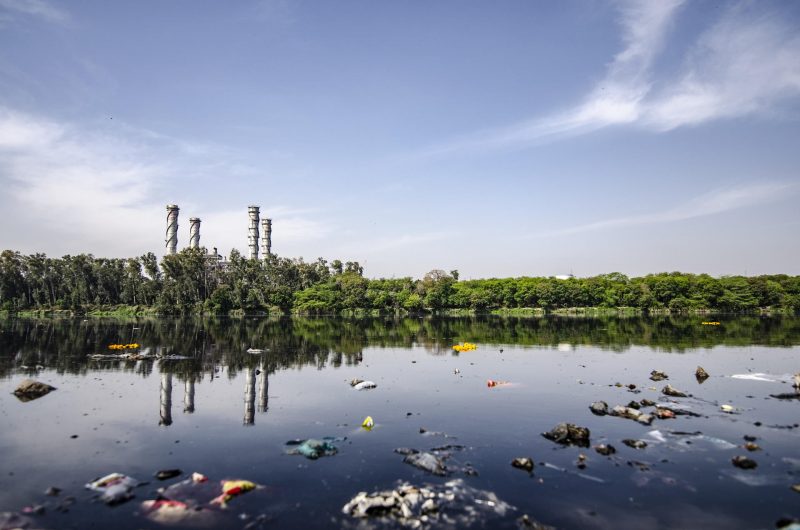
For years, dark streaks observed on the surface of Mars were thought to be potential evidence of liquid water, sparking discussions about the planet's habitability. However, a new study suggests…
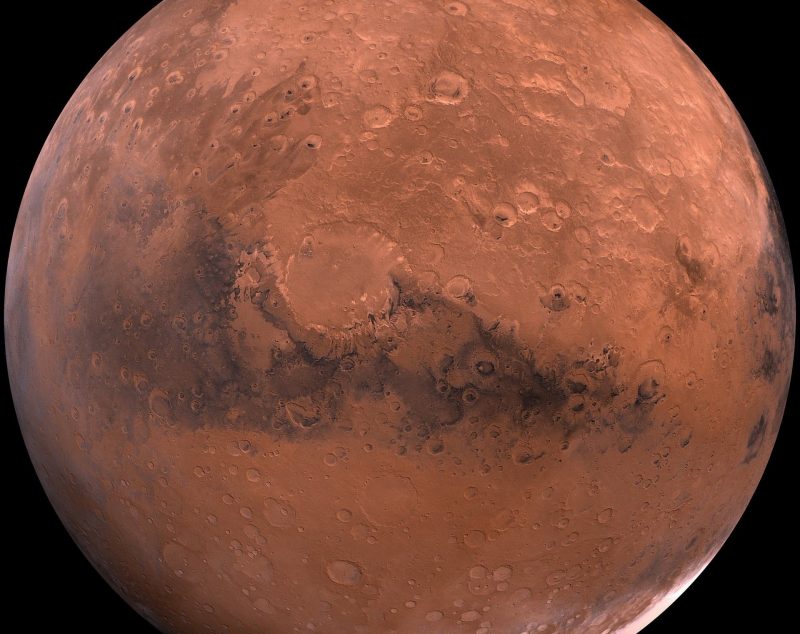
Researchers have developed a novel sponge-like device that can extract moisture from the air and release it into a container using solar energy. Unlike traditional fog-harvesting or radiative cooling techniques,…

MIT Engineers Develop Breakthrough Dual-Network Metamaterial Combining Strength and Flexibility
For years, the design of metamaterials has pursued ever-greater strength, often at the expense of flexibility. Now, engineers at the Massachusetts Institute of Technology (MIT) have developed an innovative metamaterial…
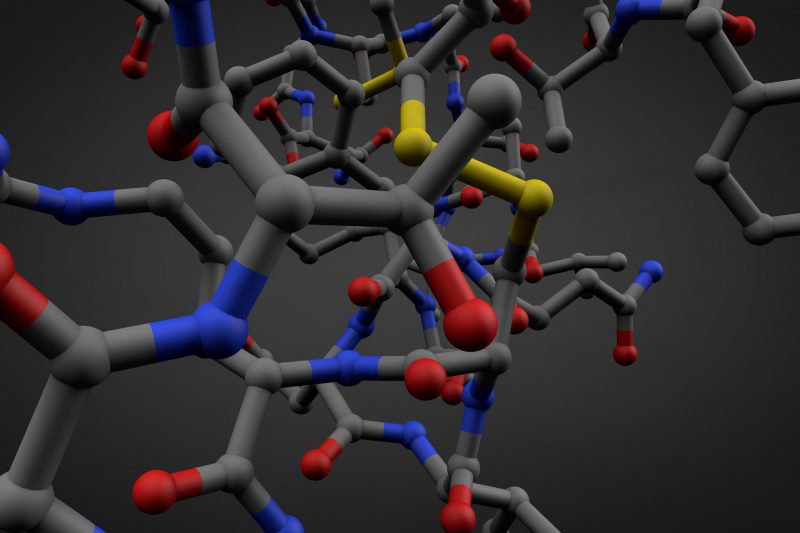
A groundbreaking study published in Science reveals that terrestrial water storage—comprising groundwater, soil moisture, and surface water—has been declining at an alarming rate since the start of the 21st century,…

When two materials come into contact, surface charge transfer can occur—like the static electricity generated when a balloon is rubbed against skin. Similarly, water flowing across certain surfaces can gain…