Recent research suggests that non-native species may have an advantage over native species during extreme climate events. Invasive plants and animals pose significant challenges to native wildlife and ecosystems worldwide. The increasing frequency and severity of extreme weather events, such as floods, droughts, storms, heat waves, and cold snaps, due to climate change further exacerbate the survival struggle for both native and non-native species.
In this study, researchers investigated the responses of 1,852 native and 187 non-native animal species across terrestrial, marine, and freshwater habitats to various extreme weather events. By analyzing the data, they aimed to understand the differential impact of these events on native and non-native populations, considering both the type of weather event and habitat type.
Overall, native species populations exhibited more negative responses to extreme weather events compared to non-native animal populations. However, the specific responses varied depending on the type of weather event and habitat.
Terrestrial and Freshwater Habitats
Native animals in terrestrial ecosystems demonstrated negative responses to heat waves, cold waves, and droughts. In contrast, non-native terrestrial animals were primarily affected by heat waves, while non-native freshwater animals showed susceptibility to storms. These findings highlight the vulnerability of native species in terrestrial and freshwater habitats to a range of extreme weather events.
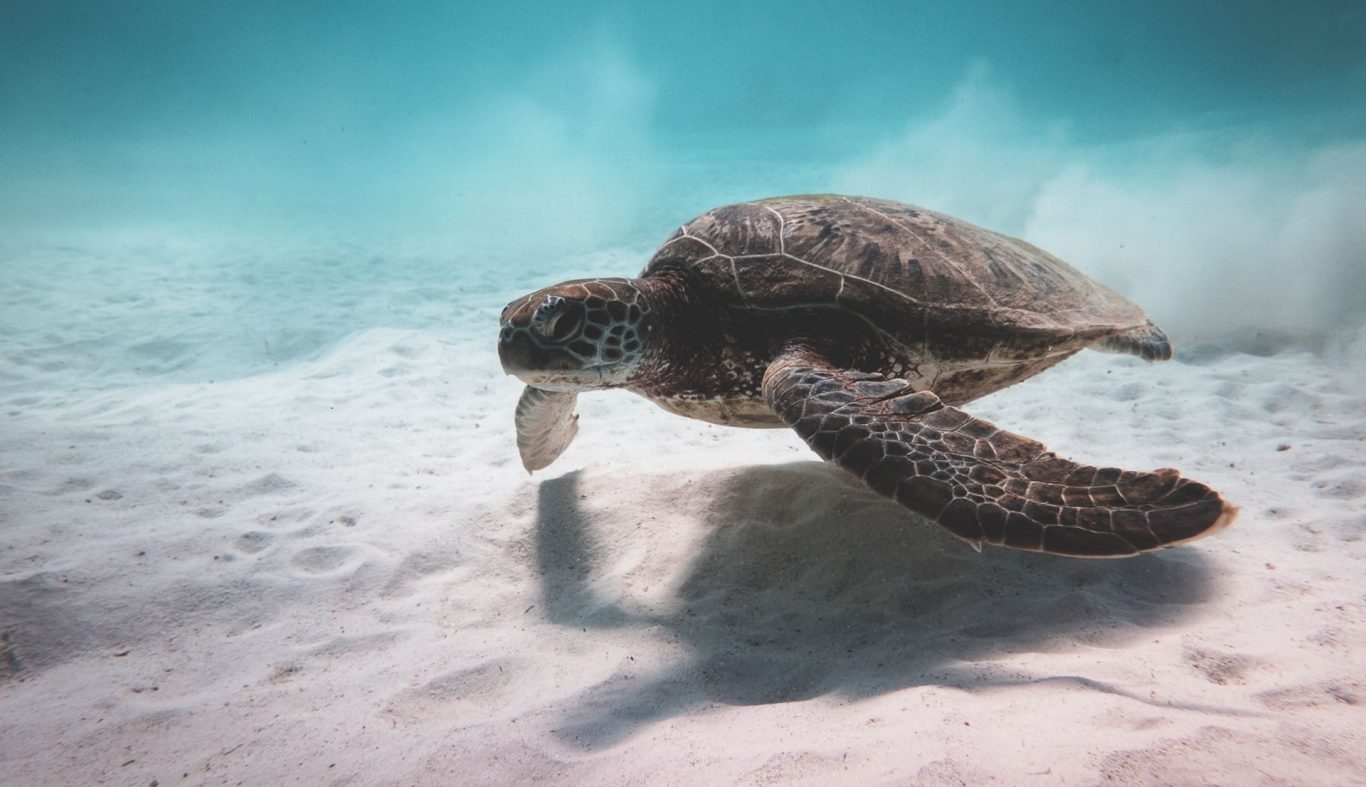 Image Credit: Lachlan Ross
Marine Habitat
Both native and non-native marine animals generally displayed lower sensitivity to extreme weather events. However, it is important to note that heat waves can negatively impact native mollusks, corals, and sea anemones in marine ecosystems.
Hotspots and Vulnerable Regions
The researchers identified several hotspots where extreme weather events coincide with the presence of non-native species. These regions include North America, Latin America, East and Southeast Asia, southwestern Australia, New Zealand, and the North Atlantic. Native species in these areas may be particularly vulnerable to the combined effects of extreme weather and non-native species.
This study underscores the importance of considering the differential responses of native and non-native species to extreme weather events. Understanding these dynamics can aid in developing effective conservation strategies and management plans to mitigate the impacts of invasive species and climate change on ecosystems worldwide.
Impact of Extreme Climate Events on Native and Non-native Species
Tags
The Sahara Desert, one of the driest places on Earth with an average annual rainfall of just about three inches, may experience a striking transformation later this century. A new study…
A new study led by the University of Exeter warns that the world has crossed its first recognized climate "tipping point", as coral reef ecosystems enter a state of widespread…
A new study led by the University of Reading challenges long-held assumptions about primate origins. For decades, scientists believed primates, including humans, emerged from warm, humid tropical forests. However, reanalysis…

A research team from The Hong Kong Polytechnic University has, for the first time, used Satellite Laser Ranging (SLR) technology to generate precise global records of ocean mass changes spanning…

Artificial intelligence (AI) is increasingly helping scientists decode how animals communicate and explore the possibility of dialogue across species. Recent studies show that species such as bonobos, chimpanzees, Japanese tits,…

Prochlorococcus, the most abundant microbe in the oceans, is facing a survival crisis due to global warming. This single-celled cyanobacterium, found across more than 75% of the ocean's surface waters,…