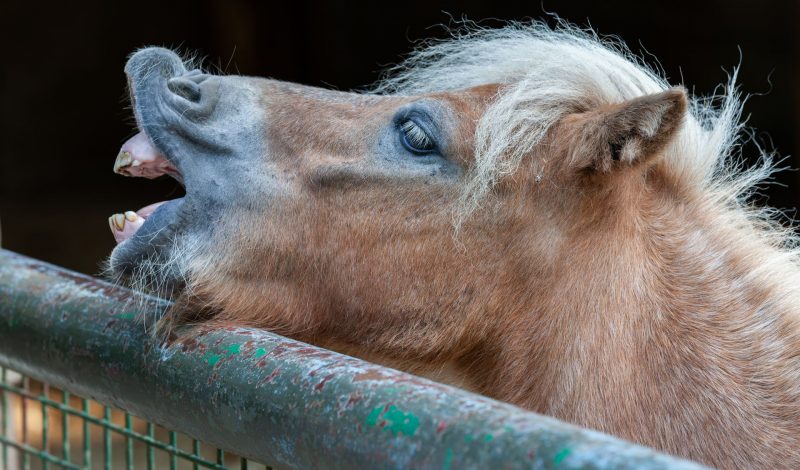
With advancements in life today, we now have more opportunities to interact with horses, such as through equestrianism and encounters in safari parks. However, in the event of an accidental horse bite, it is important to take appropriate measures for treatment.
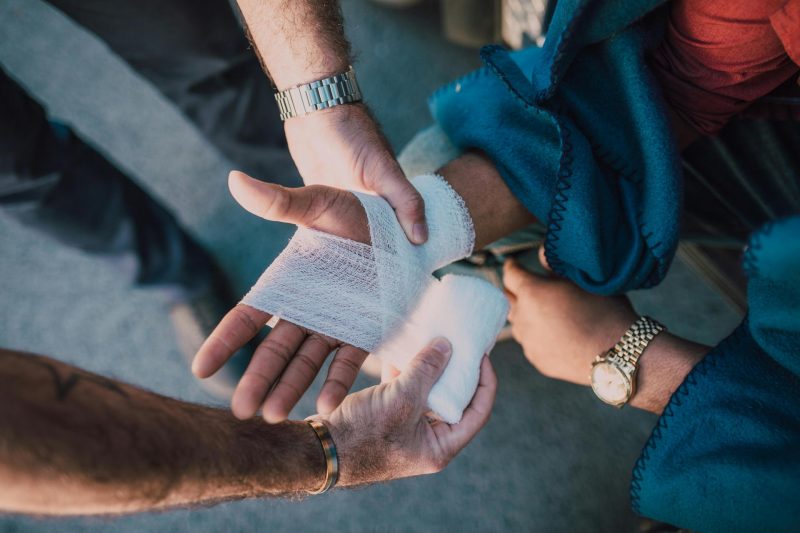
Horse bites typically result in lacerations and crushing wounds rather than puncture wounds, as horses have relatively flat teeth. Those types of wounds tend to heal slowly and are prone to infection and necrosis. Therefore, it is crucial to handle a horse bite with care. Immediately clean the wound using mild soapy water or normal saline to eliminate any dirt or bacteria. If the wound is bleeding, apply gentle pressure using clean gauze or a bandage to control the bleeding.
After administering the initial treatment as described above, it is vital to seek immediate medical attention. Tetanus human immunoglobulin or tetanus antitoxin should be appropriately utilized to prevent tetanus.
Furthermore, although horses are not the primary carriers of rabies, it is important to remember that the rabies virus can be transmitted by all mammals. Therefore, it is advisable to consider receiving the appropriate rabies vaccine to prevent rabies infection.
Tags
A joint research effort between Sweden's Karolinska Institute and the Chinese Academy of Medical Sciences has uncovered a crucial RNA molecule for skin wound healing, potentially paving the way for…
With an increasing number of people choosing to own pets, it's clear that these companions can help alleviate societal pressures such as isolation, depression, and loneliness, while also soothing negative…

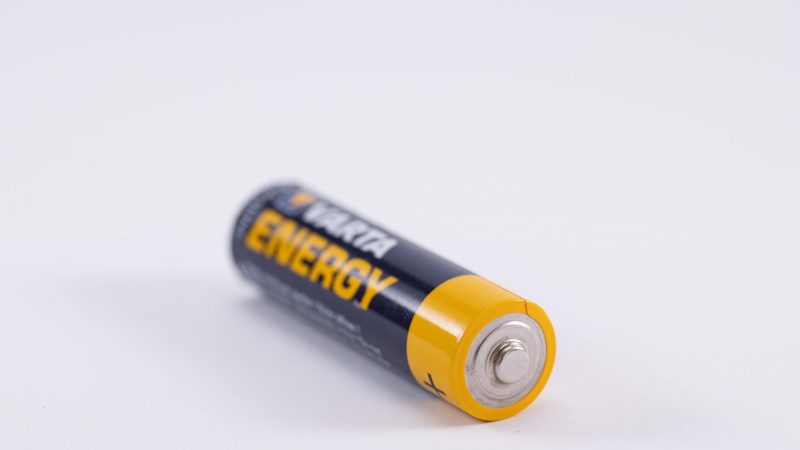
Differentiating between old and new batteries can be done by testing their bounceability. When you mix old and new batteries, this method can help you distinguish between them. Simply drop…
Next time you find yourself dealing with sticky gum on your clothes, remember the power of an ice pack. By cooling the gum, you can make it easier to remove without leaving any messy traces. Ice packs are readily available and offer a convenient solution for tackling gum-related mishaps.
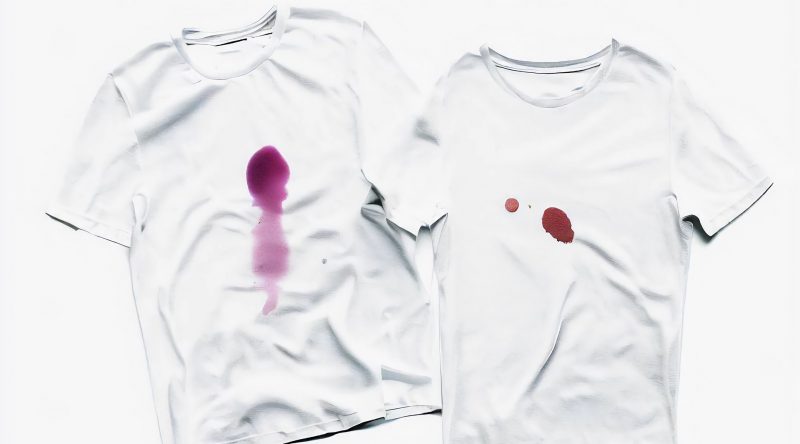
Removing red wine and grape juice stains from clothing can be challenging, but using boiling water can significantly improve the effectiveness of stain removal. Remember to act quickly, choose fabrics that can withstand heat, and always refer to the care instructions provided by the garment manufacturer.