With an increasing number of people choosing to own pets, it's clear that these companions can help alleviate societal pressures such as isolation, depression, and loneliness, while also soothing negative emotions. However, it's not uncommon for pet owners to experience scratches or bites from their pets, which can cause potential harm that shouldn't be overlooked.
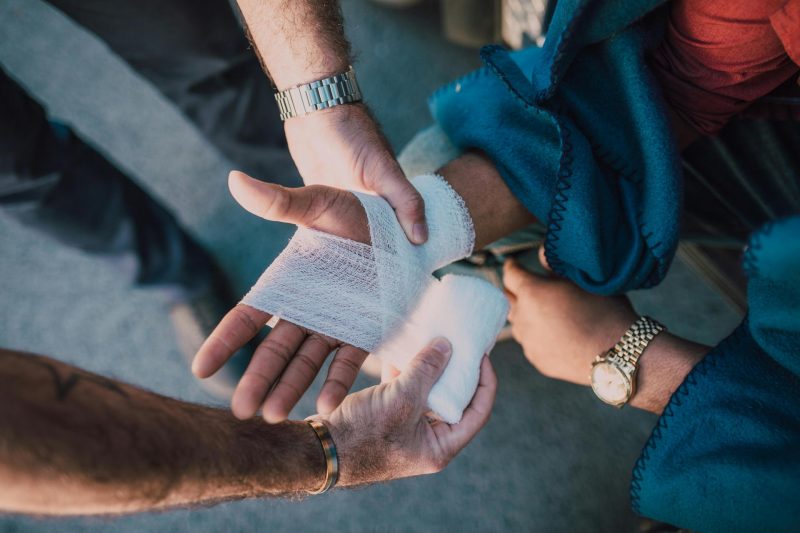
The most frequent injuries come from cats and dogs, often in the form of scratches and bites. If injured, it's recommended to first stop the bleeding, then clean the wound for about 15 minutes by alternately washing with soap and running water. Disinfectants like povidone-iodine should be applied afterwards. Severe wounds may require debridement, suturing, and antibiotic treatment. Depending on the health status of both the human and animal, their vaccination history, and the condition of the wound, a doctor will determine whether it's necessary to administer vaccines or immunoglobulin for rabies and tetanus. Additionally, after being scratched or bitten by a cat, one should be alert for diseases like cat-scratch disease and ringworm. If symptoms such as skin redness, blisters, or swollen lymph nodes occur, it's advised to seek medical help promptly.
While all mammals can contract rabies, the risk of transmission to humans is highest from dogs and cats. The risk from rodents (like squirrels, hamsters) and lagomorphs (like rabbits) is quite low, and usually, it's not necessary to get a rabies vaccination after being bitten or scratched by these animals. However, one should still monitor for diseases like tetanus, rat-bite fever, and hemorrhagic fever with renal syndrome (always following the advice of local health authorities).
Birds, fish, insects, turtles, and snakes cannot contract or spread rabies. Therefore, if they scratch, bite, or peck, there's no need for a rabies vaccination. However, it might be necessary to get a tetanus vaccination, and it's important to watch for signs of allergic reactions or symptoms of poisoning.

Image Credit: Sam Lion
Tags
A joint research effort between Sweden's Karolinska Institute and the Chinese Academy of Medical Sciences has uncovered a crucial RNA molecule for skin wound healing, potentially paving the way for…
With advancements in life today, we now have more opportunities to interact with horses, such as through equestrianism and encounters in safari parks. However, in the event of an accidental…

You must have experienced an unbearable itching sensation around a wound after a part of the body is cut. This sensation is commonly understood by those with medical knowledge as…