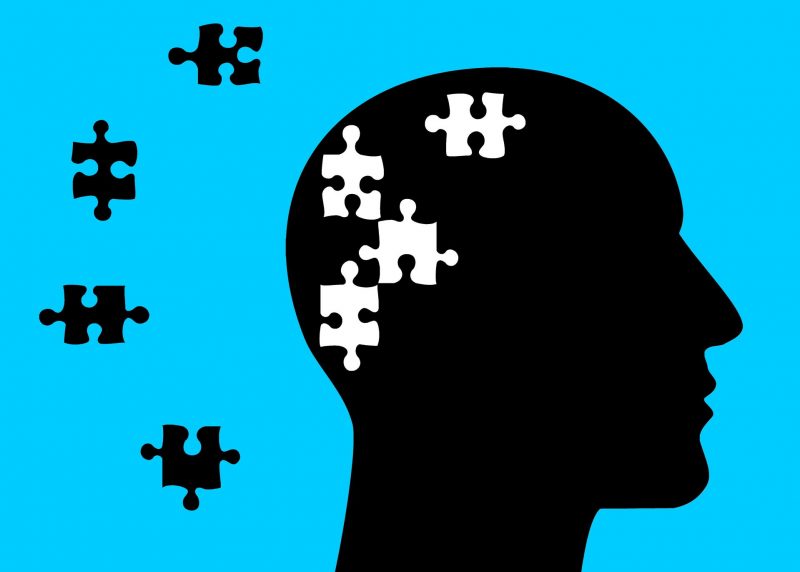
Cognition extends beyond the boundaries of the brain; it is profoundly influenced by our social environment. To gain a comprehensive understanding of human thinking and information processing, it is imperative to examine not only the neural connections within the brain but also the living environments and social interactions of individuals.
Clinical research reveals that social relationships and the environment play a significant role in shaping our thinking and emotional experiences. For instance, older adults and individuals with dementia may encounter difficulties in memory and social interactions; however, they often excel in social situations that leverage their strengths. This highlights the critical importance of a supportive social environment for individuals with cognitive impairment.
Studies on social isolation further emphasize the impact of social context. Prolonged social isolation, such as being physically alone, exerts profoundly negative effects on mental health, leading to feelings of sadness, anxiety, and even hallucinations.
Even short periods of self-isolation can diminish levels of social thinking and decrease brain activity associated with social cognition. Conversely, engaging in natural social interactions stimulates social thinking, underscoring the significance of maintaining social activity for optimal brain health.
Therefore, cognition transcends the realm of the brain and is intricately linked to our social interactions. Social engagements shape our thinking processes, highlighting the necessity of considering both brain function and social context in understanding cognitive health. By fostering a supportive social environment, we can alleviate the burden of cognitive impairment and enhance overall mental well-being.

Tags
A study published in Nature has uncovered a new mechanism for how the brain stores emotional memories—one that centers not on neurons, but on astrocytes, the star-shaped glial cells once…

When people experience striking events, not only do those moments become etched in memory, but even seemingly ordinary experiences that occurred shortly before can become unusually vivid. The neural mechanism…

People with attention-deficit/hyperactivity disorder (ADHD) may possess an often-overlooked strength: excessive curiosity. While typically associated with distractibility and hyperactivity, this trait is also closely linked to creativity, adaptability, and a…

Are colors perceived the same way by everyone? A new neuroscience study suggests that, at least on the neural level, the answer may be yes. The question of whether color perception…

For decades, neuroscientists believed that when a person loses a limb, the brain's corresponding sensory region would be “taken over” by neighboring body parts—a process known as cortical reorganization. However,…
Researchers from the University of California, Los Angeles, and Columbia University have discovered that neurons in the brainstem's locus coeruleus act like a “memory reset button”, segmenting continuous experiences into…