Spicy food not only delights our taste buds but also offers numerous health benefits. It stimulates our appetite, improves blood circulation, and boosts our immune system. However, it's important to note that not all spicy foods are created equal. Different ingredients can produce varying types of spicy sensations. In this article, we will explore some of the most common kinds of spicy food and their sources.
1. Chili Peppers
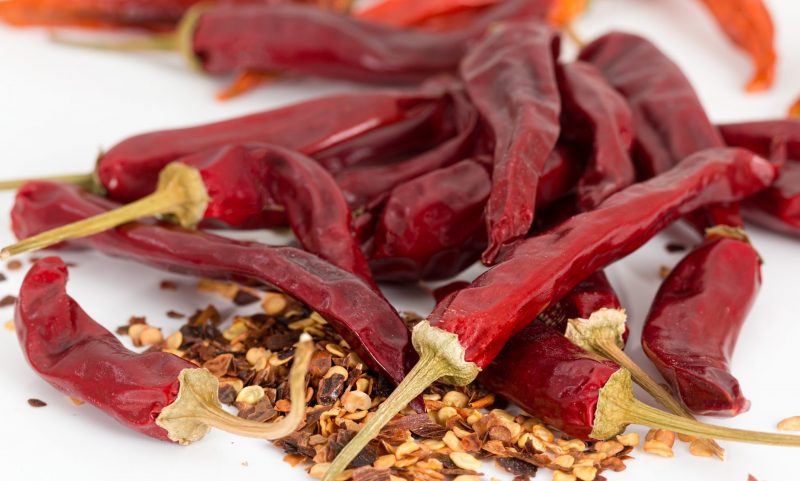
Chili peppers are a versatile ingredient that serves as both a vegetable and a spice. Their hollow fruits contain a white spongy tissue called placenta. The primary spicy compound found in chili peppers is capsaicin, which is synthesized by the cells on the surface of the placenta and stored in tiny droplets beneath it. Consequently, the hottest part of a chili pepper is the placenta and the white veins that extend from it. If you prefer milder flavors, you can remove these parts before cooking to reduce the overall spiciness. While capsaicin can cause a burning sensation and discomfort, recent studies have shown its potential heart-protective and anti-tumor effects. Moreover, consuming spicy food can enhance cognitive abilities and improve brain vascular functions. However, excessive consumption of spicy food can lead to discomfort such as diarrhea, stomach aches, acne, and worsen hemorrhoids.
2. Onions
Onions are often referred to as the "tear gas" in the kitchen, as cutting them can induce tears. The pungent and spicy smell of onions is attributed to compounds such as dipropyl disulfide, other disulfides, and trisulfides. Fresh onions contain significant amounts of dipropyl disulfide and dipropyl trisulfide, which are volatile compounds. When onions are cut or chewed, these compounds are released into the air and can irritate our eyes and nose, stimulating tear glands and causing tears. The presence of organic sulfur compounds also contributes to the spiciness of onions. However, cooking onions can reduce their characteristic flavor and lower their spiciness. To minimize eye irritation when cutting onions, you can try soaking them in cold water for 30 to 60 minutes, refrigerating them for half an hour, cutting them in water, or wearing goggles.
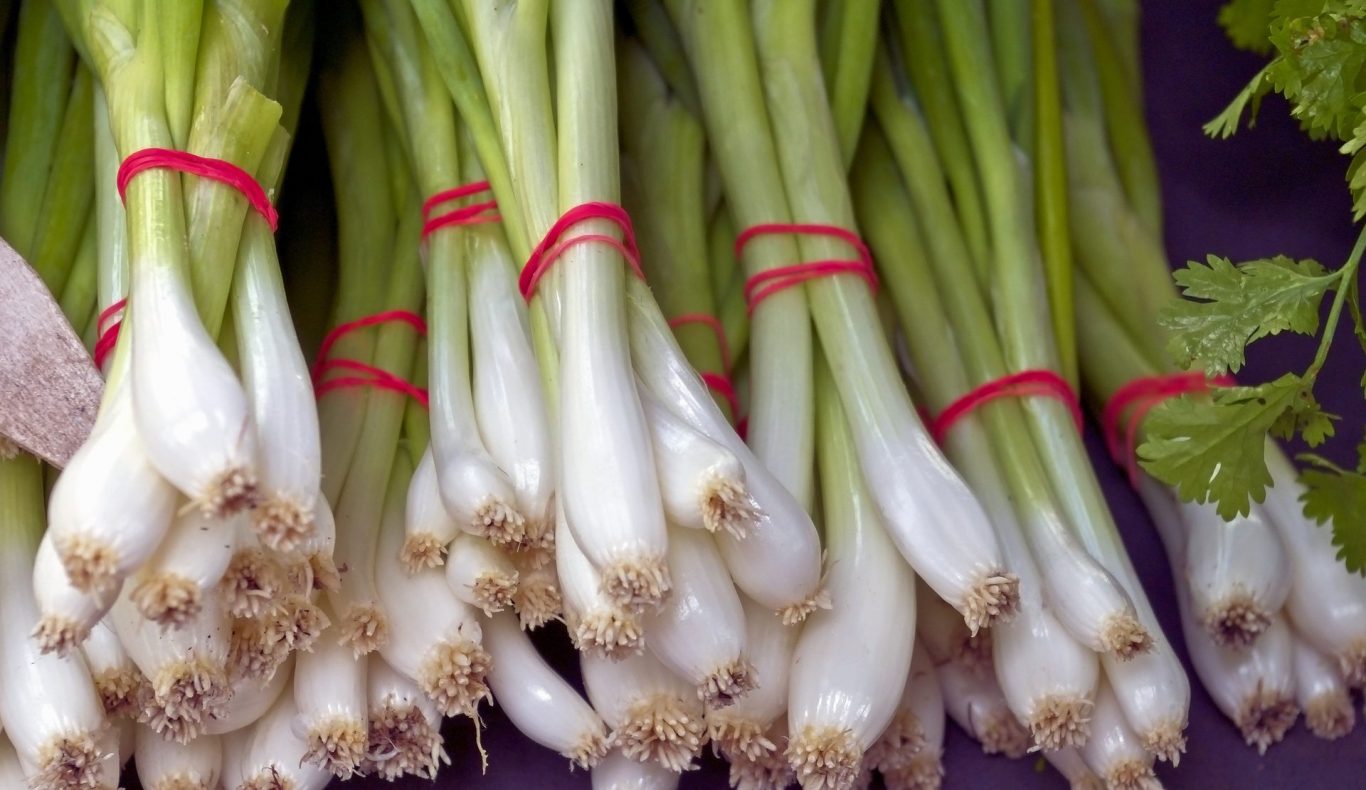 Image Credit: Mike Goad
3. Green Onions
Green onions are essential seasonings in the kitchen, adding flavor, eliminating fishy odors, and imparting a unique taste to dishes. Although they are not inherently spicy when cooked, raw green onions, particularly the white part, can possess a pronounced spiciness. This spiciness is attributed to sulfur compounds abundantly present in green onions, such as S-propyl methanethiosulfonate, dipropyl trisulfide, and dimethyl sulfide. These compounds contribute to the strong spicy sensation experienced when consuming green onions. However, heating green onions can diminish their spiciness. When exposed to high temperatures, cooking oil reacts with the green onion matrix, producing an array of flavorful compounds that effectively alleviate the spiciness while imparting a salty and roasted aroma. Therefore, it is recommended to use green onion leaves in cold dishes and the white parts for stir-frying.
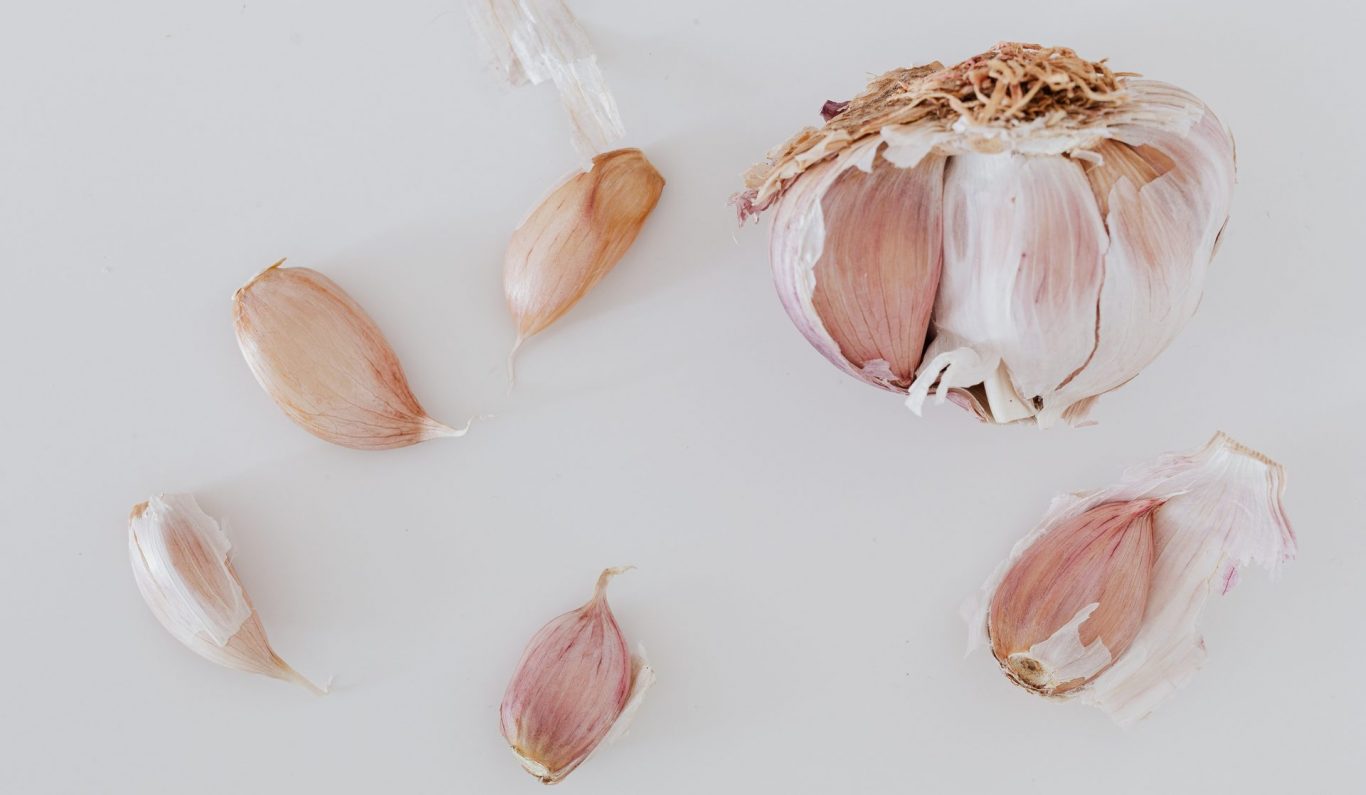 Image Credit: Karolina Grabowska
4. Garlic
Garlic is not only a versatile seasoning in the kitchen but also renowned for its numerous health benefits. It has been labeled as "antibacterial," "anti-aging," "disease prevention," "blood lipid lowering," and "anti-tumor." The main compound responsible for these labels and the spiciness of garlic is allicin. Allicin is formed when the enzyme alliinase reacts with alliin, a sulfur-containing compound found in garlic, upon crushing or cutting. Allicin is not only a bioactive compound in garlic but also a key ingredient for seasoning dishes. However, allicin is heat-sensitive and loses its activity when heated, resulting in reduced spiciness. For instance, when frying or making soup, throwing a few cloves of garlic into the pot will not only make the dish less spicy but also contribute to intestinal health.
5. Chives
Chives are a vegetable known for their unique flavor, particularly when used to make chive dumplings. They possess a delightful and unforgettable taste. Chives contain a rich variety of volatile substances, with sulfur compounds being abundant and responsible for the fresh chive aroma. Chives have a mild spiciness attributed to compounds such as dimethyl trisulfide, dimethyl disulfide, methyl propenyl disulfide, and methyl propenyl trisulfide. These thioether compounds contribute to the onion-like spicy aroma of chives. Raw chives exhibit a stronger spiciness compared to cooked chives, and aldehydes present in them provide a strong fried smell and grassy aroma.
6. Ginger
Ginger is a versatile ingredient that adds flavor, removes fishy smells, and eliminates mutton odors in dishes. Many people perceive ginger as "spicy" when used in tea or consumed directly. The spiciness of ginger arises from gingerol, a term encompassing gingerol, zingerone, ginger ketone, and other spicy compounds associated with ginger. Dried ginger is spicier than fresh ginger because gingerol dehydrates and transforms into zingerone, which is twice as spicy as gingerol. However, cooking reduces the spiciness of ginger as zingerone further transforms into ginger ketone upon heating, resulting in a milder spiciness and a touch of sweetness. Therefore, when making soup, adding a few ginger slices not only enhances the flavor but also reduces the spiciness of the ginger.
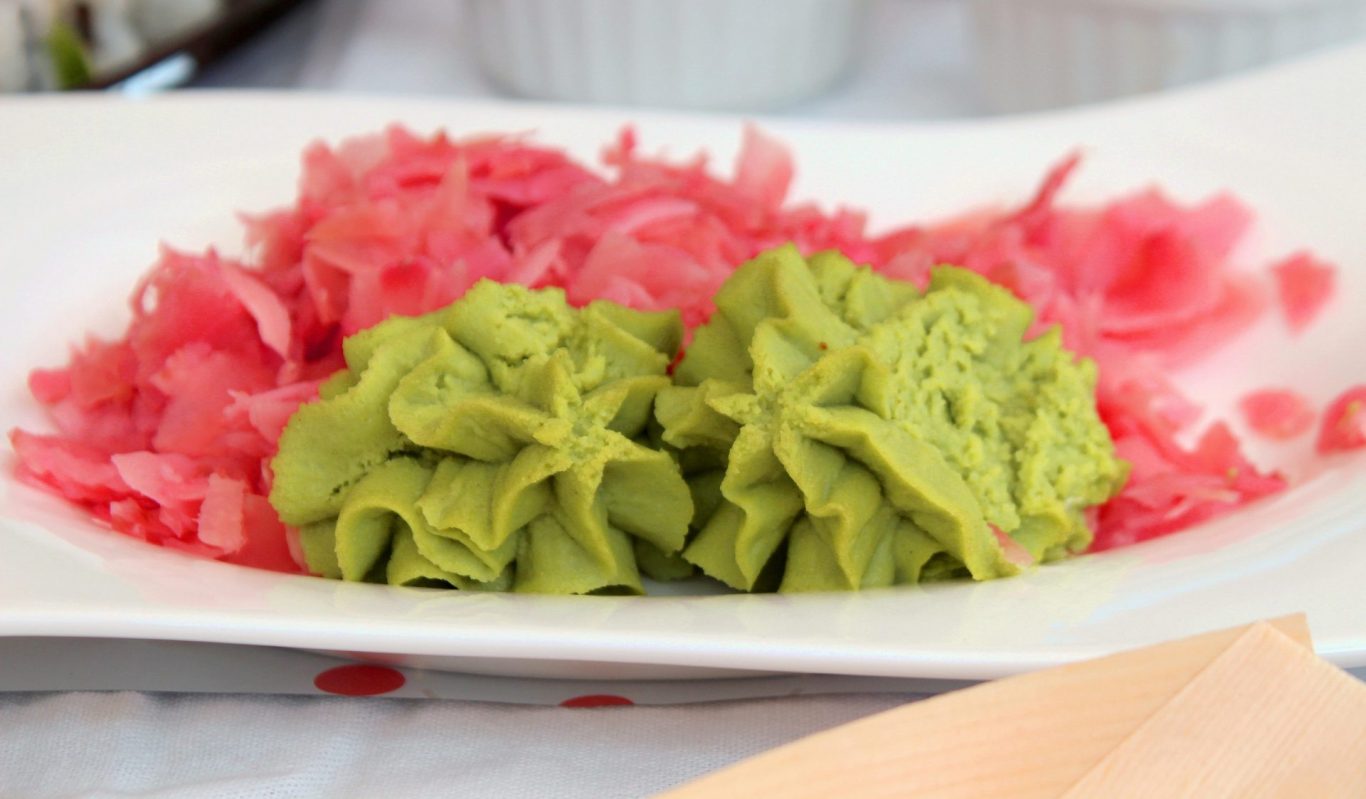 Image Credit: Ulrike Mai
7. Wasabi Paste
Wasabi paste is a popular condiment used in many special dishes such as sushi and sashimi. It possesses a distinct spicy and pungent taste that many people find irresistible. Wasabi, the main ingredient in the paste, is a cruciferous plant native to West Asia. The spicy and stimulating taste of wasabi is attributed to isothiocyanate, the primary bioactive component present in wasabi and other cruciferous plants like mustard. Intact cruciferous plants are not inherently spicy. However, during processing, grinding, or chewing, the plant tissue cells are damaged, causing glucosinolates to come into contact with endogenous myrosinase enzyme, resulting in the rapid formation of isothiocyanate. Due to the high content of this compound and the fine grinding during processing, wasabi, mustard, and horseradish exhibit a strong spicy sensation that impacts the nasal cavity.
8. Black Pepper
Black pepper is a beloved spice used in various delicious dishes such as black pepper beef and black pepper chicken leg rice. It acts as a "flavor magic weapon." Although black pepper possesses a fragrant aroma, consuming it raw reveals its spiciness. The main compound responsible for the spiciness of black pepper is piperine, stored in the outer skin and seed surface of black pepper. Piperine's spiciness is about 1% of capsaicin. Some studies have also highlighted the strong spicy smell of caryophyllene and the certain spiciness of 3-carene in black pepper. Grinding black pepper into crumbs or powder releases more aromatic substances, enhancing the flavor of food. It is essential to store black pepper properly to retain its aroma and spiciness.
As we can see, different spices derive their spiciness from various compounds. Chili peppers contain capsaicin, onion plants have sulfur compounds, ginger contains gingerol, wasabi paste has isothiocyanate, and black pepper possesses piperine. Understanding these sources of spiciness allows us to appreciate the diverse flavors andtextures that spices bring to our culinary experiences.
How Many Spices Do You Know? Exploring the Spiciness of Culinary Delights
Tags
Researchers at Columbia University have discovered a key brain region in mice that functions like a "food switch". The area is known as the bed nucleus of the stria terminalis…

A study published in Nature Medicine by researchers at University College London suggests that ultra-processed foods (UPFs) can impair weight loss even when consumed in line with national dietary recommendations.…
The U.S. obesity rate continues to rise, with approximately 40% of adults over the age of 20 now classified as obese—an increase of 10 percentage points over the past two…

Global warming poses a significant threat to the production of major food crops worldwide. A study published in Nature Food by researchers at Aalto University in Finland reveals that if…
Researchers have discovered that promoting the health of the gut microbiome is nearly as crucial as supplementing missing calories and vitamins to counteract the detrimental effects of childhood malnutrition. Over…

A recent study has found that food Contact Chemicals (FCCs) are widely present in the human body, with scientists detecting 3601 different chemicals used in food packaging and related products.…