Global warming poses a significant threat to the production of major food crops worldwide. A study published in Nature Food by researchers at Aalto University in Finland reveals that if global temperatures rise beyond 1.5°C, crop diversity will decline sharply, significantly impacting global food security.
The study finds that low-latitude regions will suffer more severe consequences than mid- and high-latitude areas. If climate conditions become unsuitable for cultivation, up to half of the food production in low-latitude regions could be at risk, along with a substantial decline in crop diversity. The lead researcher emphasizes that reduced crop diversity means fewer crop options for certain regions, weakening food security and leading to insufficient caloric and protein intake.
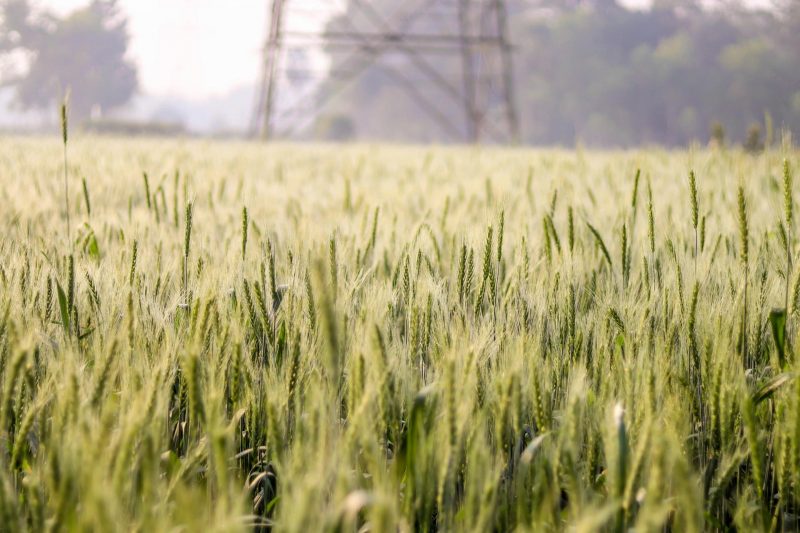
Global warming is expected to dramatically reduce the arable land available for staple crops such as rice, maize, wheat, potatoes, and soybeans, which account for more than two-thirds of global caloric intake. Tropical root crops like cassava, as well as grains and legumes, are particularly vulnerable. In sub-Saharan Africa, one of the most severely affected regions, a temperature rise exceeding 3°C could put nearly three-quarters of current agricultural production at risk.
In contrast, mid- and high-latitude regions may see relatively stable arable land areas, but the types of suitable crops will shift, potentially increasing crop diversity. For instance, temperate fruits like pears may become more common in northern regions. However, researchers caution that even if climate conditions become more favorable, factors such as pests, diseases, and extreme weather—elements not fully accounted for in climate models—could still pose risks to agriculture.
The researchers stress the urgent need for global collective action to ensure future food security. Efforts must focus not only on mitigating climate change but also on adapting to its impacts. While equatorial regions will experience the most drastic changes, the interconnected nature of the global food system means that its effects will be felt worldwide.
Global Warming Threatens Global Food Security by Reducing Crop Diversity
Tags
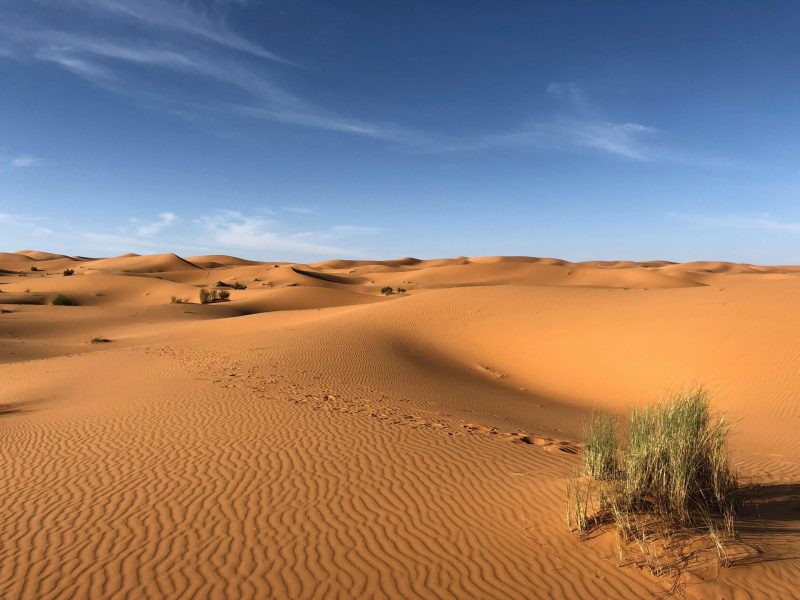
The Sahara Desert, one of the driest places on Earth with an average annual rainfall of just about three inches, may experience a striking transformation later this century. A new study…
A new study led by the University of Exeter warns that the world has crossed its first recognized climate "tipping point", as coral reef ecosystems enter a state of widespread…

A new study led by the University of Reading challenges long-held assumptions about primate origins. For decades, scientists believed primates, including humans, emerged from warm, humid tropical forests. However, reanalysis…
A research team from The Hong Kong Polytechnic University has, for the first time, used Satellite Laser Ranging (SLR) technology to generate precise global records of ocean mass changes spanning…

Researchers at Columbia University have discovered a key brain region in mice that functions like a "food switch". The area is known as the bed nucleus of the stria terminalis…

Prochlorococcus, the most abundant microbe in the oceans, is facing a survival crisis due to global warming. This single-celled cyanobacterium, found across more than 75% of the ocean's surface waters,…