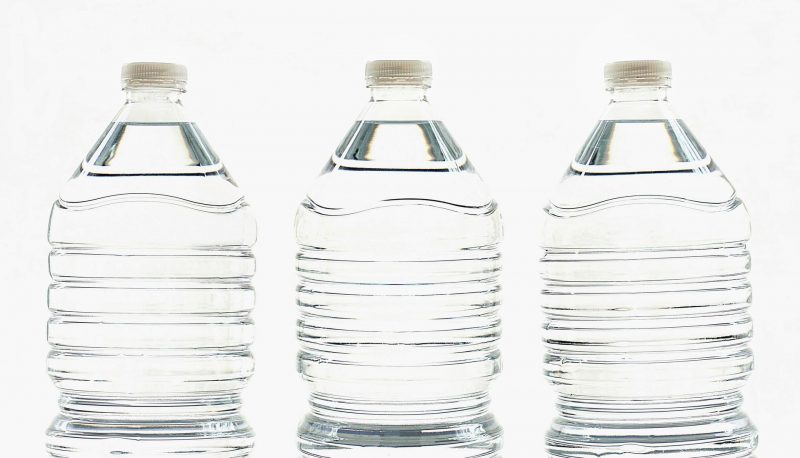
Plastic water bottles are commonly used due to their convenience, but they pose potential health risks. Exposure to sunlight can cause these bottles to degrade, releasing volatile organic compounds (VOCs) that can be harmful to human health. As the bottled water market continues to grow, it becomes increasingly urgent to find safer alternatives. In-depth research into safer materials and production methods for water containers is therefore crucial.
A recent study published in the journal Eco-Environment & Health investigated the conversion of plastic water bottles into a source of air pollution under sunlight. The study examined the VOCs emitted from six plastic water bottles exposed to UV rays and sunlight. The findings revealed that all tested bottles released a complex mixture of alkanes, alkenes, alcohols, aldehydes, and acids, with varying compositions and concentrations of VOCs from bottle to bottle. The presence of carcinogens, including n-hexadecane, emphasized the serious health risks associated with these emissions. Furthermore, the study demonstrated that VOC concentrations increase with prolonged exposure, indicating an escalating cumulative risk.
This study not only provides insights into the chemical stability of PET (polyethylene terephthalate) water bottles but also holds significant implications for public health and safety regulations. By understanding the conditions under which these volatile organic compounds are released, improvements can be made in production practices and material selection for bottled water containers. Additionally, the study emphasizes the need for increased consumer awareness and stricter industry regulations to minimize exposure to these potentially harmful compounds.
Tags
Climate change and plastic pollution are two of the most pressing environmental challenges facing humanity. A research team at the University of Copenhagen has developed a breakthrough material, BAETA, that…

Sunlight-Driven Device Recovers Ammonia from Wastewater for Fertilizer and Water Purification
As solar energy applications expand, scientists have developed a cost-effective technology that uses sunlight to recover ammonia from wastewater. The innovation, published in Nature Sustainability, offers a low-cost source of…

Researchers at Brunel University London have discovered that Pseudomonas aeruginosa, a common hospital pathogen, can degrade polycaprolactone (PCL), a biodegradable plastic widely used in medical devices such as sutures, implants,…
Plastic is ubiquitous in everyday life, and new research suggests that chewing gum may be an overlooked source of microplastic exposure. A preliminary study conducted by researchers at the University…

Innovative Plastic Recycling: Converting Black and Colored Polystyrene Waste into Reusable Materials
Differences in the recycling difficulty of various types and colors of plastics have been significantly noted. Recently, researchers from Cornell University and Princeton University in the United States published a…
For years, researchers at the Woods Hole Oceanographic Institution (WHOI) in the United States have been investigating the lifespans of different types of plastics in the ocean, identifying those with…