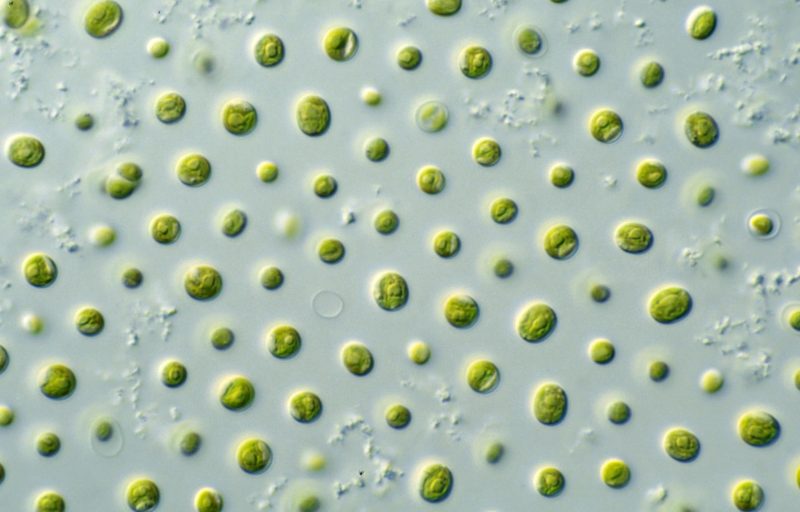
As global efforts to combat climate change intensify, microalgae have emerged as an underutilized yet promising resource. A new study by the University of Technology Sydney (UTS) highlights the potential of microalgae as a climate solution while emphasizing the need for "smart microalgae bioprospecting" to fully unlock its benefits. The study was recently published in the journal Natural Products and Bioprospecting.
Beyond carbon sequestration, microalgae function as "photosynthetic cell factories," converting captured carbon into valuable products. These applications span biofuels, pharmaceuticals, high-nutrient food sources, and even wastewater treatment, aligning with circular economy principles. Successful examples include Spirulina, widely consumed as a superfood, and Dunaliella salina, a major source of β-carotene for the cosmetics and food industries.
Despite their vast potential, industrial applications of microalgae remain in their infancy. Of the thousands of microalgae species, only a small fraction has been studied, leaving significant opportunities for climate-related innovations. Bioprospecting plays a crucial role in identifying and developing new microalgae strains for industrial and environmental applications. This process involves discovering new species, analyzing their biochemical properties, and assessing their potential contributions to climate solutions.
One of the primary challenges in scaling up microalgae-based carbon sequestration is cost. High costs have slowed widespread adoption, limiting the commercial viability of microalgae for carbon capture. Discovering new strains with higher growth rates, greater carbon dioxide absorption efficiency, or lower resource requirements could significantly reduce these costs. However, achieving this requires greater investment in smart microalgae bioprospecting, leveraging advanced technologies and research methodologies to identify and develop new strains for industrial and environmental use.
Harnessing Microalgae: A Promising yet Untapped Solution for Climate Change Mitigation
Tags
The Sahara Desert, one of the driest places on Earth with an average annual rainfall of just about three inches, may experience a striking transformation later this century. A new study…

A new study led by the University of Exeter warns that the world has crossed its first recognized climate "tipping point", as coral reef ecosystems enter a state of widespread…

A new study led by the University of Reading challenges long-held assumptions about primate origins. For decades, scientists believed primates, including humans, emerged from warm, humid tropical forests. However, reanalysis…

A research team from The Hong Kong Polytechnic University has, for the first time, used Satellite Laser Ranging (SLR) technology to generate precise global records of ocean mass changes spanning…

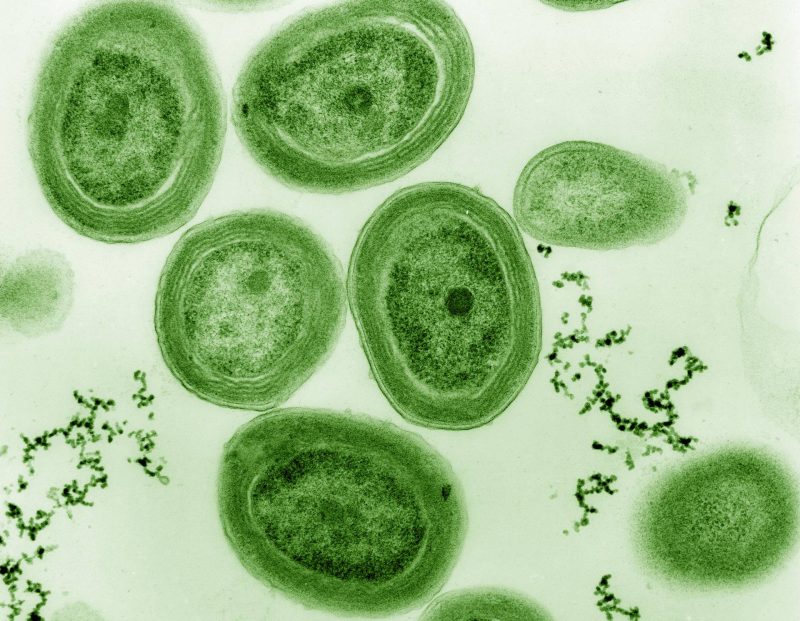
Prochlorococcus, the most abundant microbe in the oceans, is facing a survival crisis due to global warming. This single-celled cyanobacterium, found across more than 75% of the ocean's surface waters,…
Climate change and plastic pollution are two of the most pressing environmental challenges facing humanity. A research team at the University of Copenhagen has developed a breakthrough material, BAETA, that…
