In a recent publication in Science Advances, a team of researchers from Michigan State University has unveiled a significant genetic revelation concerning the sugars found in "tomato tar." This discovery sheds light on plant defense mechanisms and their potential implications for pest control. The study presents new possibilities for practical applications in the realm of control measures.
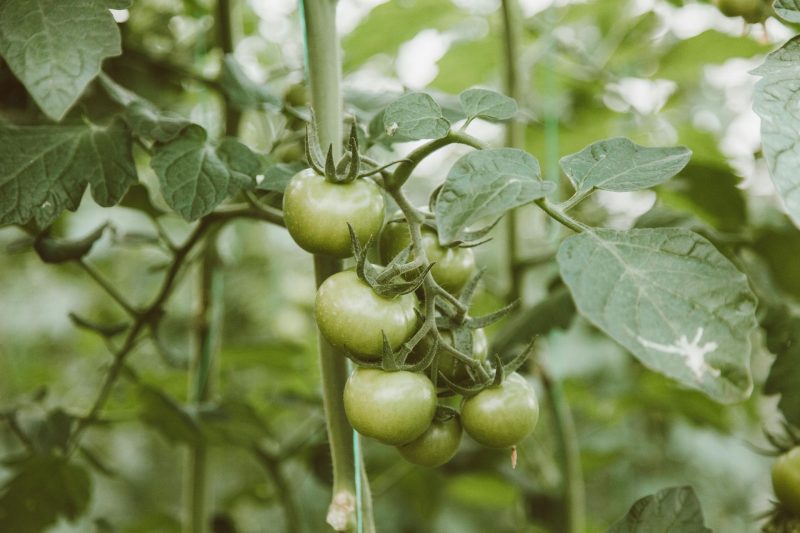
Tomato tar, a familiar nuisance to gardening enthusiasts, is a sticky golden-black substance that adheres to one's hands when in contact with a tomato. Recent research suggests that the stickiness of this substance is attributed to acylsugar, a type of sugar that acts as natural flypaper, deterring potential pests.
In a groundbreaking investigation, scientists have identified the presence of an acyl sugar, previously believed to be solely located in tomato trichomes, in tomato roots as well. This remarkable finding raises numerous questions and provides new insights into the field of genetics.
The researchers set out to comprehend the origin and function of these root acyl sugars. Their investigations revealed that tomatoes not only synthesize chemically distinctive acyl sugars in both roots and trichomes but also that these sugars are produced through two parallel metabolic pathways. This can be likened to an assembly line in an automobile factory producing two different models of the same car, with no interaction between them.
Genetic Discovery Unveils Tomato Tar's Surprising Defense Mechanism and Potential Applications
Tags
From low-carb ice creams and keto protein bars to sugar-free beverages, the sweetener erythritol has become a staple in many food products. However, new research suggests this widely used sugar…

A recent study from the Friedman School of Nutrition Science and Policy at Tufts University suggests that drinking 1 to 2 cups of caffeinated coffee per day may lower the…

California's deserts, once thought to be naturally resistant to plant invasions, are now under severe threat from an aggressive weed—Sahara mustard (Brassica tournefortii). A recent study by the University of…

A research team from the Technical University of Munich is exploring ways to optimize the lifespan of plant enzymes. Certain plant enzymes have a short lifespan and require frequent replacement,…

In the past decade, the global plant-based beverage market has witnessed significant growth, with oat, almond, soy, and other plant-based drinks gradually becoming popular alternatives to dairy milk. Millions of…

Discovery of Gene Enhancing Photosynthesis in Poplar Trees Holds Promise for Agriculture and Bioenergy
Researchers at the University of Illinois, in collaboration with the Bioenergy Innovation Center at Oak Ridge National Laboratory in the United States, have discovered a gene in poplar trees that…