Algae once again showcases its potential in promoting the sustainable development of the cattle industry. Researchers at the University of California, Davis, have discovered that supplementing grazing beef cattle with granular seaweed additives can reduce methane emissions by nearly 40%, without impacting the health or weight of the cattle. The research findings have been published in the Proceedings of the National Academy of Sciences (PNAS).
This is the first global study to test seaweed on grazing beef cattle. Previous research has shown that seaweed can reduce methane emissions by 82% in feedlot beef cattle and over 50% in dairy cows.
Livestock accounts for 14.5% of global greenhouse gas emissions, with methane from cows' belching being the largest contributor. Grazing cattle produce more methane due to their higher fiber intake compared to feedlot cattle. In the United States alone, there are approximately 9 million dairy cows and over 64 million beef cattle.
In this study, researchers divided 24 cows into two groups, one receiving seaweed supplements and the other not. The 10-week experiment conducted on the pasture showed that even when grazing cattle voluntarily consumed the supplement, methane emissions decreased by almost 40%.
Grazing systems support the livelihoods of millions of people globally, many of whom reside in regions vulnerable to the impacts of climate change. This research offers an environmentally friendly grazing approach, demonstrating the potential to play a role in addressing climate change.
Feeding Cows Seaweed Can Reduce Methane Emissions by Nearly 40%

Tags
The Sahara Desert, one of the driest places on Earth with an average annual rainfall of just about three inches, may experience a striking transformation later this century. A new study…

A new study led by the University of Exeter warns that the world has crossed its first recognized climate "tipping point", as coral reef ecosystems enter a state of widespread…

A new study led by the University of Reading challenges long-held assumptions about primate origins. For decades, scientists believed primates, including humans, emerged from warm, humid tropical forests. However, reanalysis…

A research team from The Hong Kong Polytechnic University has, for the first time, used Satellite Laser Ranging (SLR) technology to generate precise global records of ocean mass changes spanning…

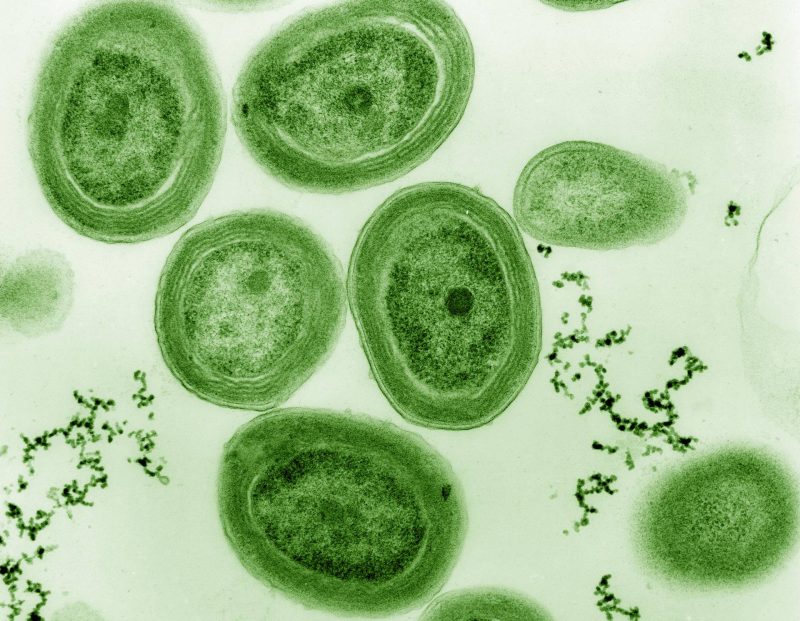
Prochlorococcus, the most abundant microbe in the oceans, is facing a survival crisis due to global warming. This single-celled cyanobacterium, found across more than 75% of the ocean's surface waters,…
A new study from the University of Hong Kong, published in Nature Climate Change, has found that long-term exposure to extreme heat can accelerate organ aging and increase multiple health…