A study conducted by the Swiss Federal Institute for Forest, Snow, and Landscape Research (WSL) and the Institute of Science and Technology Austria (ISTA) warns that prolonged droughts, which have persisted since the 1980s, are expected to intensify with global warming. Published in the journal Science, the study provides policy recommendations for assessing the environmental impact of human-induced climate change.
Using CHELSA climate data developed and maintained by WSL, researchers analyzed climate records dating back to 1979. They calculated anomalies in global rainfall and evapotranspiration (the evaporation of water from soil and plants) and assessed the effects of these changes on natural ecosystems. The study produced a global drought map, highlighting both documented drought events and lesser-known extreme droughts, such as the prolonged drought that affected the Congo rainforest from 2010 to 2018. These differences may be linked to how forests in various climate zones respond to drought.
The findings reveal a clear trend of worsening megadroughts, though their long-term impacts on Earth's ecosystems remain uncertain. Current data show widespread greening in the Arctic regions. However, under conditions of prolonged extreme water scarcity, trees in tropical and boreal regions may face increased mortality, severely challenging the resilience of these ecosystems. Boreal vegetation, in particular, may require significantly longer recovery periods after climate-related disasters.
The researchers hope their findings will reshape perceptions of drought, emphasizing the need for better preparation. While droughts are often viewed as annual or seasonal events, the potential for longer and more severe megadroughts could disrupt this understanding. To aid policymakers, the team has also released a publicly available drought database, aiming to support the development of more realistic mitigation and prevention strategies.
Tags
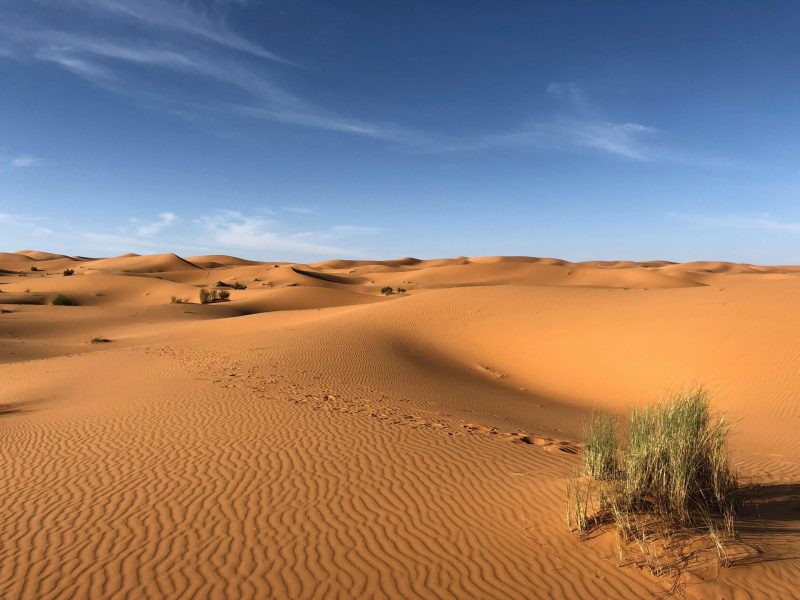
The Sahara Desert, one of the driest places on Earth with an average annual rainfall of just about three inches, may experience a striking transformation later this century. A new study…
A new study led by the University of Exeter warns that the world has crossed its first recognized climate "tipping point", as coral reef ecosystems enter a state of widespread…

A new study led by the University of Reading challenges long-held assumptions about primate origins. For decades, scientists believed primates, including humans, emerged from warm, humid tropical forests. However, reanalysis…

A research team from The Hong Kong Polytechnic University has, for the first time, used Satellite Laser Ranging (SLR) technology to generate precise global records of ocean mass changes spanning…

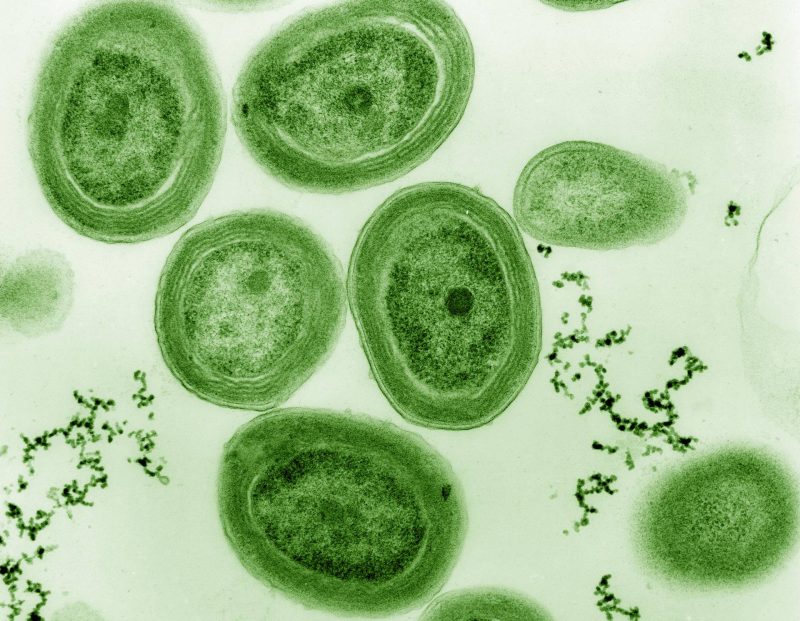
Prochlorococcus, the most abundant microbe in the oceans, is facing a survival crisis due to global warming. This single-celled cyanobacterium, found across more than 75% of the ocean's surface waters,…
A new study from the University of Hong Kong, published in Nature Climate Change, has found that long-term exposure to extreme heat can accelerate organ aging and increase multiple health…