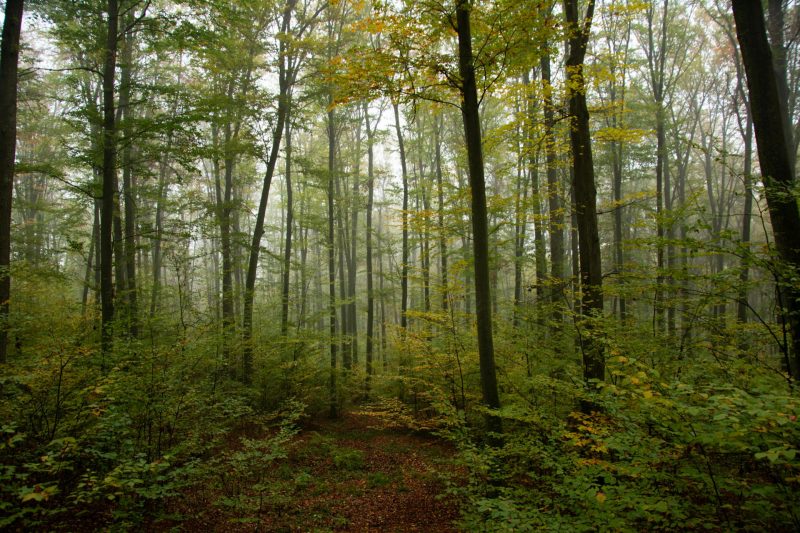
One-third of the world's tree species, ranging from tropical magnolias to mountain pines, are currently under the threat of extinction. According to the latest Red List of endangered species released by the International Union for Conservation of Nature (IUCN) in October, over a quarter of tree species are classified as endangered.
Fungi, or the absence of fungi, may be a contributing factor to trees' inability to adapt to climate change. Most trees depend on underground symbiotic fungi—ectomycorrhizal fungi—that provide trees with the necessary nutrients and water for survival. However, like other organisms, ectomycorrhizal fungi also face challenges in adapting to climate change, particularly to high temperatures and drought. Scientists still have limited knowledge of how climate change affects these crucial fungi and the survival capabilities of trees in various regions.
Researchers from the non-profit organization "Subterranean Network Conservation Association" (SPUN) highlighted in a study published earlier this year in the Proceedings of the National Academy of Sciences (PNAS) that climate change is narrowing the suitable areas for trees to symbiotically coexist with fungi, thus limiting the trees' ability to migrate.
The study indicates that the suitable habitats for trees and fungi are shifting northwards into cooler, more humid regions. However, about 35% of tree species' symbiotic relationships with fungi are being restricted due to the shrinking suitable areas. Without the appropriate fungi, trees will struggle to migrate northward along with climate change.
Tags
The Sahara Desert, one of the driest places on Earth with an average annual rainfall of just about three inches, may experience a striking transformation later this century. A new study…

A new study led by the University of Exeter warns that the world has crossed its first recognized climate "tipping point", as coral reef ecosystems enter a state of widespread…

A new study led by the University of Reading challenges long-held assumptions about primate origins. For decades, scientists believed primates, including humans, emerged from warm, humid tropical forests. However, reanalysis…
A research team from The Hong Kong Polytechnic University has, for the first time, used Satellite Laser Ranging (SLR) technology to generate precise global records of ocean mass changes spanning…

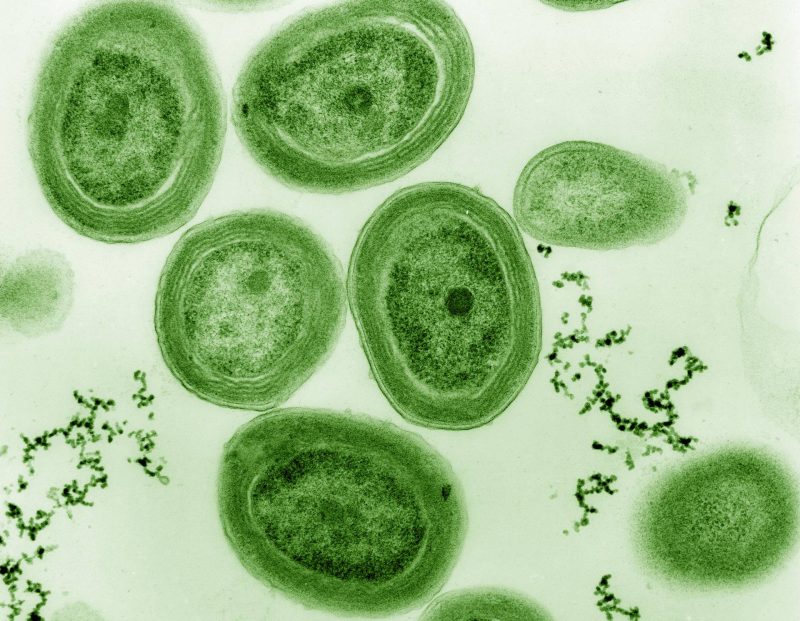
Prochlorococcus, the most abundant microbe in the oceans, is facing a survival crisis due to global warming. This single-celled cyanobacterium, found across more than 75% of the ocean's surface waters,…
A new study from the University of Hong Kong, published in Nature Climate Change, has found that long-term exposure to extreme heat can accelerate organ aging and increase multiple health…