Responding to climate change and protecting biodiversity are two major hot and difficult issues worldwide today, crucial for sustainable human development. To address the "dual crisis" of global warming and biodiversity loss, humans must consider these two pressing and challenging issues as interconnected goals that need to be pursued together.
According to the latest report from the Intergovernmental Panel on Climate Change (IPCC), since the mid-19th century, the average surface temperature of the Earth has increased by approximately 1.1°C, and sea levels have risen by about 20 centimeters. These seemingly small numerical changes have already had a significant impact on Earth's ecosystems. Under the pressures of severe natural selection, the biological realm has begun to evolve in response to this survival challenge. Exploring the impact of climate change on biodiversity holds great significance.
Throughout the history of life on Earth, evolution has always been the main theme. In different stages of Earth's evolution, whether it be changes in the seas and lands, volcanic eruptions, or abrupt climate changes, life evolution has always exhibited unique responses to these transformative environments, giving rise to many incredible evolutionary phenomena. These fascinating and miraculous survival strategies provide important insights and warnings for understanding natural evolution, the evolution of biodiversity on Earth today, and the understanding of life.
In modern times, climate warming has been the most significant natural factor affecting human life and production activities. From land and forests to oceans, organisms in different geographical environments are striving to adapt to climate warming, showcasing the immense power of the principles of evolution.
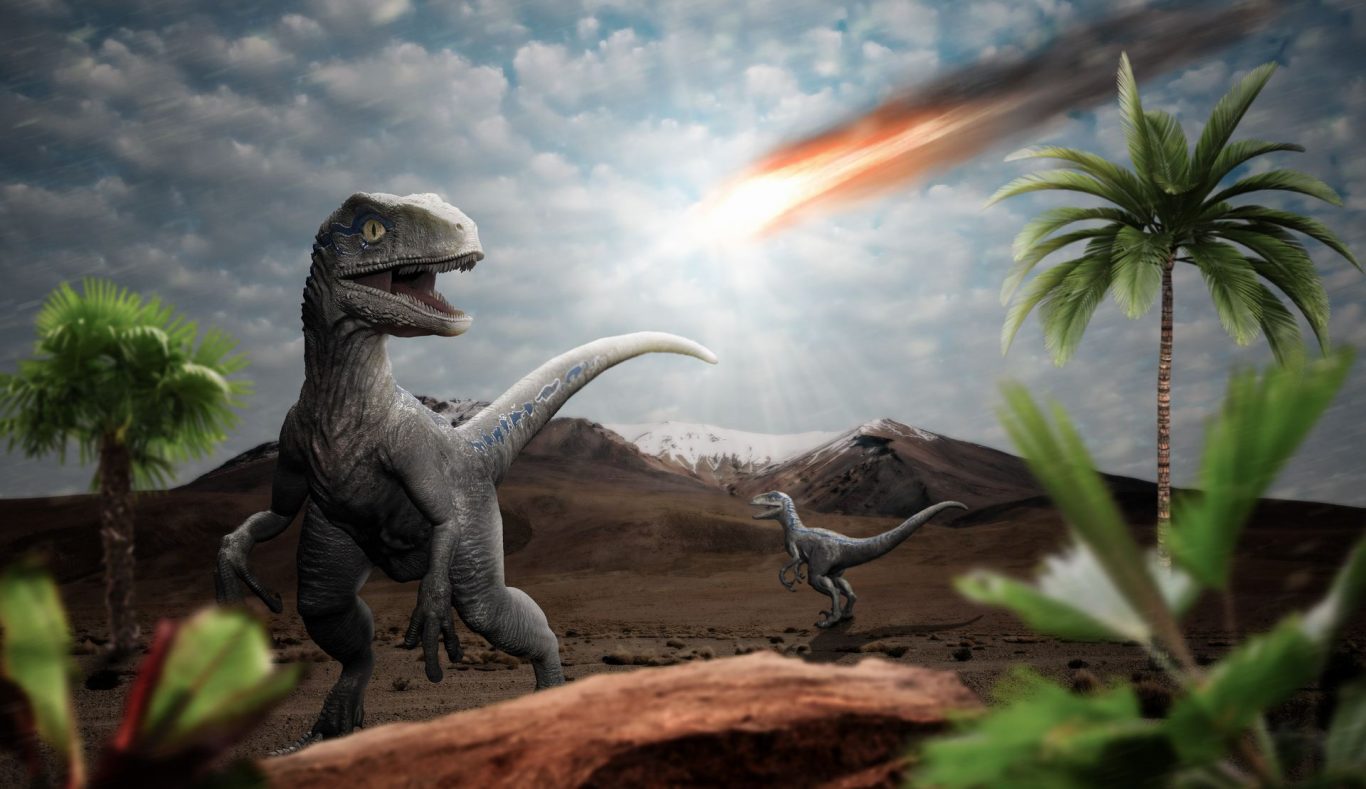 Image Credit: 12222786
During Earth's 4.6 billion years of lengthy evolution, from the scorching magma oceans to the oceans covering the Earth's surface, from an anoxic atmosphere to an oxygenated atmosphere, whether it's the Earth's land-sea changes dominated by plate tectonics or large-scale volcanic eruptions triggered by mantle magma activity, they have all had profound effects on the Earth's climate system.
Since life emerged on Earth, the atmospheric carbon dioxide (CO2) levels have always fluctuated. Currently, the atmospheric CO2 levels are at a moderate-low level in Earth's history. Geological and paleontological studies indicate that for most of Earth's history, the planet experienced a "greenhouse climate" with no permanent ice caps at the poles. In other words, under normal circumstances, Earth's temperatures were considerably higher than they are today.
Over 400 million years ago, marine organisms first set foot on land when atmospheric CO2 concentrations were as high as 7000ppm. At that time, the Earth's environment was completely different from the present, with the average surface temperature being 10 degrees Celsius higher than now. Approximately 380 to 300 million years ago, with the expansion and spread of terrestrial forests, large plants thrived. The plant roots penetrated deep into the ground, accelerating the weathering process and capturing and storing atmospheric CO2 in rocks such as limestone. This ultimately led to a significant decrease in CO2 levels around 300 million years ago, triggering the arrival of the Ice Age. From 300 to 250 million years ago, intense tectonic plate movements and frequent volcanic activity released a large amount of CO2 back into the atmosphere, causing its concentration in the air to surge from 400ppm to 1800ppm. Subsequently, the CO2 levels slowly declined again.
Around 3 million years ago, the atmospheric CO2 concentration was similar to today, at approximately 400ppm. Since then, the concentration of CO2 has gradually declined. In the 10,000 years before the onset of the first industrial revolution, the CO2 concentration remained around 280ppm. After the industrial revolution, the CO2 concentration started to rise again, especially in the past 100 years, with a rapid increase. In 2020, the atmospheric CO2 concentration reached 412.48ppm.
Throughout the history of life on Earth, several major biological evolutionary events have been closely associated with warm climates. During the Cambrian period over 500 million years ago, especially during the Ordovician period, a series of events including the Cambrian explosion and the Ordovician radiation occurred due to widespread warm climate and extensive marine transgressions. These events laid the foundation for the evolutionary patterns of biodiversity in the Phanerozoic Eon.
During the Mesozoic Era, the climate was generally warm, with only minor differences between tropical, subtropical, and temperate regions. Reptiles thrived during this time and achieved comprehensive evolution in the Triassic period, with terrestrial dinosaurs, marine ichthyosaurs, and flying pterosaurs creating magnificent scenes of dinosaur evolution in the history of life. Studies have shown that during the mid-Cretaceous period, approximately 90 million years ago, the atmospheric CO2 concentration reached 1000ppm, resulting in an average temperature about 6 degrees Celsius higher than present.
In the early Cenozoic Era, the Earth was also much hotter than it is now. During the "Paleocene-Eocene Thermal Maximum" period around 56 million years ago, the atmospheric CO2 concentration reached approximately 900ppm, causing a temperature increase of 4-5 degrees Celsius within a few thousand years, and both poles lacked permanent ice caps. It was during this time that mammals experienced a remarkable period of evolution, with whales taking to the seas, bats soaring in the skies, and terrestrial mammals dominating the land, including the appearance of large mammals.
Over the past 800,000 years, the concentration of atmospheric CO2 has fluctuated between 180-280ppm. In other words, during the mid-Cretaceous period, the CO2 concentration was nearly three times higher than it is today, resulting in an average surface temperature exceeding 30 degrees Celsius, with peaks reaching over tens of degrees Celsius.
Climate warming has also brought devastating impacts on biological evolution. For example, approximately 252 million years ago, the Earth experienced the largest mass extinction event in history, known as the end-Permian mass extinction. While there were multiple complex factors contributing to this event, a significant factor was the extreme climate change caused by the massive volcanic eruptions in Siberia, where a large amount of CO2 gas dissolved into the oceans, leading to ocean acidification and the release of toxic gases. This resulted in the collapse of marine ecosystems and the extinction of the majority of marine species. The toxic environment also affected the terrestrial ecosystems, pushing them towards collapse, exacerbating the already precarious state of the land-based ecosystems.
The end-Cretaceous mass extinction was triggered by the volcanic eruptions of the Deccan Traps in India, which caused a dramatic deterioration of global environments. The subsequent asteroid impact on Earth was the final straw that broke the camel's back.
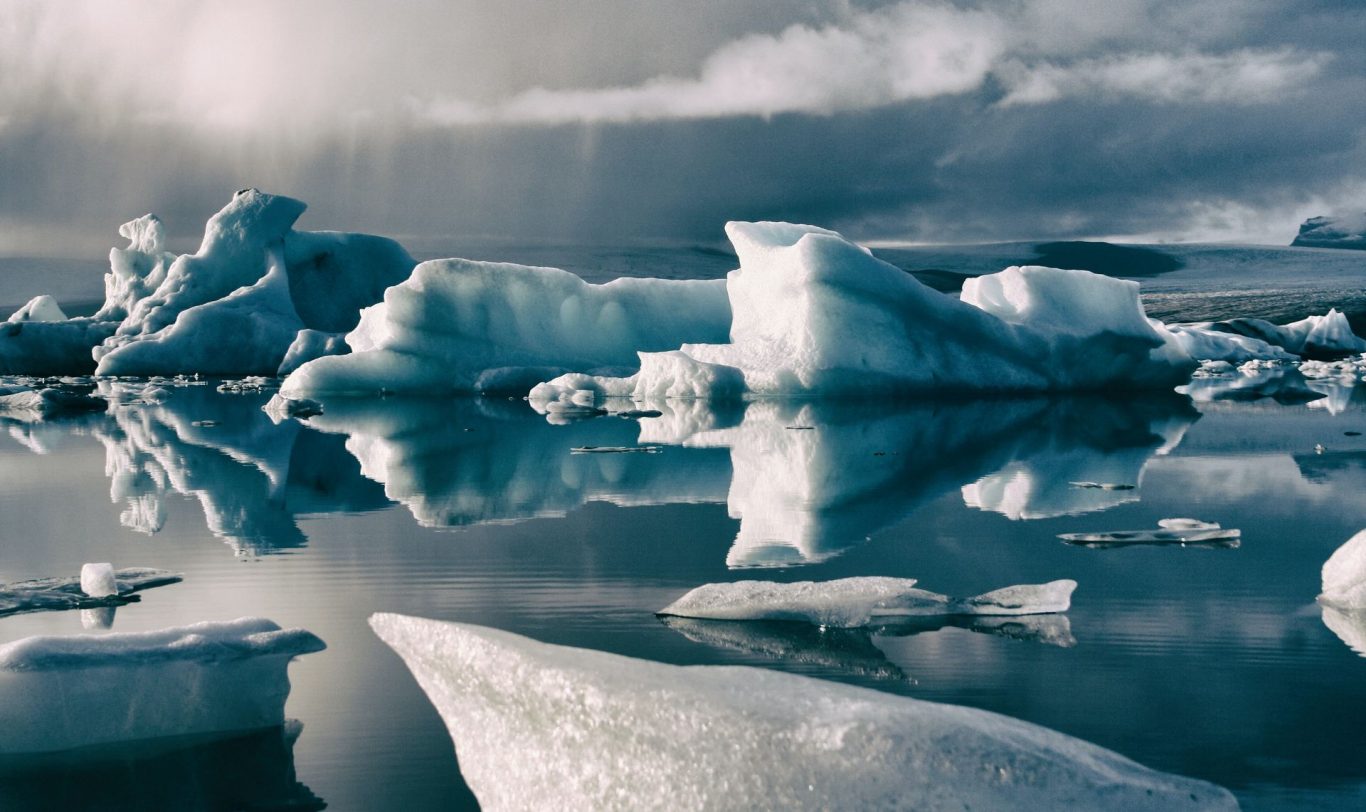 Image Credit: Andrea Schettino
In recent times, climate warming has triggered a series of ecological crises. The wave of industrialization initiated by humans has brought about not only tremendous economic and social progress but also "by-products" such as air pollution, climate warming, and a decline in biodiversity. In March 2022, American scientists modeled and analyzed the evolutionary DNA patterns of species and found that the current rate of species extinction is 1,000 times faster than before humans entered the stage of history. Meanwhile, scientists have also discovered that biodiversity influences climate change.
The greenhouse effect leads to global temperature rise and climate warming. This climate change exerts evolutionary pressure on organisms, urging them to adapt to new environments. Some organisms may need to adjust their life strategies and behaviors to survive and reproduce in higher temperatures and humidity.
The greenhouse effect has a significant impact on plant growth. Plants are highly sensitive to environmental temperature, resulting in different plant growth patterns in different altitudinal zones, forming natural vertical zones. As temperatures in different altitudinal zones rise, the corresponding altitudes that are most suitable for various plant growth also increase. For plants that flower or seed every few years or only grow in low-altitude regions, the outcome is extinction.
Global warming drives species to migrate to "warmer" zones. Habitats of organisms in polar regions will be disrupted, and some fragile ecosystems will gradually degrade and disappear. In 2020, The Guardian reported that almost half of the plants rely on animals to spread their seeds. Scientists are concerned that when animals are forced to migrate to cooler regions, some plants may face the danger of extinction since it is difficult for plants to migrate along with animals.
Due to the greenhouse effect on Earth, the vegetation of Arctic lands has undergone unprecedented changes in the past few decades. The originally low-growing tundra vegetation has been growing taller as local temperatures warm. Moreover, not only do existing plants grow taller, but there are also many "tall" new plant species invading the area. The increase in vegetation height is not limited to a few places in the Arctic but extends throughout the tundra region. If taller plants continue to increase at the current rate, by the end of this century, the height of local plant communities may increase by 20% to 60%.
Currently, the rate of climate change is faster than animals' ability to adapt. Researchers at the Leibniz Institute for Zoo and Wildlife Research in Germany have found that in the face of climate change, animals usually adjust their behaviors such as hibernation, reproduction, and migration to better adapt to the changing climate and ensure their own survival and population. A small number of bird species, such as the great tit, pied flycatcher, and magpie, have already adapted well to climate change. However, many other animals have not yet achieved sufficient self-regulation and response speed to cope effectively with rapidly rising temperatures and climate fluctuations. Climate change directly threatens the survival of these species and accelerates the extinction of some endangered species.
In addition, rising temperatures will increase the growth rate and survival rate of certain pathogens, accelerating the spread of harmful bacteria and increasing the generations of pests and diseases, thereby affecting biodiversity.
Climate change affects the population structure, size, and geographic distribution range of species. Some species may face the risk of extinction, while others may migrate or adapt to new environments. This can lead to the expansion or contraction of species' distribution ranges, or the introduction of new competitors, shaping new structures and dynamics in biological communities.
Climate warming poses a severe threat to biodiversity, and the loss of biodiversity also exacerbates climate warming. Photosynthesis in plants plays a significant role in maintaining the balance of atmospheric carbon and oxygen. When green vegetation is destroyed, climate warming is further intensified.
An article published in the journal Nature in 2021 stated that the annual carbon dioxide emissions from human-induced wildfires in the Amazon rainforest are about 1.6 billion tons, while healthy trees in the rainforest can only absorb 500 million tons of carbon dioxide annually. The Amazon rainforest has ceased to be a carbon sink and has become a carbon source. The Global Mangrove Watch report released in the same year showed that global mangrove forests have declined by 35% in size over the past 40 years, with the rate of disappearance even surpassing that of tropical rainforests. This also means that the ability of mangroves to sequester carbon and resist climate change is continuously weakening.
Another study published in the journal Nature Scientific Reports in 2019 found that the number of fruit-eating animals in tropical regions is decreasing, which affects the carbon storage capacity of forests. Researchers found that in primary forests, the majority of trees rely on fruit-eating animals such as primates, monkeys, deer, hornbills, bears, and Asian elephants to disperse seeds and ensure population reproduction. When primates and other primates disappear, the carbon storage capacity of terrestrial vegetation will decrease by 2.4%.
In tropical rainforests, 50% of plant fruits are consumed by mammals and birds, and 60% to 94% of woody plants rely on fruit-eating animals to disperse seeds and reproduce. However, when animals that affect the reproduction of trees and vegetation migrate or disappear due to climate warming, the global ability of plants to adapt to climate change will decrease by 60%, and their carbon capture and storage capacity will also decrease significantly.
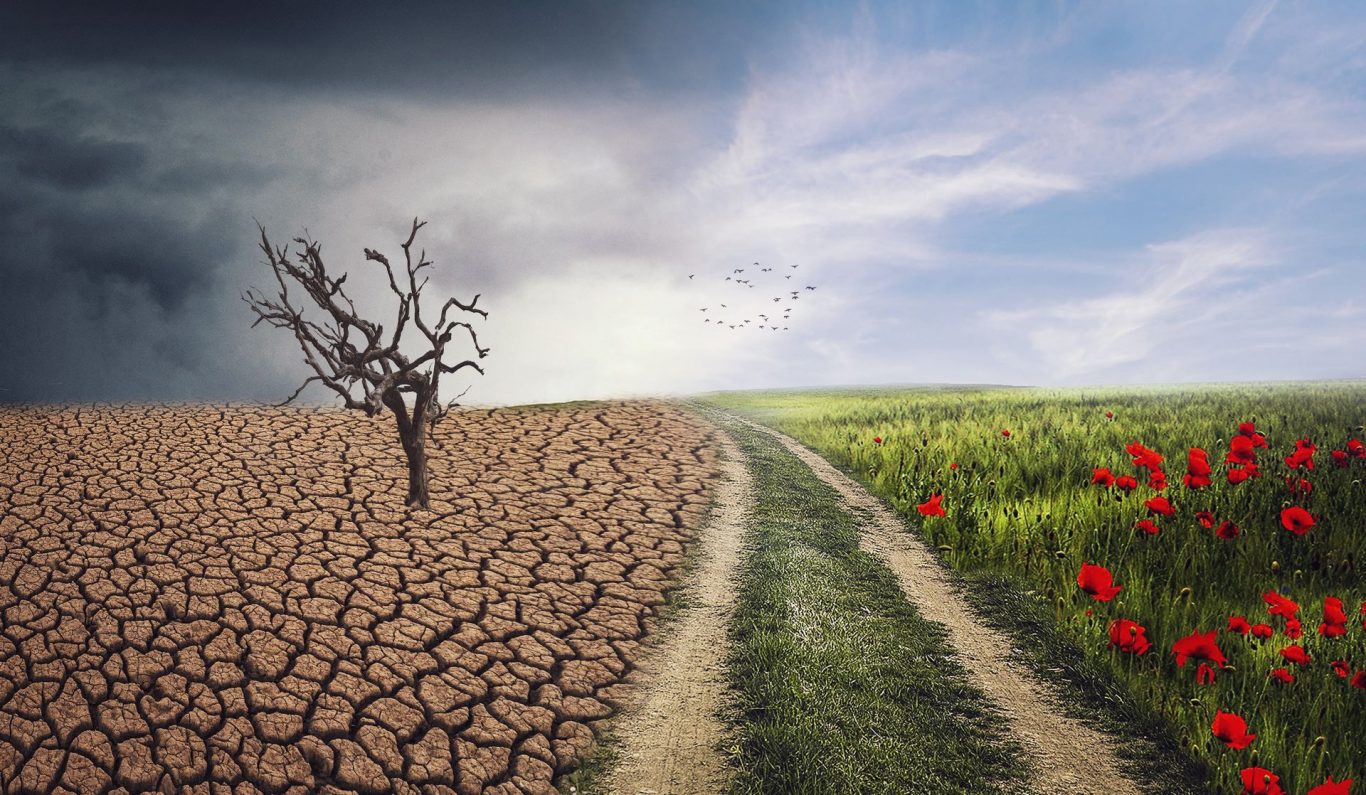 Image Credit: Enrique
Addressing climate change and protecting biodiversity are two major challenges and hotspots in the world today, crucial for sustainable development. Therefore, it is of great significance to explore the impact of climate change on biodiversity.
British scientists believe that if climate warming reaches a certain level, it is possible to predict how certain animal populations will evolve. However, at the same time, we need to investigate both the long-term climate changes caused by the greenhouse effect and the short-term impacts of extreme heat and extreme environmental events on species' survival.
Climate change caused by the greenhouse effect typically occurs on relatively long time scales, while the biological world requires a longer time for adaptation. In the current context of human-induced accelerated climate change, some species may not be able to adapt at the same pace and face the risk of extinction.
By studying various factors that influence climate change and existing climate change data, scientists have put forward an important understanding: if global warming can be kept within 2°C, even with continued emissions of greenhouse gases, it is expected to reduce the extinction of more than 70% of species.
Regarding short-term warming events in the ocean, a recent study was published in the journal Nature Communications. Researchers modeled the impact of four recent extreme heatwaves in the northeast Pacific on the distribution of top predators such as sharks, whales, seals, and sea turtles. They found that these predators' responses to ocean heatwaves varied, which may help develop tools to predict the distribution of marine predators in real-time.
Generally speaking, ecosystems with richer biodiversity have stronger self-recovery capabilities when facing climate change. An article recently published in Nature Ecology & Evolution revealed a significant negative correlation between species occupancy and diversity and warmer, less vegetated cities. For example, the city of Sanford in Florida, USA, has more green vegetation compared to climate-similar cities, and it has a more diverse mammal community compared to Phoenix, Arizona, which has less vegetation.
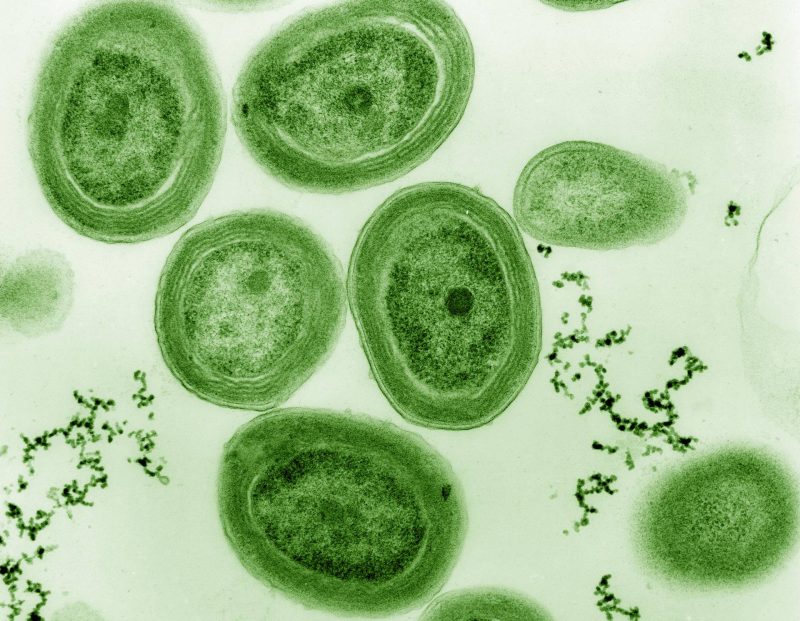
A recent study conducted by Lund University in Sweden, published in the journal Applied and Environmental Microbiology, shows that microorganisms can adapt to temperature changes and have the ability to mitigate global warming by storing carbon in the soil. Moreover, microbial growth is more sensitive to temperature changes, and these temperature sensitivities are crucial for predicting future carbon losses and storage, as well as understanding how soils are affected by climate warming.
Therefore, in order to address the dual crisis of climate change and biodiversity loss, it is essential to consider addressing climate change and protecting biodiversity as complementary goals and achieve their synergistic progress. As long as countries around the world work together and actively implement green environmental protection measures, emission reduction, and carbon sequestration strategies, while simultaneously protecting biodiversity to adapt to climate change, it is possible for humanity to reduce the greater threats posed by climate warming.
Climate Change and Biodiversity: Controlling Global Warming for Species Survival
Tags
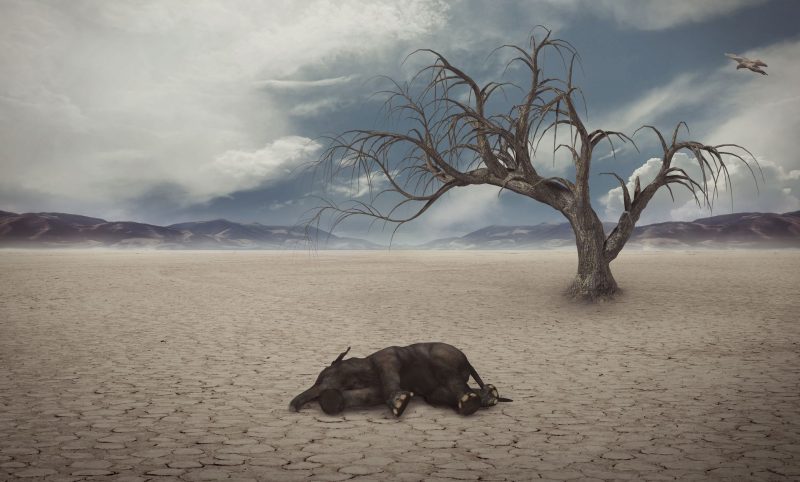
The Sahara Desert, one of the driest places on Earth with an average annual rainfall of just about three inches, may experience a striking transformation later this century. A new study…
A new study led by the University of Exeter warns that the world has crossed its first recognized climate "tipping point", as coral reef ecosystems enter a state of widespread…
A new study led by the University of Reading challenges long-held assumptions about primate origins. For decades, scientists believed primates, including humans, emerged from warm, humid tropical forests. However, reanalysis…
A research team from The Hong Kong Polytechnic University has, for the first time, used Satellite Laser Ranging (SLR) technology to generate precise global records of ocean mass changes spanning…

Artificial intelligence (AI) is increasingly helping scientists decode how animals communicate and explore the possibility of dialogue across species. Recent studies show that species such as bonobos, chimpanzees, Japanese tits,…

Prochlorococcus, the most abundant microbe in the oceans, is facing a survival crisis due to global warming. This single-celled cyanobacterium, found across more than 75% of the ocean's surface waters,…