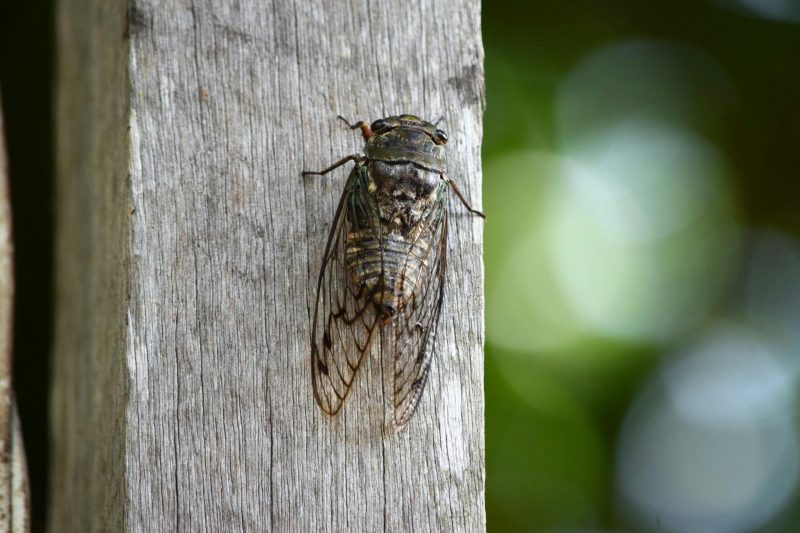
Cicada wings possess a little-known superpower: the ability to kill bacteria. Researchers have now revealed the underlying mechanism for the first time, a discovery that could pave the way for innovative solutions to combat pollution and prevent the spread of infections.
The surface of cicada wings is covered with microscopic "nanopillars", visible only under an electron microscope. At the Society for Integrative and Comparative Biology's annual meeting, a research team from the University of Illinois reported that when microorganisms land on these nanopillars, the structures bend under the bacteria's weight and puncture their cell membranes, causing the pathogens to die. A biomechanics expert suggested that if medical device manufacturers could replicate this structure, it could revolutionize infection control in healthcare settings.
The origins of this discovery date back about 15 years, when Australian researchers found that cicada wings could kill bacteria, though the exact mechanism remained unclear. To uncover the process, the University of Illinois team created replicas of cicada wings by etching varying depths of holes into aluminum surfaces and coating them with polystyrene to mimic the nanopillar structure.
Their experiments revealed that when the nanopillars bent under the weight of bacteria, their tips pierced the microbial membranes. Using fluorescent markers, the researchers tracked bacterial death. Results showed that within three hours, shorter nanopillars killed 98% of bacteria, comparable to the effectiveness of bleach, while longer nanopillars killed 89%.
This groundbreaking research offers a promising path toward developing antibacterial surfaces that could transform infection prevention in both medical and environmental applications.
Cicada Wings Inspire a Breakthrough in Antibacterial Technology
Tags
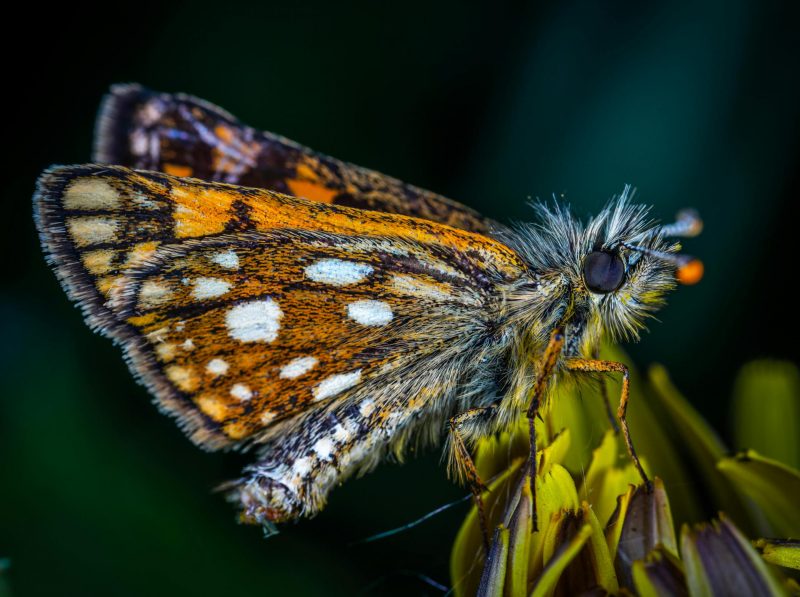
To evade predators, some butterflies have evolved intricate “false head” structures on their wings—patterns and markings that mimic the appearance of a head to mislead attackers. A study by the…
For decades, scientists believed leprosy was a disease of the Old World, introduced to the Americas around 500 years ago by European colonizers and African slaves. The disease was traditionally…

Engineered Nasal Bacteria Deliver Appetite-Suppressing Hormones, Reducing Weight in Obese Mice
Researchers have recently reported in Cell that they successfully used nasal bacteria to deliver appetite-suppressing hormones to obese mice, leading to weight loss. Although this approach is still a long…
Most of our time is spent indoors, where the air we breathe in offices, schools, or homes can significantly impact our overall health. However, most air purification systems are expensive…

The Comamonadaceae bacteria coexist within urban waterways and sewage systems. These prevalent environmental microorganisms have been found to exhibit a remarkable capability: consuming plastic as a food source. Recent research conducted…