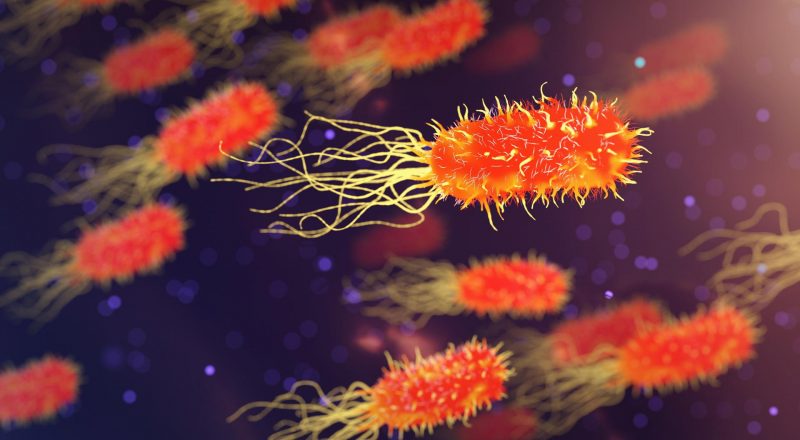
The Comamonadaceae bacteria coexist within urban waterways and sewage systems. These prevalent environmental microorganisms have been found to exhibit a remarkable capability: consuming plastic as a food source.
Recent research conducted by Northwestern University in the United States has unveiled this intriguing behavior.Initially, these bacteria chew plastic into nano-sized fragments, subsequently secreting specialized enzymes to further break down the material. Researchers have additionally noted that the bacteria derive sustenance from the carbon atomic rings present in the plastic.
Published in the journal Environmental Science & Technology, this study sheds light on how bacteria in wastewater can assimilate plastic, metabolizing it as a carbon source, with a pivotal enzyme identified in the process of breaking down plastic materials.
This discovery paves the way for potential engineering solutions based on bacteria, offering hope in the realm of tackling recalcitrant plastic waste that contaminates drinking water sources and poses a threat to wildlife.
Tags
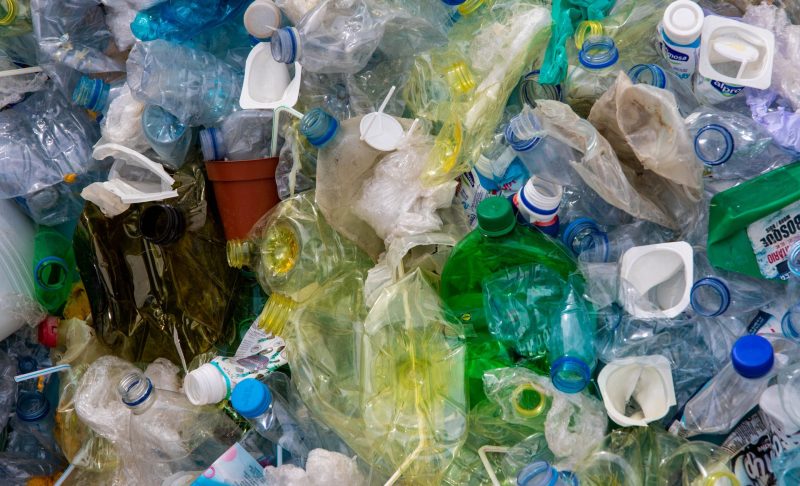
Climate change and plastic pollution are two of the most pressing environmental challenges facing humanity. A research team at the University of Copenhagen has developed a breakthrough material, BAETA, that…

For decades, scientists believed leprosy was a disease of the Old World, introduced to the Americas around 500 years ago by European colonizers and African slaves. The disease was traditionally…

Researchers at Brunel University London have discovered that Pseudomonas aeruginosa, a common hospital pathogen, can degrade polycaprolactone (PCL), a biodegradable plastic widely used in medical devices such as sutures, implants,…
Plastic is ubiquitous in everyday life, and new research suggests that chewing gum may be an overlooked source of microplastic exposure. A preliminary study conducted by researchers at the University…

Engineered Nasal Bacteria Deliver Appetite-Suppressing Hormones, Reducing Weight in Obese Mice
Researchers have recently reported in Cell that they successfully used nasal bacteria to deliver appetite-suppressing hormones to obese mice, leading to weight loss. Although this approach is still a long…
Cicada wings possess a little-known superpower: the ability to kill bacteria. Researchers have now revealed the underlying mechanism for the first time, a discovery that could pave the way for…