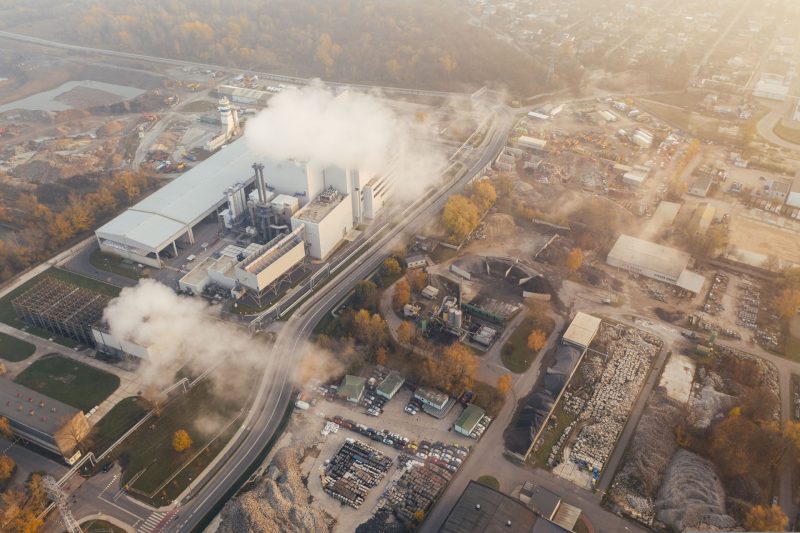
Many countries have embraced the use of burning wood pellets for electricity generation, deeming it carbon-neutral. However, studies indicate that this method not only increases greenhouse gas emissions but also jeopardizes the health of local community residents.
In 2009, the European Commission introduced the Renewable Energy Directive, initiating a strong push for the development of biomass energy. This directive laid out a legal framework for all economic sectors in the EU to develop renewable energy, later known as the 20-20-20 climate and energy package, with three targets to be achieved by 2020.
As part of this package, the EU set standards to reduce carbon emissions by using more biofuels. Since then, EU countries have provided substantial subsidies to the wood pellet industry, totaling billions of euros over the past few years.
Support for wood biomass is based on the idea that the carbon emitted by burning biomass will be absorbed by regenerating vegetation, thereby replacing the trees consumed by the industry. However, over the past decade, an increasing number of scientists have questioned this assumption.
A research group at the MIT Sloan School of Management conducted a lifecycle analysis of using wood instead of coal for electricity generation. The results indicate that this substitution could exacerbate climate change, potentially lasting until 2100. The primary reason is that it takes several decades for trees to regrow on harvested land and absorb enough carbon dioxide from the atmosphere.
Researchers calculated that it would take 44 to 104 years for new trees to absorb an equivalent amount of carbon dioxide produced by wood biomass energy replacing coal. While some argue that wood biomass energy helps combat global warming, the researchers' conclusion is negative, stating that it actually worsens climate change.
Beyond climate concerns, some researchers also warn that the wood pellet industry harms forests and accelerates deforestation.
Burning Wood Pellets: A Hidden Threat to Climate and Health
Tags
The Sahara Desert, one of the driest places on Earth with an average annual rainfall of just about three inches, may experience a striking transformation later this century. A new study…

A new study led by the University of Exeter warns that the world has crossed its first recognized climate "tipping point", as coral reef ecosystems enter a state of widespread…

When earthquakes strike, the ground shaking people feel accounts for only a small fraction of the total energy released. Researchers at the Massachusetts Institute of Technology (MIT) have now shown…

A new study led by the University of Reading challenges long-held assumptions about primate origins. For decades, scientists believed primates, including humans, emerged from warm, humid tropical forests. However, reanalysis…

A research team from The Hong Kong Polytechnic University has, for the first time, used Satellite Laser Ranging (SLR) technology to generate precise global records of ocean mass changes spanning…

A groundbreaking study published in Nature Materials suggests that the combination of salt, ice, and mechanical strain could become a key to future renewable energy. Researchers have demonstrated that specially…